
Last updated November 24, 2026
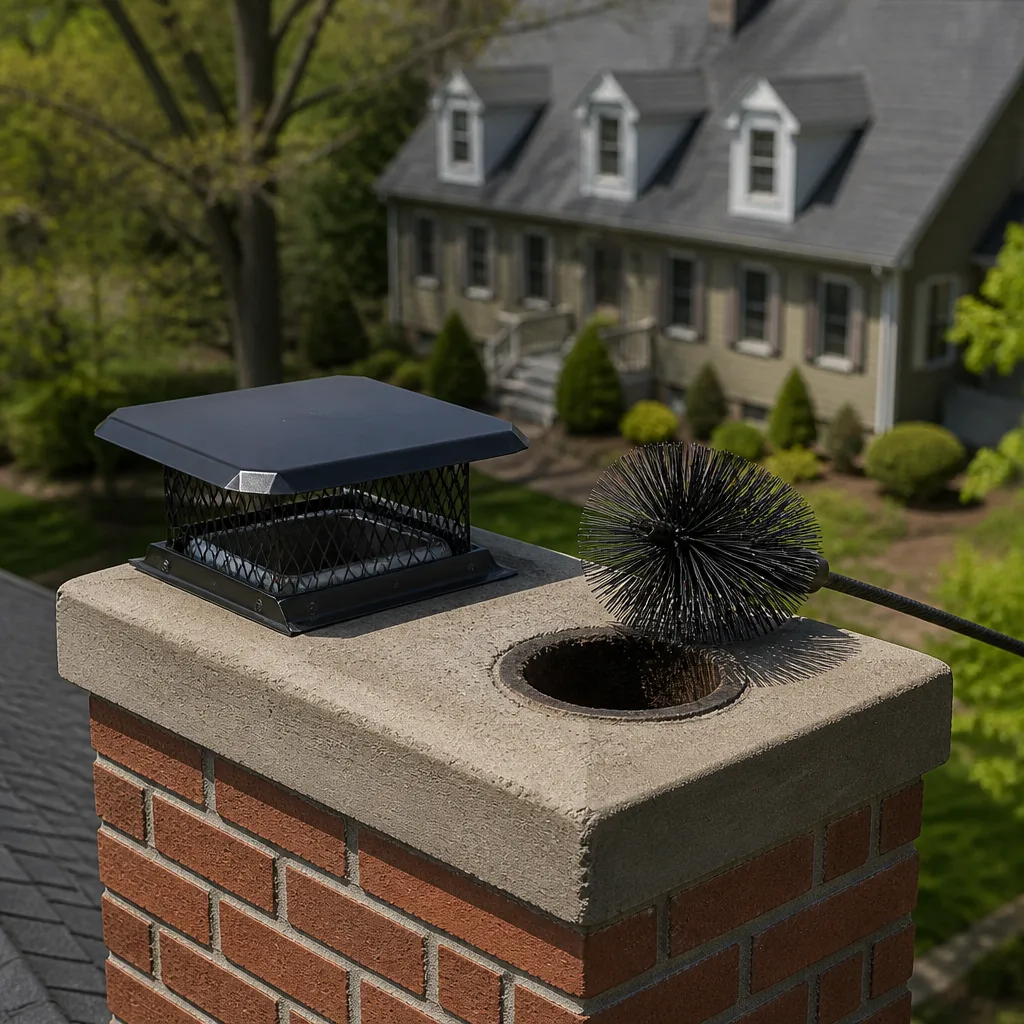 Sweep & inspection
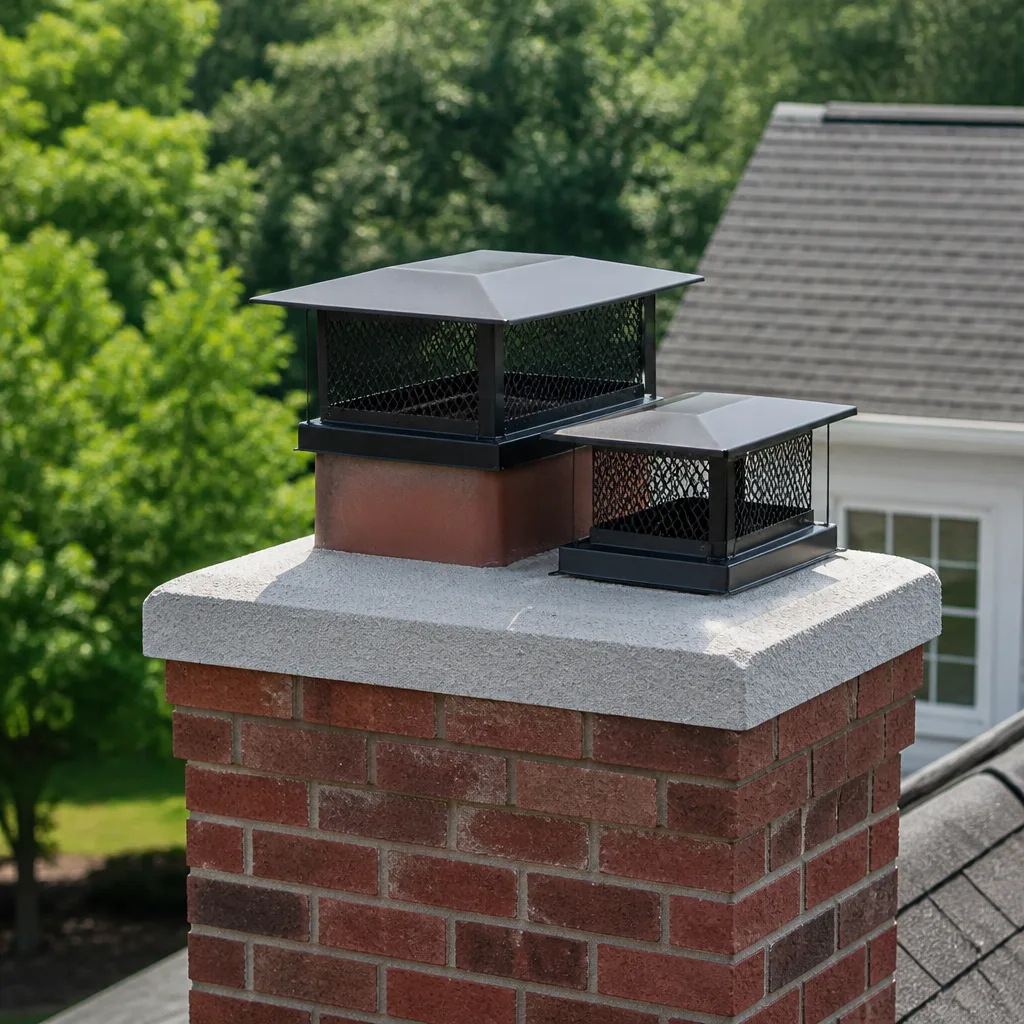 Caps & crowns
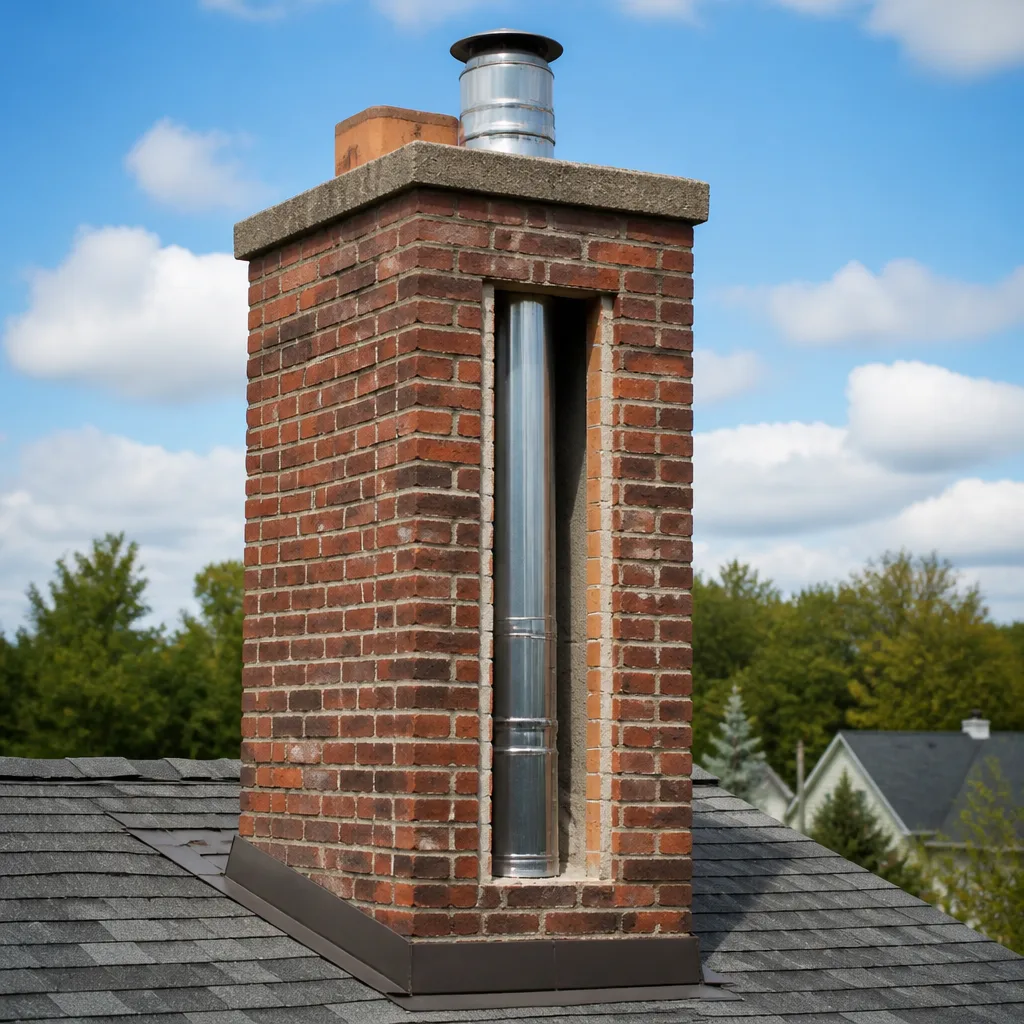 Flue relining
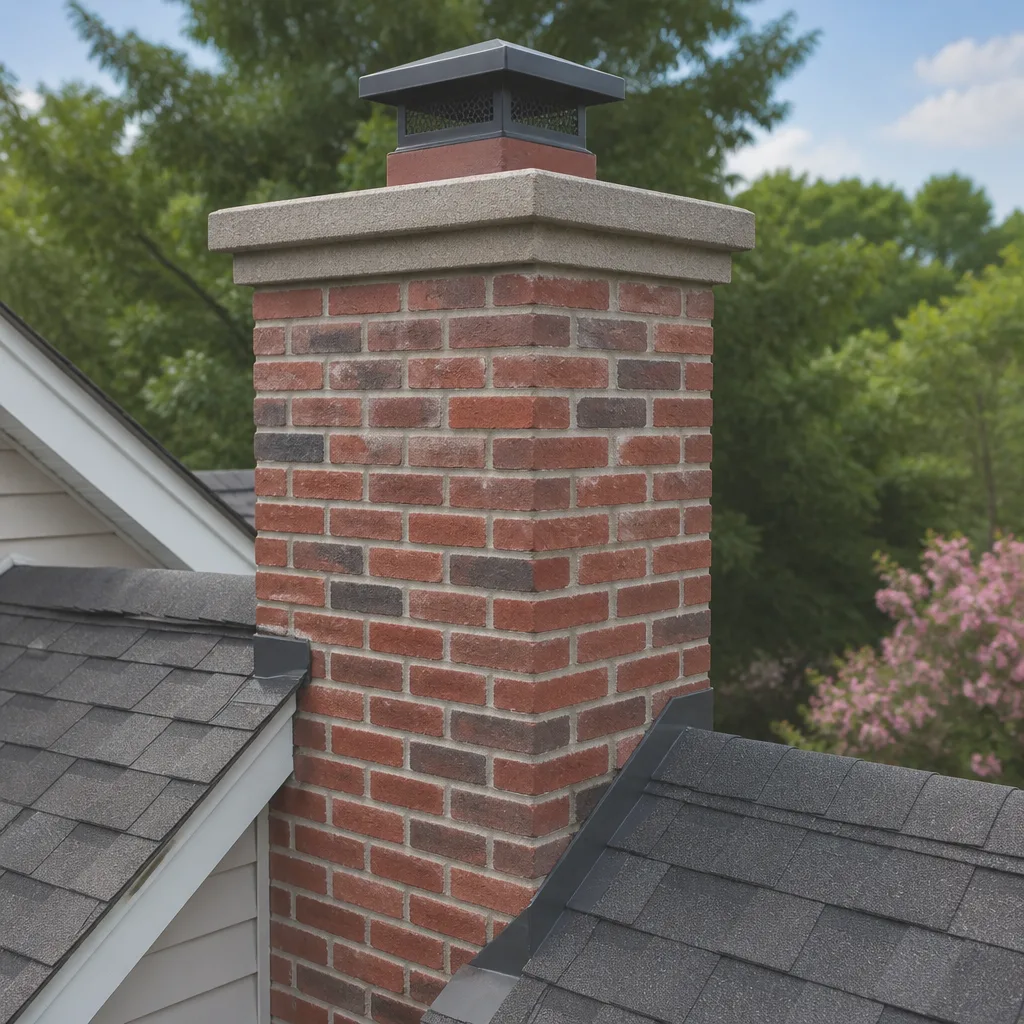 Masonry repair
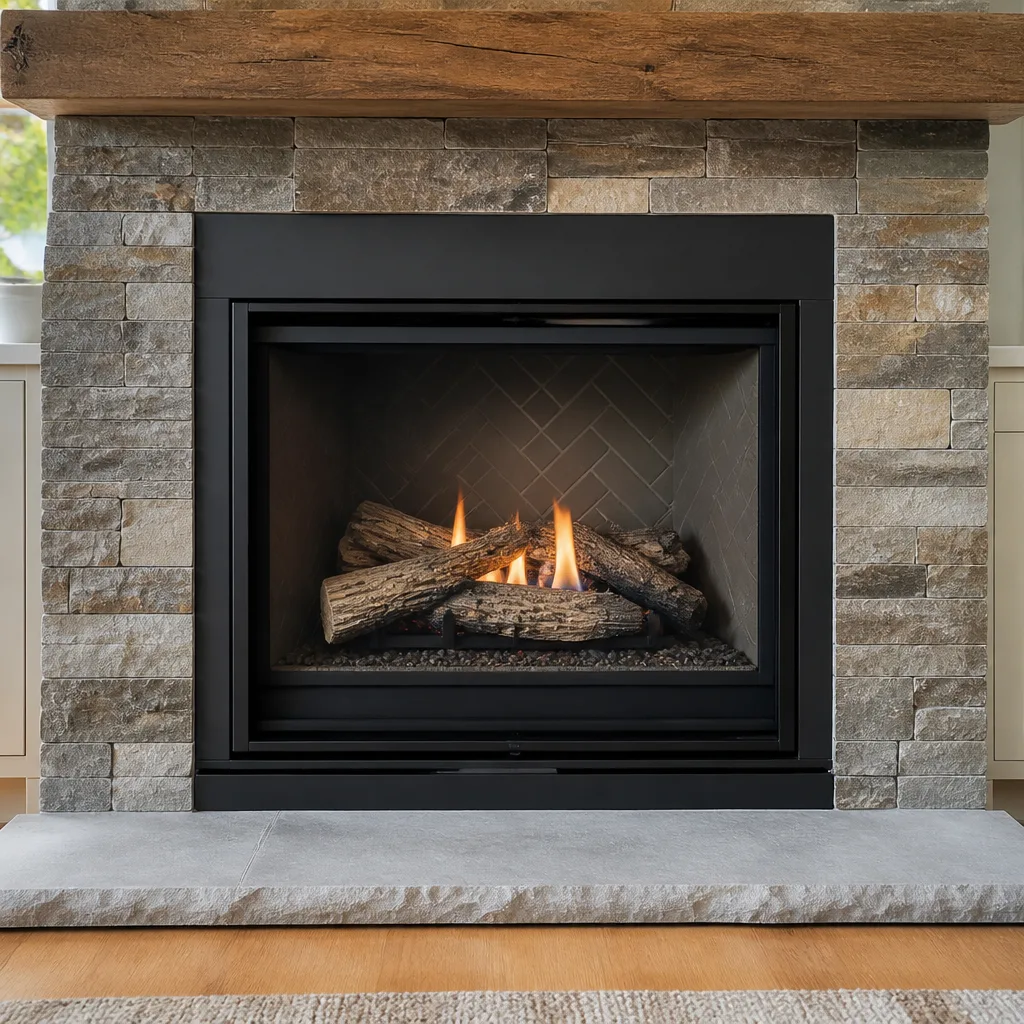 Gas fireplace service
Level 1 sweep and inspection to the NFPA 211 annual standard - flue, crown, cap, and flashing checked and photographed
Chimney sweep logs do not sweep chimneys. They loosen some creosote - which then falls where a brush and vacuum still have to collect it.
Chimney Cleaning Emergency Preparedness Guide for Northwood Homes
Chimney fires in California peak in November and December, and the reason isn’t mysterious. Homeowners light the first fire of the season in a system that hasn’t been inspected since the previous winter, and the creosote left behind from last year’s fires does exactly what creosote does when it meets a fresh flame. The first cold snap of the year is when a year of deferred maintenance turns into a 911 call. This guide is written to interrupt that cycle before it reaches the emergency stage. You’ll learn how to recognize a chimney fire while it’s happening, what to do in the hours after one, why relighting afterward is never acceptable, and how to build a documentation file that makes insurance and repair work go faster in Northwood.
Quick Answer
Most chimney emergencies in Northwood are the predictable result of a neglected system meeting its first fire of the season. Prevent them by booking an inspection and sweep before the first cold night, keeping creosote from building up, and never relighting a fireplace after any fire event until a professional has inspected the flue. If a chimney fire does happen, call 911, evacuate, and treat the chimney as unusable until a Level 2 inspection clears it.
Styles & brands we work with
- Sweep & inspection
- Caps & crowns
- Flue relining
- Masonry repair
- Gas fireplace service
Table of Contents
- Why the First Fire of the Season Is the Riskiest
- How to Recognize a Chimney Fire While It’s Happening
- The Correct Immediate Response Before Help Arrives
- What to Do After a Chimney Fire (and What Never To Do)
- The Post-Emergency Inspection Sequence
- Building Your Chimney Emergency File
- Pre-Season Preparation for Northwood Homes
- Signs You Need Help Before It’s an Emergency
Why the First Fire of the Season Is the Riskiest
The first fire of the year does more damage than any other fire you’ll light, and it isn’t because the fire itself is bigger. It’s because the chimney has been sitting unused for months, accumulating the conditions that a fire ignites. Creosote that built up through the previous winter has had all summer to harden. The flue has had months to collect debris, bird nesting material, or a cracked liner that wasn’t there in the spring. And the homeowner, who hasn’t thought about the chimney since March, lights a fire without checking any of it.
In Northwood, the fire season typically starts when the first genuinely cold evening arrives, which most years means late November or early December. That timing lines up exactly with the statewide peak for chimney fires, and it’s not a coincidence. The sequence is predictable: the weather cools, the fireplace gets its first use, and a year of accumulated creosote meets an ignition source. Here’s what makes the first fire different from every fire that follows:
- Creosote has fully cured. Fresh creosote is sticky and somewhat forgiving. After a summer of sitting, it hardens into a glassy, highly flammable coating that ignites at lower temperatures.
- The flue is at its dirtiest. Creosote and soot from last season are still in place, because the chimney likely hasn’t been swept since.
- Obstructions go unnoticed. A bird nest, leaf litter, or a collapsed liner section can block the flue without any obvious sign from the firebox.
- Nobody has looked. The most common cause of a first-fire emergency is a chimney that hasn’t been inspected since the previous winter.
Chimney Sweep Northwood sees this pattern repeat across the neighborhoods here, and it’s the reason a pre-season chimney sweep matters more than a mid-season one. Cleaning a chimney in summer or early fall removes the fuel load before it has a chance to burn. Cleaning it after the first fire of the year is often cleaning up after an emergency that could have been prevented.
How to Recognize a Chimney Fire While It’s Happening
A chimney fire doesn’t always look like a fire. Slow-burning chimney fires can burn for a long time with almost no visible sign from outside, while fast-burning fires send flames and sparks out of the top of the chimney. The problem is that most people have never seen either one, so they don’t know what to look for. The sounds and smells are often the first signal, not the flames.
Chimney fires are loud. That’s the detail most homeowners miss. Here’s what to watch and listen for:
Sounds
- A loud roaring or rumbling that sounds like a freight train or a low-flying plane
- Popping, crackling, or tapping noises that are much louder than normal fireplace sounds
- A deep whooshing sound that continues after the damper is closed
Smells
- A hot, acrid, almost chemical smell that’s stronger than normal wood smoke
- Smoke odor inside the home when there’s no visible smoke coming from the fireplace
- A burning-plastic or burning-rubber smell that suggests the fire has reached the chimney structure
Visual cues
- Flames or sparks shooting from the top of the chimney
- Dense, dark smoke pouring from the chimney for more than a few minutes
- Glowing or discoloration on the chimney exterior or the roof near the chimney
- Creosote flakes or pieces of debris landing on the roof or ground
- Visible smoke inside the room that isn’t coming from the firebox opening
If any of these signs are present, treat it as a chimney fire even if you aren’t certain. A false alarm is a minor inconvenience. Ignoring a real chimney fire can mean structural damage to the chimney or the house. We’ve seen slow-burning fires that smoldered for half an hour without visible flames from outside, and the homeowner assumed the fire had already gone out. It hadn’t.
The Correct Immediate Response Before Help Arrives
If you suspect a chimney fire, the correct immediate response is to get everyone out of the house and call 911. Everything else is secondary. The fire department needs to be on the way before you attempt any other action, because a chimney fire can spread to the roof structure in less than an hour if the chimney is compromised. Do not try to fight the fire yourself.
Once the call is made and everyone is outside, here’s the correct sequence:
- Get everyone out first. Adults, children, and pets. Move to a safe distance from the house and stay there.
- Call 911. Tell the dispatcher you suspect a chimney fire, give the address, and describe what you’ve seen or heard.
- Close the fireplace doors or damper if it’s safe and immediate. Cutting off the air supply can slow a fast-burning fire. If it takes more than a few seconds to reach, don’t delay your exit for it.
- Do not spray water into the fireplace. Water on a very hot flue can crack a clay liner or damage a metal one, and it can cause a steam explosion in an enclosed firebox.
- Do not climb onto the roof. A fire-damaged chimney can collapse, and the roof may be slick or hot.
- Wait for the fire department. Even if the fire appears to be out, do not re-enter the house until they’ve cleared it.
One thing people often get wrong: closing the damper all the way during an active chimney fire can force smoke and fire gases back into the room if there’s a blockage. If you aren’t sure whether the flue is clear, leave the damper alone and concentrate on getting people out. In Northwood, where many homes have older masonry chimneys with clay tile liners, the risk of a liner cracking under heat stress is real. That’s another reason to prioritize evacuation over attempting to manage the fire.
What to Do After a Chimney Fire (and What Never To Do)
After a chimney fire, the fireplace is unusable until a professional inspects it. This is absolute. It doesn’t matter how minor the fire seemed, how quickly the fire department cleared the scene, or whether the fire ever broke visibly out of the chimney top. A fire that appeared to burn out on its own can leave a cracked liner, warped metal components, or a partially blocked flue that poses a serious risk the moment you relight. Relighting is never acceptable until the chimney has been checked.
The reason is that fire damage inside a flue often isn’t visible from the firebox or the outside of the chimney. A clay tile liner can crack along its length without any visible external sign. A metal liner can distort or separate at the seams. Creosote that didn’t fully burn can re-ignite hours later, and a partially obstructed flue can push carbon monoxide back into the home rather than up and out. Each of these is a genuine hazard, and none of them can be verified by looking at the fireplace from where you’re sitting.
Here’s what to do in the hours and days after a fire event:
- Photograph everything. The firebox, the damper, the exterior of the chimney, the roof around it, and any smoke damage inside the room. Timestamped photos go a long way with an insurance adjuster.
- Write down what you saw and heard. When the fire started, what you noticed first, how long it lasted, and when the fire department arrived.
- Keep the fire department report. Ask for a copy at the scene or request one afterward. It’s a standard part of the insurance file.
- Schedule a Level 2 inspection with a qualified chimney professional. Not a cleaning. A Level 2 inspection. The two aren’t the same, and the difference matters for both safety and insurance.
- Do not relight until you have a written clearance. That means a document from a professional stating the flue has been inspected and is safe to use, or a list of what’s required before it will be.
If your fireplace needs repairs after a fire, our fireplace repair team handles the work along with the flue, so you aren’t coordinating between two contractors who each want the other to go first. We also use DuraFlex liners and Olympia Chimney components when the flue needs relining, so the replacement is professional-grade rather than a generic substitute. A fire event is exactly the wrong time to discover that your contractor is using off-brand parts.
The Post-Emergency Inspection Sequence
After a chimney fire, the inspection isn’t the standard annual cleaning. It’s a Level 2 inspection, and the difference matters. A basic cleaning removes creosote and soot, and a Level 1 inspection is a visual check of the accessible portions of the chimney during that cleaning. A Level 2 inspection goes deeper. It’s the inspection you need after a fire event, and it’s what many insurance companies require before they’ll process a chimney fire claim.
A Level 2 inspection typically includes:
- Visual inspection of the entire flue using a specialized chimney camera
- Inspection of all accessible portions of the chimney, including the attic and crawl spaces where the chimney passes through
- Inspection of the chimney exterior, including the crown, the cap, and the flashing where the chimney meets the roof
- Inspection of the firebox, damper, and smoke chamber
- Verification of clearances from combustibles
- A written report documenting conditions and any recommended repairs
The inspection is the step that tells you what the fire actually did. A fast-burning fire can leave the firebox intact and crack the liner. A slow-burning fire can leave an almost clean flue and warp the damper. Without a camera running the length of the flue, you’re guessing. We include the camera inspection and photo report with the sweep, so you see what we see rather than taking a verbal description on faith. That matters most after a fire event, because you need to know not just whether the chimney is safe, but exactly what the repair scope is before you file an insurance claim or approve work.
If the inspection reveals a compromised flue, HeatShield resurfacing is one option we use for liner repair in cases where the flue is damaged but structurally intact. HeatShield is a resurfacing system for compromised flue liners and requires specialized training to apply correctly, which is why it isn’t a service most basic sweep companies offer. For more extensive damage, a full relining with DuraFlex may be the right answer. Either way, the inspection comes first and drives the decision.
Building Your Chimney Emergency File
The single most useful thing you can do after a chimney emergency – and the thing almost nobody has ready – is a documentation file that lets you answer every question an insurance adjuster or a repair contractor will ask. When you’re standing on the sidewalk at 9 p.m. watching the fire department check your roof, you don’t want to be hunting for a receipt from last year’s sweep. You want to hand the adjuster a folder.
Here’s what goes in the file:
- Service records. Every sweep, inspection, and repair, with the date and the name of the company that performed it. A history of regular maintenance strengthens an insurance claim because it shows the loss wasn’t the result of neglect.
- Product documentation. Manufacturer paperwork for the fireplace insert, the liner, the cap, and the damper. If any of this was installed by a previous owner, ask for it at the home inspection or contact the manufacturer with the model number.
- Inspection reports. The most recent Level 1 or Level 2 report, including the photo documentation and the recommendations made at the time. If a previous inspection flagged a repair you deferred, that’s still valuable context – the file should show what was known and when.
- Photos and video. Interior and exterior shots of the chimney and fireplace, updated every couple of years. Before-and-after photos after any repair are also useful.
- Insurance policy details. The homeowner’s policy number, the claims phone number, and a note about whether chimney fires are covered and what the deductible is. Have this written down, not saved on a phone that might be in the house.
- Contacts. The chimney company you use, the fire department non-emergency line, and a copy of your most recent estimate for any outstanding work.
Store the physical file somewhere outside the house – a fireproof safe in a detached garage isn’t good enough if the garage shares a wall. Keep a scanned copy in cloud storage. When something goes wrong with a Northwood chimney, the file is what turns a stressful claim into a straightforward one.
Pre-Season Preparation for Northwood Homes
The best chimney emergency is the one that never happens, and in Northwood the window to prevent it is the few weeks before the first cold night. Winter here is mild enough that many homeowners don’t think about the chimney until the evening they want a fire, and by then it’s too late to do the maintenance that would have made that first fire safe. The work has to happen before the fireplace is needed, not after.
Here’s the pre-season sequence we recommend, in order:
- Book the inspection and sweep first. This is the foundation. A certified inspection tells you whether the chimney is safe to use at all, and a sweep removes the creosote before it can burn. Do this before the first fire, not after.
- Check the cap and crown. A missing or damaged cap lets birds, squirrels, rain, and debris into the flue. A cracked crown lets water into the masonry, which shows up as a much bigger repair later. A chimney cap & crown inspection is worth doing alongside the sweep, because cap damage is one of the most common causes of a blocked flue at the start of the season.
- Confirm the damper operates smoothly. A damper that sticks closed will smoke the room, and one that sticks open wastes heat. Both are easy to fix if you catch them before the fire is lit.
- Look at the firebox and firebrick. Cracked firebrick, deteriorated mortar joints, or a damaged firebox liner aren’t things to discover mid-fire. If the firebox needs work, it’s a repair job, not a sweep, and it should be scheduled before the season starts.
- Stock dry, seasoned firewood. Wet wood creates more creosote than dry wood because it spends the first part of the fire evaporating moisture instead of burning cleanly. Seasoned wood, split and stacked so air can move through it, reduces creosote buildup at the source.
- Review your emergency file. Make sure the documents from the last section are current. If your most recent inspection report is more than a year old, add a new one.
That’s the whole cycle: inspect, clean, repair, protect. Do it before the first cold evening in Northwood and the first fire of the year is a controlled, safe event. Skip it and the first fire is the moment the whole season’s creosote load meets a flame.
Signs You Need Help Before It’s an Emergency
A chimney that’s heading toward a fire often gives warning signs first, and most of them are easy to miss if you don’t know what you’re looking at. The difference between a routine service call and an emergency call is usually whether the homeowner acted on one of these signals early. Here’s what to watch for:
- Smoke rolling back into the room. A fireplace that smoked once and now smokes regularly has a pressure, obstruction, or damper problem that’s getting worse.
- A strong, persistent creosote smell. Especially in warm weather, when the flue is warm, a heavy creosote odor means there’s a substantial buildup waiting to ignite.
- Visible creosote buildup. If you can see more than a thin glaze inside the firebox or at the top of the flue, it’s time for a sweep.
- Chimney stains or discoloration. White staining on the exterior brick can mean water intrusion; black staining can mean the flue is venting poorly.
- Flakes of creosote on the roof. Pieces falling from the chimney cap mean the lining is breaking down.
- A damper that won’t open or close smoothly. Warping or a stuck damper is a sign the chimney has been overheated at some point.
Any one of these is a reason to book an inspection, not a reason to wait until the fireplace is needed. In Northwood, the homes we service range from older masonry chimneys to newer inserts with factory-built flues, and the warning signs are similar across both. What changes is the repair: masonry chimneys often need resurfacing or tuckpointing, while inserts may need a liner replacement. Either way, the cost of a repair is a fraction of the cost of a fire.
Common Mistakes to Avoid
- Lighting the first fire without an inspection. The first fire of the year is the one your chimney is least ready for. Inspect first, light second, every season.
- Assuming a chimney fire that “went out” is over. Relighting after a fire event without an inspection is the most dangerous mistake on this list. The fire may have left a cracked liner or a warped damper that you can’t see.
- Burning unseasoned wood to save money. Wet wood creates more creosote than dry wood, which means a faster buildup and a higher fire risk by the end of the season. Seasoned wood costs more up front and less over the year.
- Skipping the cap because it looks fine from the ground. Caps and crowns fail in ways that aren’t visible from the yard. A cap missing from the top of a Northwood chimney is an open door for nesting material and rain.
- Treating a sweep and an inspection as the same thing. A cleaning removes what’s in the flue. An inspection tells you what condition the flue is in. After a fire, you need the second one, which is a Level 2 inspection.
- Filing an insurance claim without documentation. Adjusters process claims faster when there’s a service history and photo record. An emergency file is what makes that possible.
- Putting off a needed reline to save on cost. A compromised flue is a hazard to the structure and to the people inside. A liner is a repair; a fire is a loss.
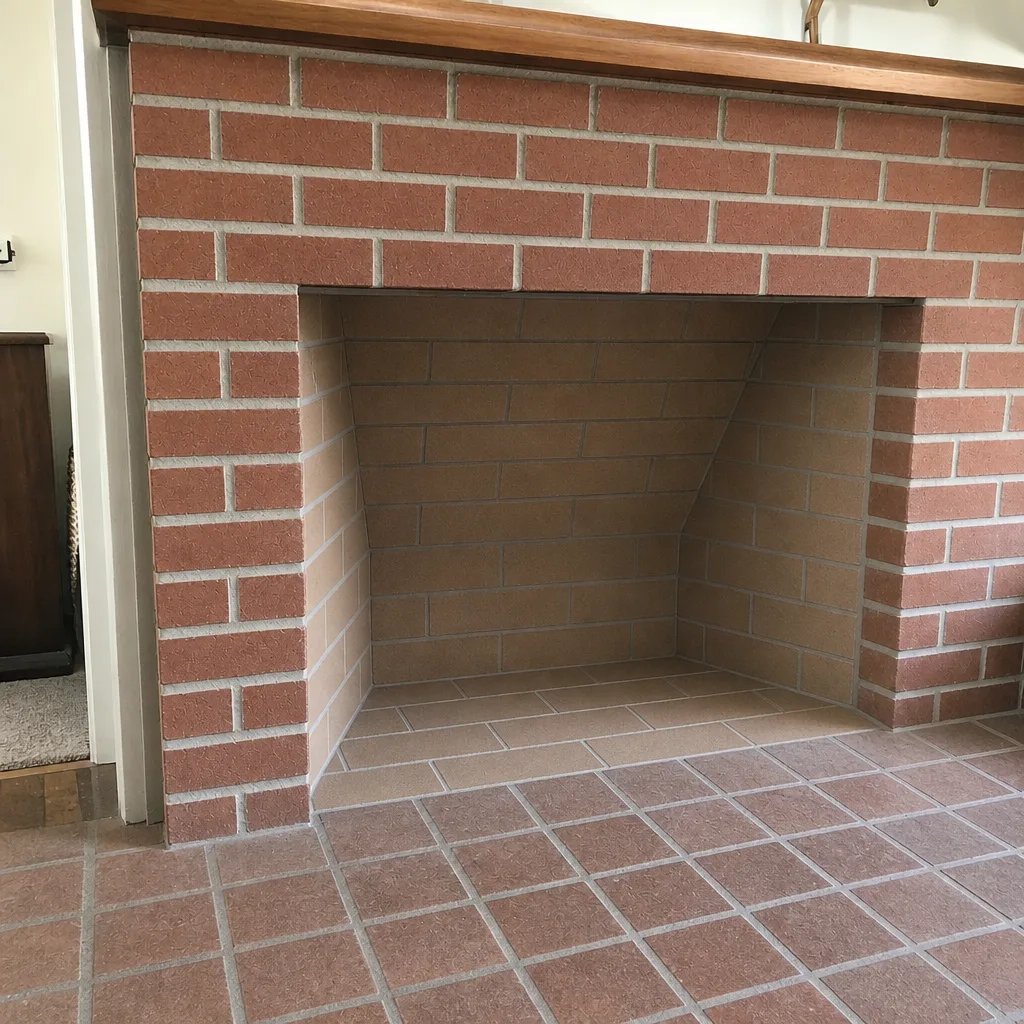
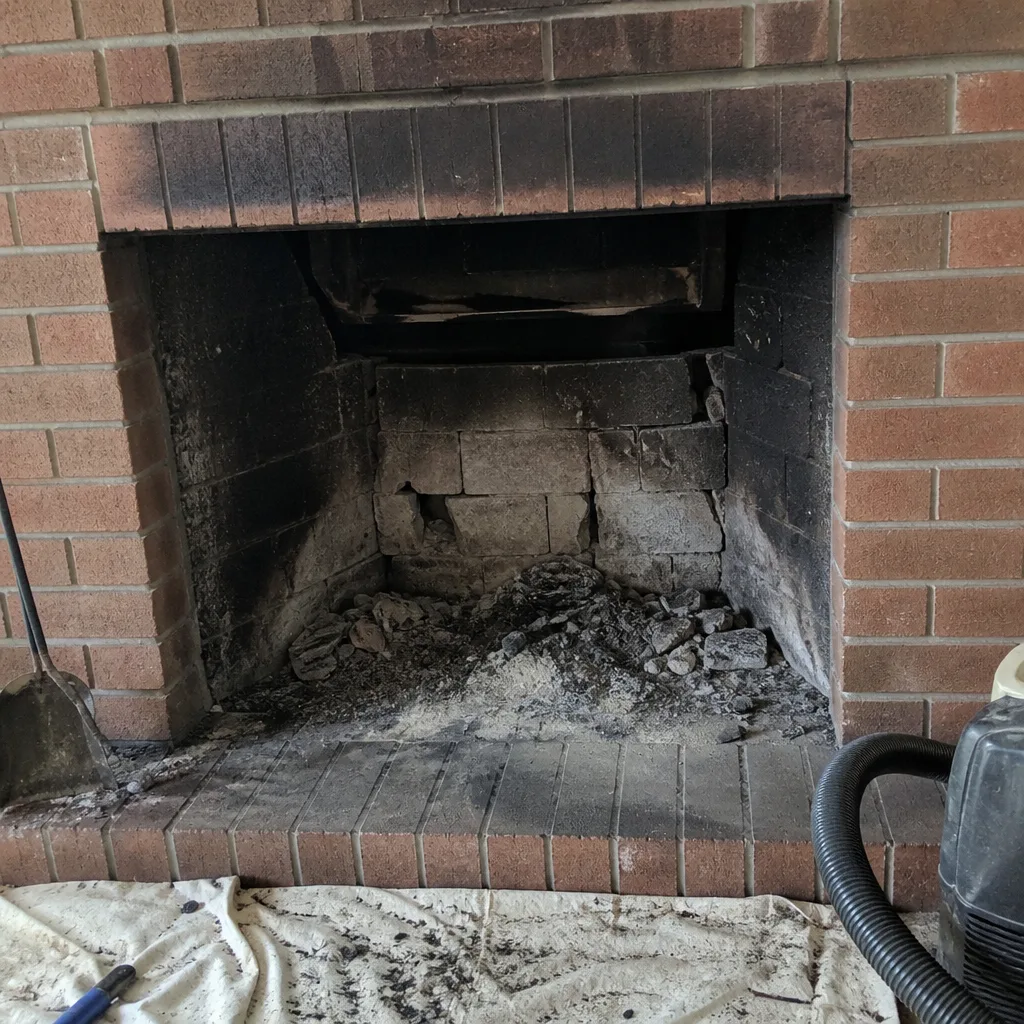
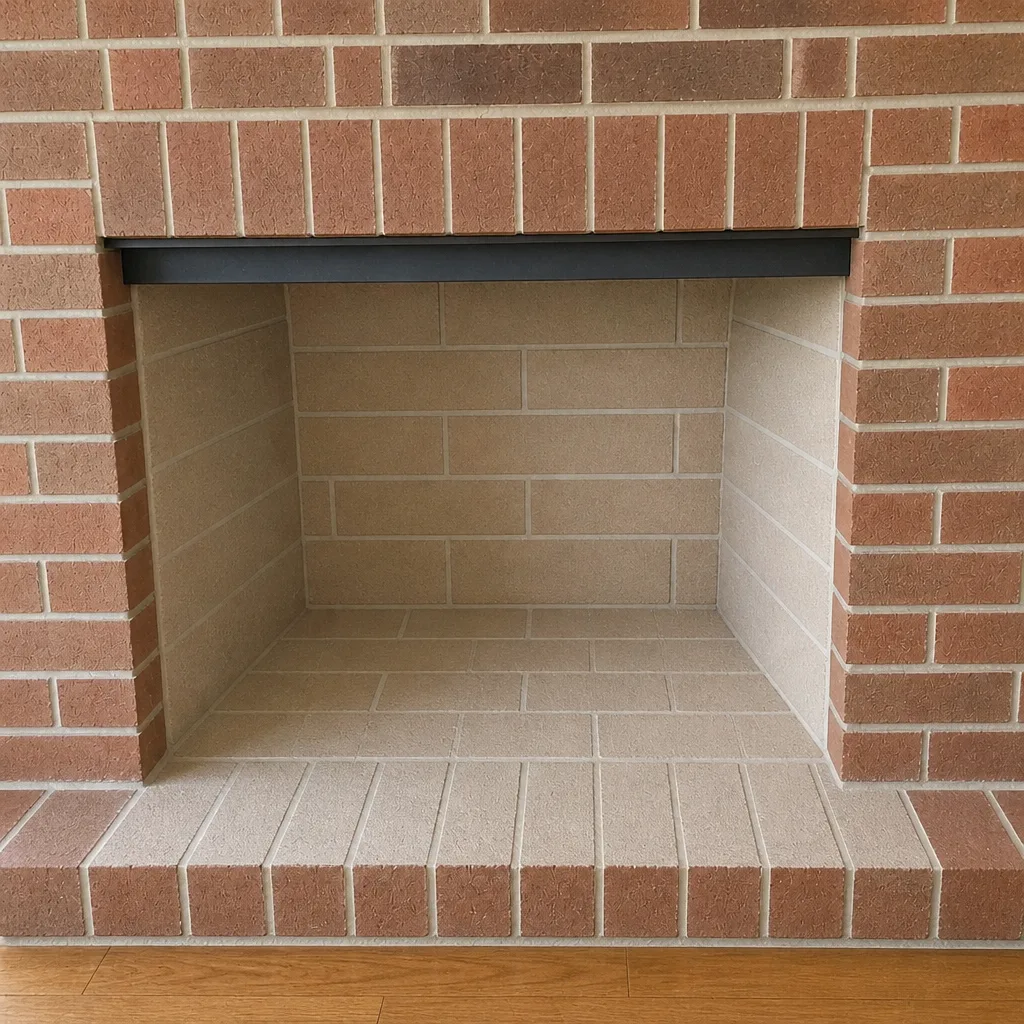
See the difference
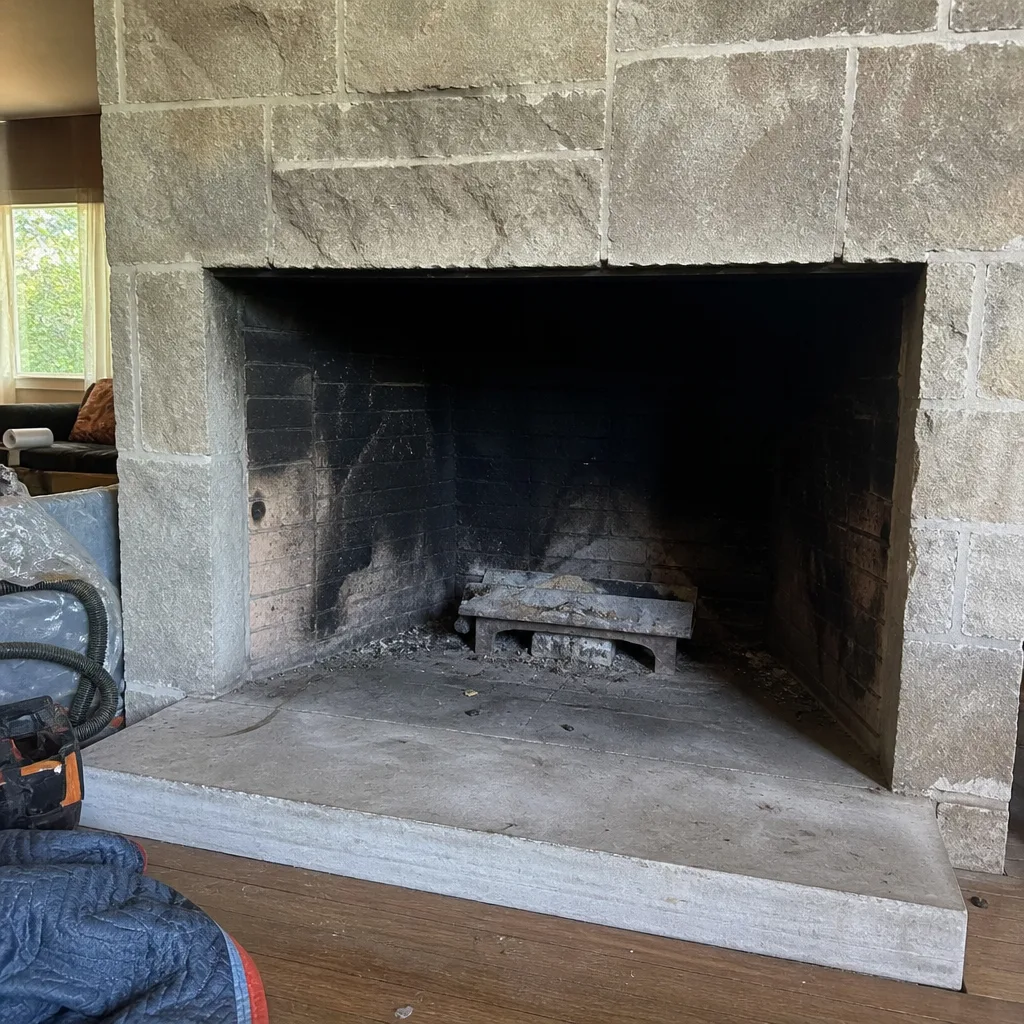 Before
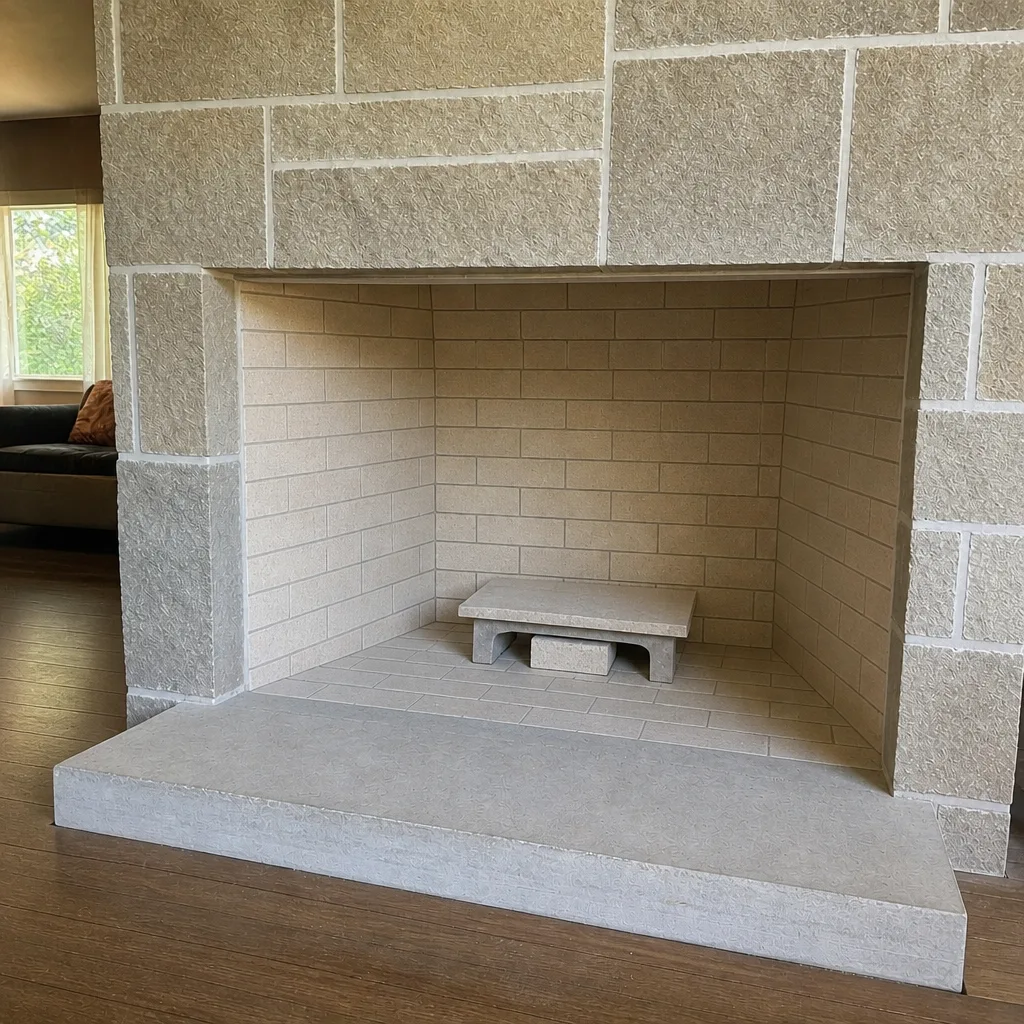 After
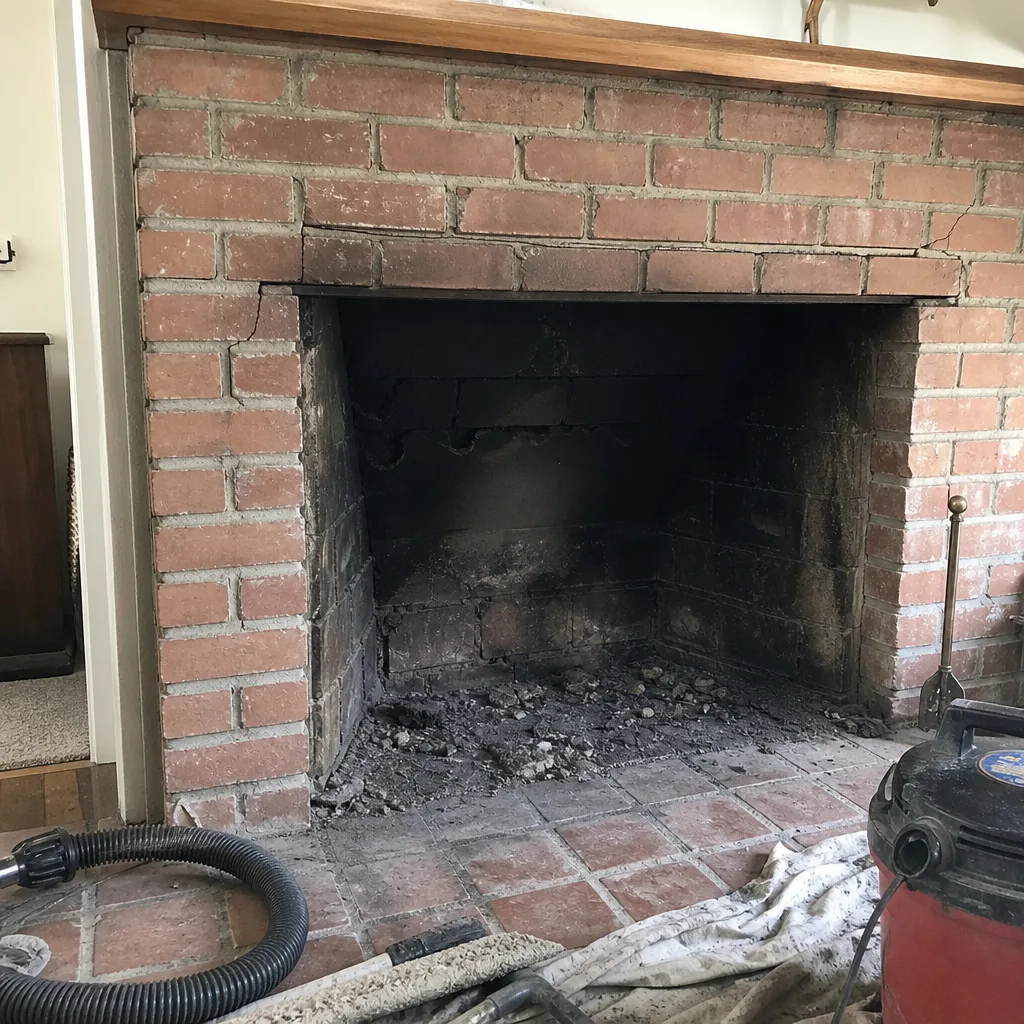 Before
 After
 Before
 After
When to Call a Professional
Some chimney problems are clearly a job for a professional, and some are judgment calls. After any chimney fire, it’s not a judgment call: call a professional and get a Level 2 inspection before relighting. The same is true if you see visible creosote buildup, smell creosote in warm weather, notice smoke rolling into the room, or find creosote flakes on your roof. Any of these is a reason to stop using the fireplace until it’s checked. For annual cleaning, the answer is straightforward: book it before the first fire of the season in Northwood, not after. Chimney Sweep Northwood offers free estimates in Northwood – call (855) 337-2036. We handle inspection, sweep, fireplace repair, chimney repair, and cap & crown installation under one roof, so you aren’t coordinating between contractors. We answer 24/7. Fast dispatch from 7am to 7pm, Sunday through Friday. Our technicians have up to 10 years of experience, and we work with DuraFlex, HeatShield, and Copperfield materials certified chimney specialists rely on.
Frequently Asked Questions
Get everyone out of the house and call 911 first. Don’t try to fight the fire or climb onto the roof. Close the damper only if you can reach it in seconds on your way out, and don’t spray water into the fireplace. Wait for the fire department to clear the house before going back in, even if the fire seems to have gone out. Call (855) 337-2036 after the fire department has cleared the scene – estimates are free.
No. Relighting after any chimney fire is unsafe until a professional has inspected the flue and cleared it, regardless of how minor the fire appeared. Fire damage inside a flue often isn’t visible from the firebox, and a cracked liner or warped component can fail the next time you light a fire. Book a Level 2 inspection before you use the fireplace again. Call (855) 337-2036 for an exact quote – estimates are free.
A Level 1 inspection is a visual check of the accessible portions of the chimney during a routine cleaning. A Level 2 inspection is more thorough: it uses a camera to inspect the full length of the flue, checks accessible portions of the chimney in the attic and crawl spaces, and documents conditions in a written report. A Level 2 inspection is what you need after a chimney fire, and it’s often what insurance companies require before processing a claim.
A chimney should be inspected once a year and swept whenever the creosote buildup reaches a level that warrants it, which for most actively used fireplaces means once a season. In Northwood, the right time is before the first cold evening of the year, when the creosote from last season is still sitting in the flue. Book the sweep and inspection together before the fireplace gets its first use. Call (855) 337-2036 – estimates are free.
Most homeowners policies cover chimney fires, but coverage depends on the policy and on whether the loss resulted from neglect. A documented history of regular inspections and sweeps strengthens a claim. Keep your service records, inspection reports, and photos in a file outside the house, and ask for a copy of the fire department report at the scene. Review your policy details, including the deductible, before anything happens.
Only an inspection can tell you that with certainty. A cleaning removes creosote; an inspection reveals whether the flue, firebox, cap, or crown is damaged. If you notice smoke rolling into the room, visible creosote buildup, or creosote flakes on the roof, book an inspection rather than a cleaning. We include the camera inspection and photo report with the sweep, so you see the condition of your own flue rather than taking a description on faith.
The Bottom Line
Chimney emergencies in Northwood follow a pattern: a system that hasn’t been inspected meets its first fire of the season, and the creosote left from last winter does the rest. The way to break that pattern is straightforward. Get the inspection and sweep done before the first cold evening. Keep the cap and crown in good repair. Watch for the warning signs – smoke in the room, a persistent creosote smell, flakes on the roof – and treat them as reasons to book, not reasons to wait. If a fire does happen, get out, call 911, and treat the chimney as unusable until a professional clears it. Then build the documentation file that makes the insurance claim and the repair go smoothly. Get in touch with Chimney Sweep Northwood to get the full system – inspection, sweep, fireplace repair, chimney repair, and cap & crown – handled by one team before the season starts.
Call (855) 337-2036 for a free estimate. We answer 24/7. Fast dispatch from 7am to 7pm, Sunday through Friday, and we’re closed Saturday.
Written by the team at Chimney Sweep Northwood.