
Last updated November 24, 2026
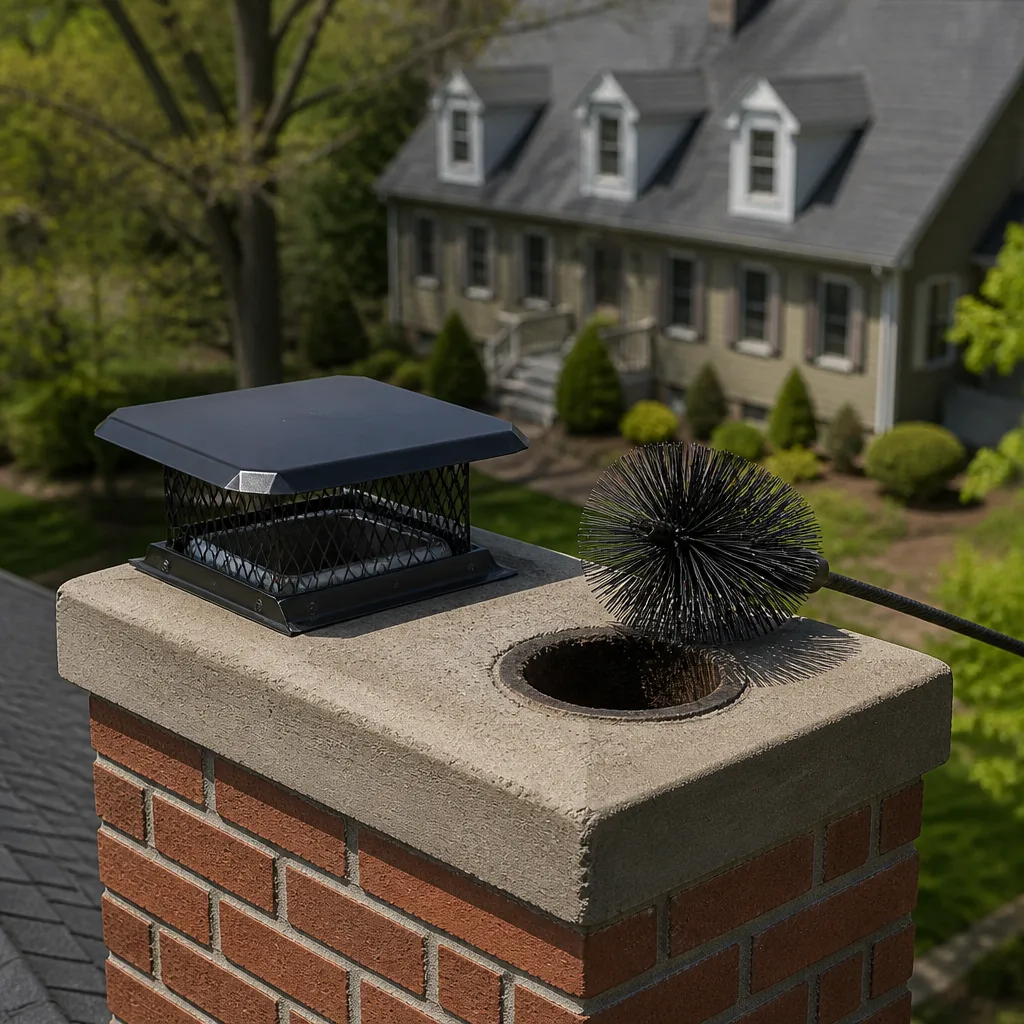 Sweep & inspection
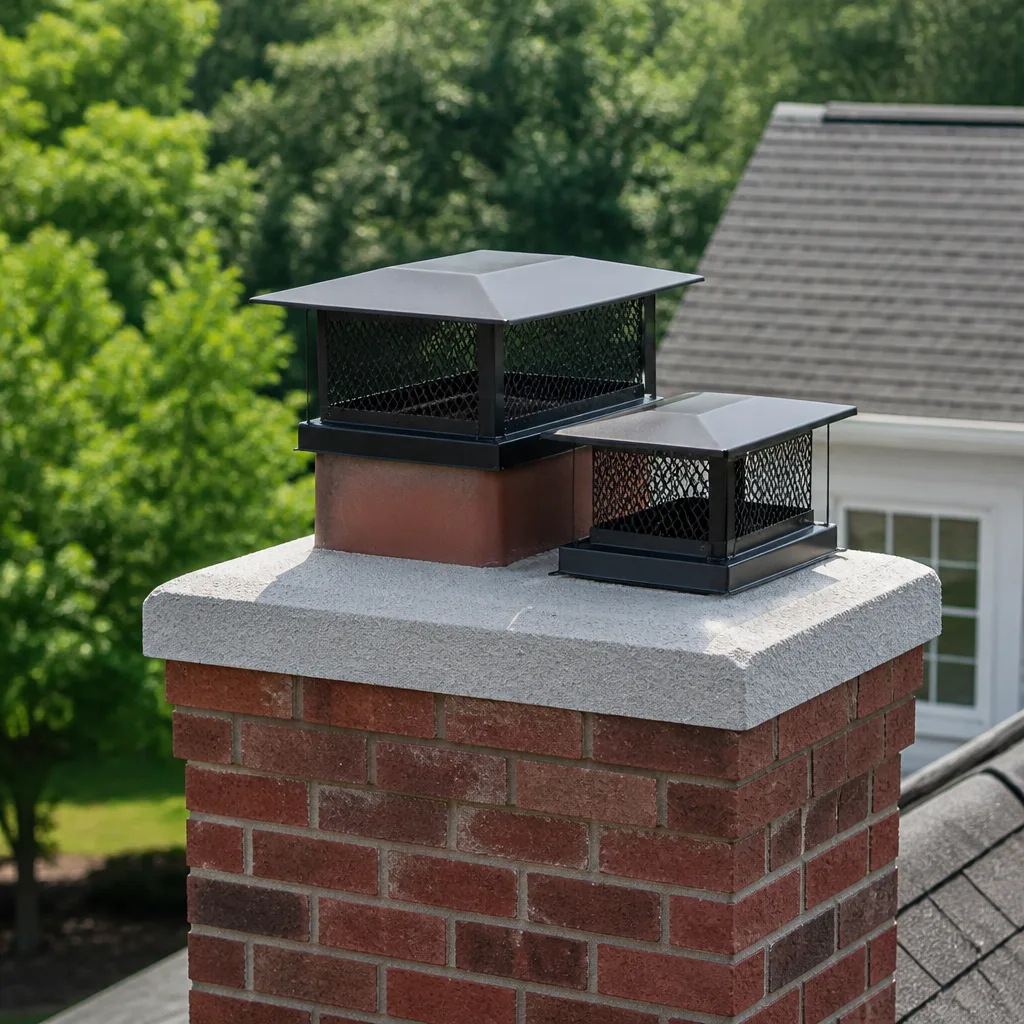 Caps & crowns
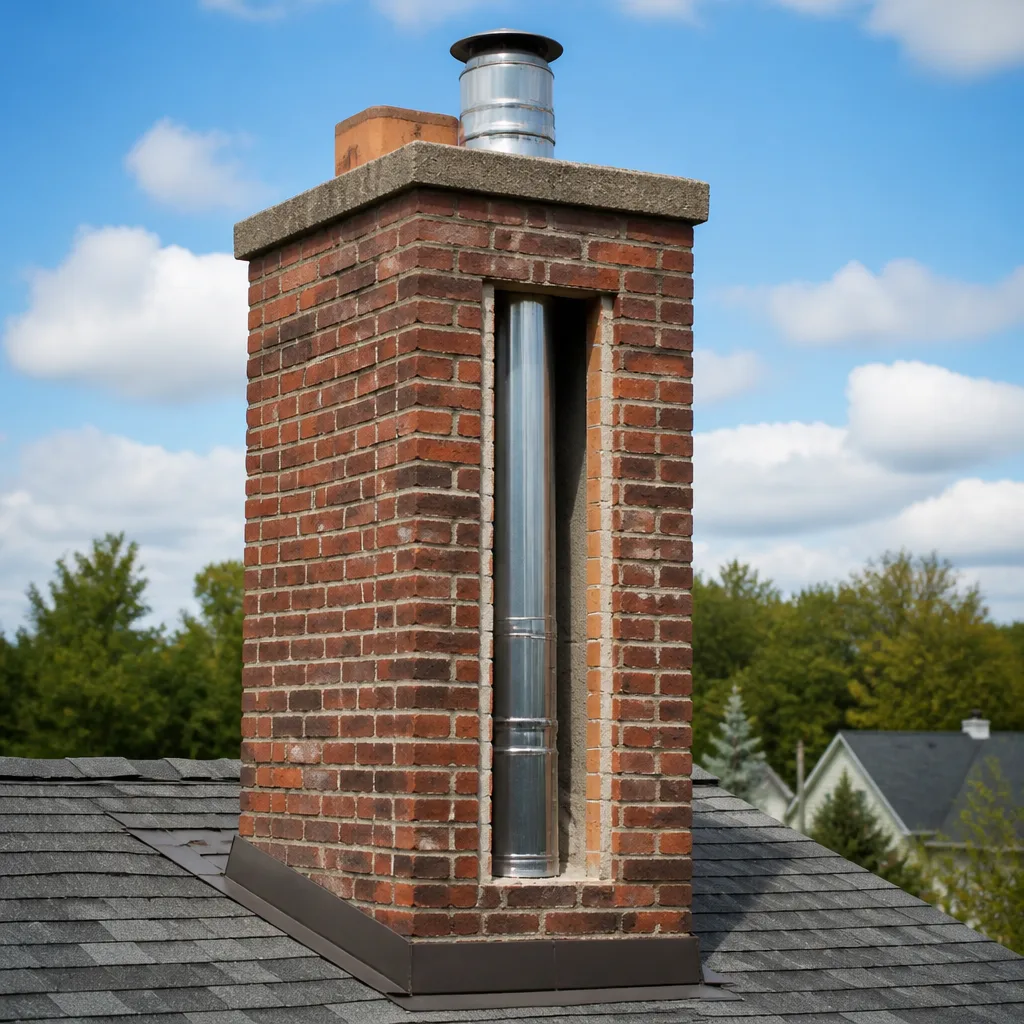 Flue relining
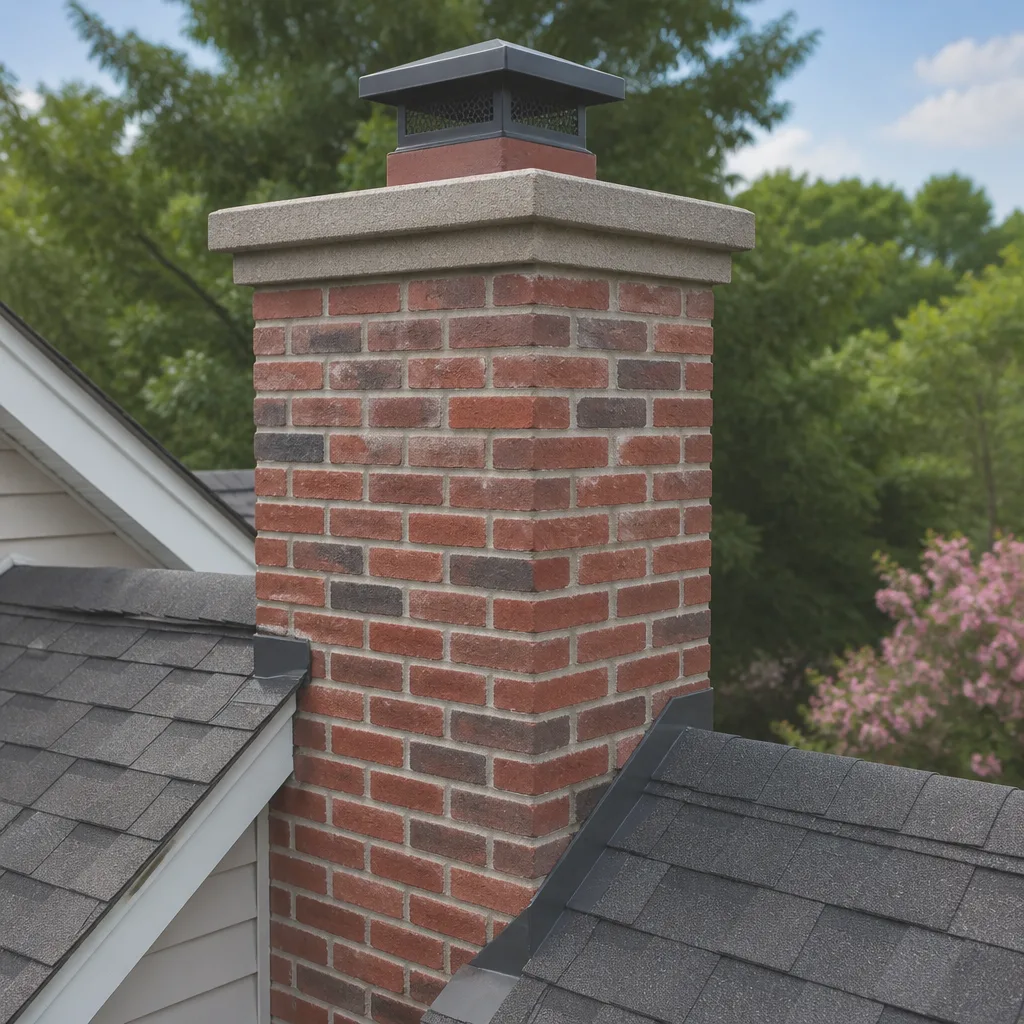 Masonry repair
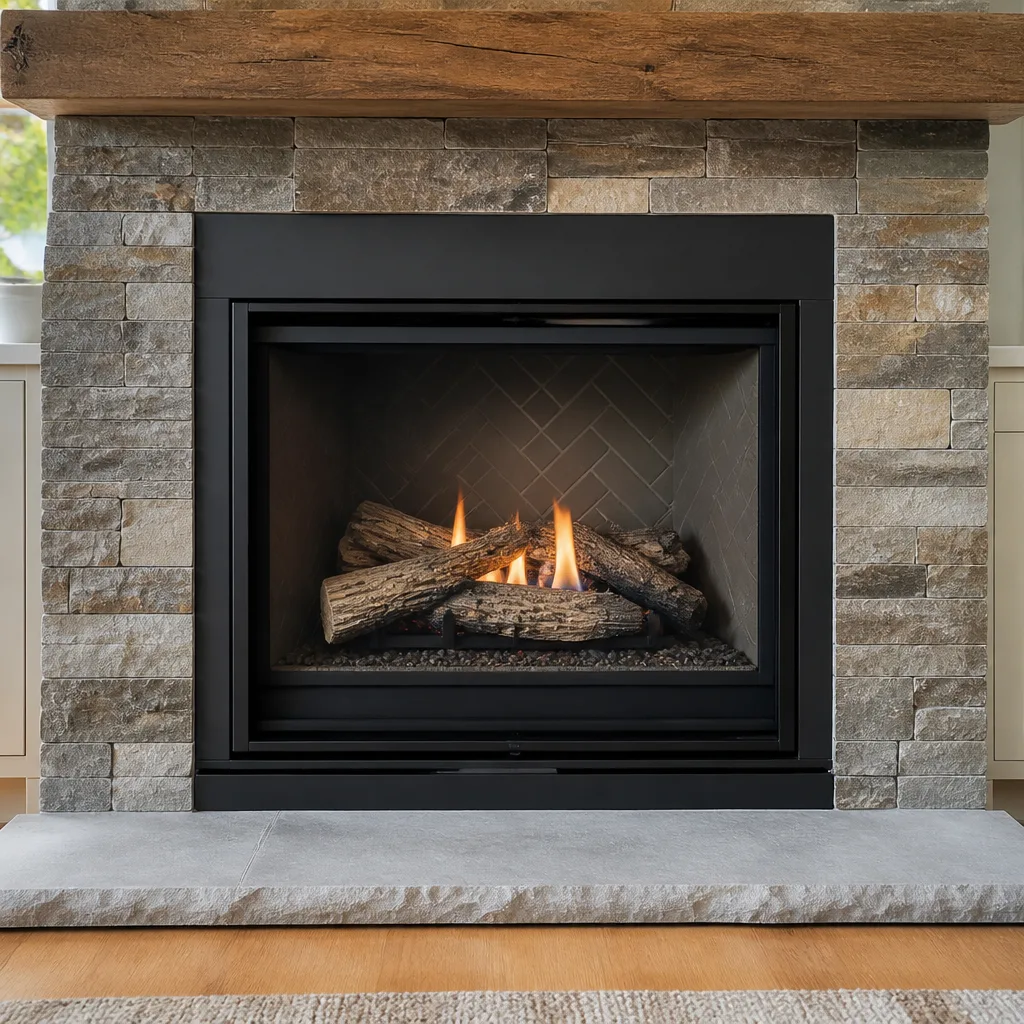 Gas fireplace service
Level 1 sweep and inspection to the NFPA 211 annual standard - flue, crown, cap, and flashing checked and photographed
Chimney sweep logs do not sweep chimneys. They loosen some creosote - which then falls where a brush and vacuum still have to collect it.
Chimney Cleaning Permits, Codes & Inspections in Northwood, CA: What You Need to Know
A chimney cleaning itself rarely triggers a permit. But when that cleaning reveals a cracked liner, a deteriorated crown, or an improperly installed cap, and you repair it without pulling the right permits, you’ve created a liability that follows the house, not just the contractor. That’s the part most homeowners in Northwood don’t hear until a buyer’s inspector starts asking questions. This guide draws the line clearly: what’s routine maintenance, what’s permitted construction under California code, how Orange County jurisdictions layer on top, and how to verify the permit history of chimney work before you buy or sell a home in Northwood.
Quick Answer
In California, chimney cleaning, cap swaps, and minor mortar touch-ups are generally considered maintenance and don’t require a building permit. Liner replacement, wood insert installation, and structural chimney repair usually do require a permit from your local building jurisdiction, and the work must follow California Building Code alongside NFPA 211 standards and UL listings for the products installed. In Northwood, that means the City of Irvine’s building department is the authority, and unpermitted chimney work can surface during a home sale and complicate escrow.
Styles & brands we work with
- Sweep & inspection
- Caps & crowns
- Flue relining
- Masonry repair
- Gas fireplace service
Table of Contents
- Where the Permit Line Falls in California Chimney Work
- How Irvine and Orange County Rules Layer on Top of State Code
- What NFPA 211 and UL Listings Actually Require
- The Three Inspection Levels and What Each One Covers
- How Unpermitted Chimney Work Surfaces During a Home Sale
- How to Verify Permit Status on Prior Chimney Work
- The Step-by-Step Process for a Permitted Chimney Repair
- Why Northwood’s Climate Shapes Chimney Wear
Where the Permit Line Falls in California Chimney Work
The clearest way to think about permits is this: if the work changes the chimney’s structure, its flue system, or the appliance connected to it, a permit is usually required. If the work restores the chimney to the condition it was already in, it usually isn’t. California Building Code treats a chimney as part of the building’s structural and life-safety systems, which is why the dividing line sits where it does.
Typically considered maintenance, no permit required:
- Annual chimney sweeping and creosote removal
- Replacing a chimney cap with a like-for-like model
- Minor mortar repointing on the firebox or smoke chamber where no structural member is affected
- Visual inspection and camera inspection of the flue
- Removing a bird nest or debris blockage
Typically requires a building permit:
- Flue liner replacement or relining with a stainless system such as DuraFlex
- Installation of a wood-burning insert or a new stove
- Structural repair to the chimney chase, crown rebuild, or masonry reconstruction
- Adding a new chimney or extending an existing one
- Any change to the flue’s size, shape, or termination height
The gray area is liner resurfacing. HeatShield is a resurfacing system applied to a compromised clay liner rather than a full stainless reline, and whether a jurisdiction treats it as repair or as alteration varies. In our experience, the safest path is to ask the building department directly before booking the work, because a resurfaced liner is still a change to the flue system and inspectors have opinions about it.
How Irvine and Orange County Rules Layer on Top of State Code
Northwood is a neighborhood of Irvine, which means chimney permits run through the City of Irvine’s building department rather than Orange County’s. That distinction matters. Irvine enforces the California Building Code as its base, then adds local amendments, inspection scheduling rules, and sometimes additional requirements for anything touching the building envelope. A permit pulled in a neighboring city does not transfer.
Three practical layers sit on top of the state code for a Northwood homeowner:
- City of Irvine building department. This is where the permit is issued and where inspections are scheduled. Irvine’s plan check process may ask for product documentation on liner and insert installations, so keeping the manufacturer’s listing sheets on hand speeds things along.
- Orange County Fire Authority. For solid-fuel appliances and chimney installations, OCFA standards on clearances and venting can come into play, particularly on insert installs where the appliance is changing the heat output of the fireplace.
- Homeowners association rules. Many Northwood properties sit within associations that have their own architectural review requirements for exterior changes, including chimney caps, crowns, and any visible chase modification. An HOA approval is not a building permit, but you often need both.
Homeowners frequently assume that because the work is inside the chimney, nobody needs to know. In practice, the exterior cap, crown, and chase are visible from the street, and associations notice. Getting the HOA review and the building permit handled together avoids the awkward situation of a completed repair that has to be undone because it wasn’t approved.
What NFPA 211 and UL Listings Actually Require
NFPA 211 is the national standard for chimneys, fireplaces, vents, and solid fuel-burning appliances. It’s not law in itself, but California Building Code references it, which gives it teeth. The standard sets requirements for clearance to combustibles, flue sizing, inspection levels, and the condition a chimney must be in to remain in service. When an inspector checks permitted chimney work, NFPA 211 is the yardstick they’re holding.
UL listings are the second half of the equation. Any liner, cap, or insert installed in permitted work should carry a UL listing for that specific application. A stainless liner rated for wood appliances is not automatically rated for a gas appliance, and a cap listed for one flue configuration may not be listed for another. This is where brand choice matters. Products from DuraFlex, Olympia Chimney, Famco, and Gelco come with documentation that satisfies an inspector because the listings are clear and traceable.
Generic or unbranded components are the recurring problem. We’ve seen installs where the liner works fine but has no listing paperwork, which stalls the final inspection and forces the homeowner to either produce documentation that doesn’t exist or replace the liner. If a contractor can’t tell you the exact product and its listing, that’s a signal to ask harder questions before the work starts. A properly documented install leaves the homeowner with a paper trail that survives a sale.
The Three Inspection Levels and What Each One Covers
NFPA 211 defines three inspection levels, and knowing which one you’re getting prevents a lot of confusion. A contractor who says “we inspected it” without naming the level has told you very little.
Level 1 inspection. This is the routine annual check. The technician looks at the readily accessible portions of the chimney and firebox, confirms there’s no obstruction or excessive creosote, and verifies the appliance is connected correctly. It’s the appropriate level for a chimney that’s been in continuous service with no changes and no problems.
Level 2 inspection. This is required whenever the appliance changes, the property changes hands, an event like a chimney fire has occurred, or the chimney has been damaged. It includes everything in Level 1 plus a camera inspection of the flue interior and access to areas that aren’t visible without it. Most home sales in Northwood call for a Level 2 because the buyer has no history with the chimney.
Level 3 inspection. This is diagnostic and happens when a Level 2 finds a problem that can’t be resolved without opening up construction. It may involve removing part of the chimney chase or crown. Level 3 is uncommon, but when it’s needed, it’s because something serious has already been identified.
If you’re buying or selling a home in Northwood, ask specifically for a Level 2 with a photo report. Our chimney sweep appointments always include a camera inspection and photo report so the homeowner sees exactly what we see, and nothing is recommended without that evidence. If your chimney is in good shape, we say so.
How Unpermitted Chimney Work Surfaces During a Home Sale
Unpermitted chimney work tends to surface at exactly the worst moment: during the buyer’s inspection contingency. A home inspector looks at the firebox, the flue, and the cap, and if something looks newer than the rest of the house, the buyer’s agent starts asking for documentation. What follows is a cascade of problems that can extend a closing by weeks.
The typical sequence looks like this:
- The buyer’s inspector flags the liner or insert as newer than the structure and asks for permit records.
- The seller has no permit and no product documentation, because the original contractor didn’t pull one.
- The buyer’s lender becomes involved if the chimney is part of a stated life-safety system.
- The seller must either retroactively permit the work, which means the current code applies and the work may not meet it, or have the work replaced to current standards before closing.
- Either path is expensive, and the seller carries the cost because the disclosure obligation rests with them once they know about it.
Retroactive permitting is not automatic. The building department can require that the work meet current code, which means a liner installed under older standards may need to be replaced rather than simply signed off. We’ve seen a straightforward reline become a full replacement because the original install used a product without a clear listing.
This is also where brand documentation earns its keep. A HeatShield application or a DuraFlex liner installed with the manufacturer’s paperwork on file gives the seller something concrete to hand the buyer. Without it, the honest answer is “we don’t know who did it or how.”
How to Verify Permit Status on Prior Chimney Work
Verifying permit history is straightforward if you know where to look, and it’s worth doing before you buy or sell a home in Northwood. The good news is that permit records are public.
If you’re buying:
- Ask the seller in writing for any permits pulled on chimney, fireplace, or venting work during their ownership.
- Request the permit number and the final inspection date, not just a verbal confirmation.
- Call the City of Irvine building department and confirm the permit was issued and signed off at final inspection.
- Ask the seller for product documentation on any liner or insert installed.
- Book a Level 2 inspection with a camera scope before your inspection contingency ends. The photo report is your evidence.
If you’re selling:
- Pull your own records before listing, so there are no surprises during the buyer’s inspection.
- If work was done without a permit, get ahead of it. A contractor can advise whether the installation meets current code and can be retroactively permitted, or whether replacement is the honest answer.
- Have a current Level 2 inspection and photo report on hand. It demonstrates diligence and removes an objection before it becomes a negotiation point.
For older homes in Northwood, permit records from decades past can be incomplete or unavailable. In that case, an inspection and photo report is the practical substitute. It tells the buyer what’s actually there, which is more useful than a missing paper trail from a previous owner.
The Step-by-Step Process for a Permitted Chimney Repair
When an inspection finds something that requires a permit, here’s how the sequence typically runs. Knowing the order prevents the most common slowdowns.
- Inspection and diagnosis. A Level 1 or Level 2 inspection identifies the problem and documents it with photos and a camera video. This is the foundation for everything that follows.
- Written scope of work. The contractor describes the repair in plain terms and specifies the products, including brand and listing. If the plan is a fireplace repair that touches the flue, the scope should say so.
- HOA review, if applicable. Any visible change to the exterior of the chimney goes through the association’s architectural process. Budget time for this before the permit application, since the two run in parallel.
- Permit application. The contractor submits to the City of Irvine with plans and product documentation. Plan check may ask follow-up questions about clearances or listing details.
- Permit issuance and work scheduling. Once the permit is issued, work is scheduled. Most repair jobs are one or two days of actual labor.
- Rough and final inspections. Depending on the work, there may be an interim inspection before the chimney is closed up, and a final inspection after completion. The contractor should schedule both.
- Final sign-off and documentation. You receive the signed permit and the manufacturer documentation. Keep both with the home’s records. They’re what makes the next sale easy.
The step homeowners most often skip is the written scope with product names. Without it, the permit application is vague, plan check asks for more, and the timeline stretches. A specific scope with listed products and a clear repair method is what keeps a Northwood chimney permit moving.
Why Northwood’s Climate Shapes Chimney Wear
Northwood’s mild winters mean the chimney faces its heaviest stress from use, not from weather. There’s less freeze damage than in colder parts of the country, but the temperature swings between cool evenings and warm afternoons still cause the masonry to expand and contract. Over years, that movement shows up as hairline cracks in the crown and around the flue, small gaps that let water in and creosote residue accumulate.
The bigger wear factor is how people use their fireplaces here. Fires tend to be intermittent: a few cool evenings, then a warm week, then back to the fireplace. Intermittent burning produces more creosote at each burn because the flue never fully warms up, and a cool flue condenses smoke more readily. That’s a use pattern, not a defect, but it’s a reason to have the chimney swept on a regular schedule rather than waiting for a noticeable problem.
We also see a fair amount of chimney cap & crown wear in Northwood specifically because the dry season bakes the crown for months and the rain that follows finds every crack. A cap in good shape keeps birds, debris, and rain out of the flue; a deteriorated crown lets water into the masonry itself. Both are visible from the ground, and both are the kind of thing an inspection picks up before it becomes a structural problem. Products like the Gelco and Famco lines we install are chosen because they hold up to this pattern of dry summers and moderate winters rather than because they’re cheap.
Common Mistakes to Avoid
- Assuming all chimney work is maintenance. A liner replacement, an insert install, and a crown rebuild all change the chimney’s structure or flue system, which puts them on the permit side of the line. Ask before booking, not after.
- Treating a contractor’s permit as a favor. Pulling the permit is part of the job. A contractor who suggests skipping it to save time is suggesting you take on the risk that should be theirs.
- Skipping the HOA review in Northwood. An exterior cap, crown, or chase change often needs architectural approval alongside the building permit. Doing the work without it invites a reversal after the fact.
- Buying a home on a visual inspection alone. The inside of a flue can’t be seen from the firebox. A Level 2 with a camera scope is the only way to know whether the liner is intact before you close.
- Accepting unbranded components. A liner without a clear listing is a liner that can stall an inspection or require replacement later. Ask for the product name and its documentation.
- Assuming a permit from another city covers Northwood. Irvine issues permits for Irvine. A permit pulled in another Orange County jurisdiction doesn’t transfer, and the inspection that matters is Irvine’s.
- Waiting for smoky burns to book a cleaning. By the time a chimney smokes, creosote is already heavy. Sweeping on a regular schedule catches the problem before it becomes a repair.
See the difference
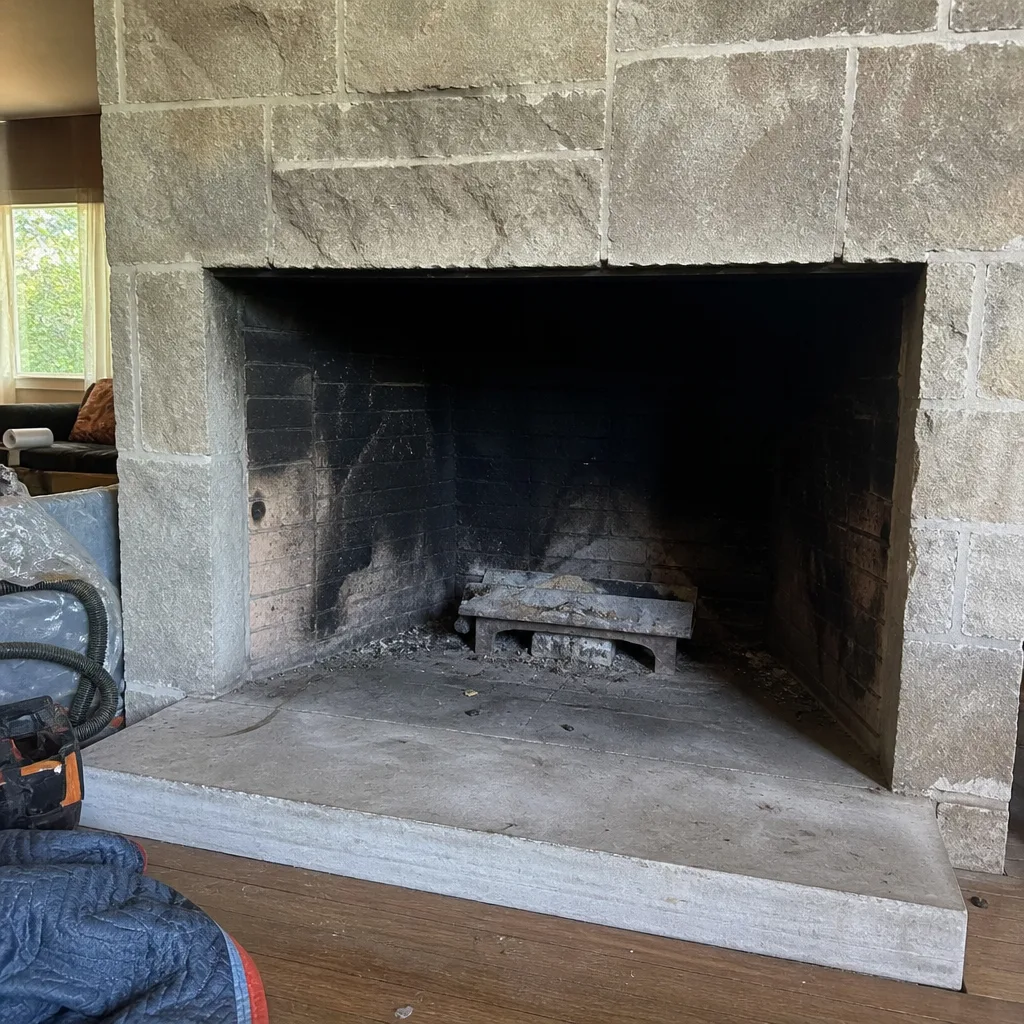 Before
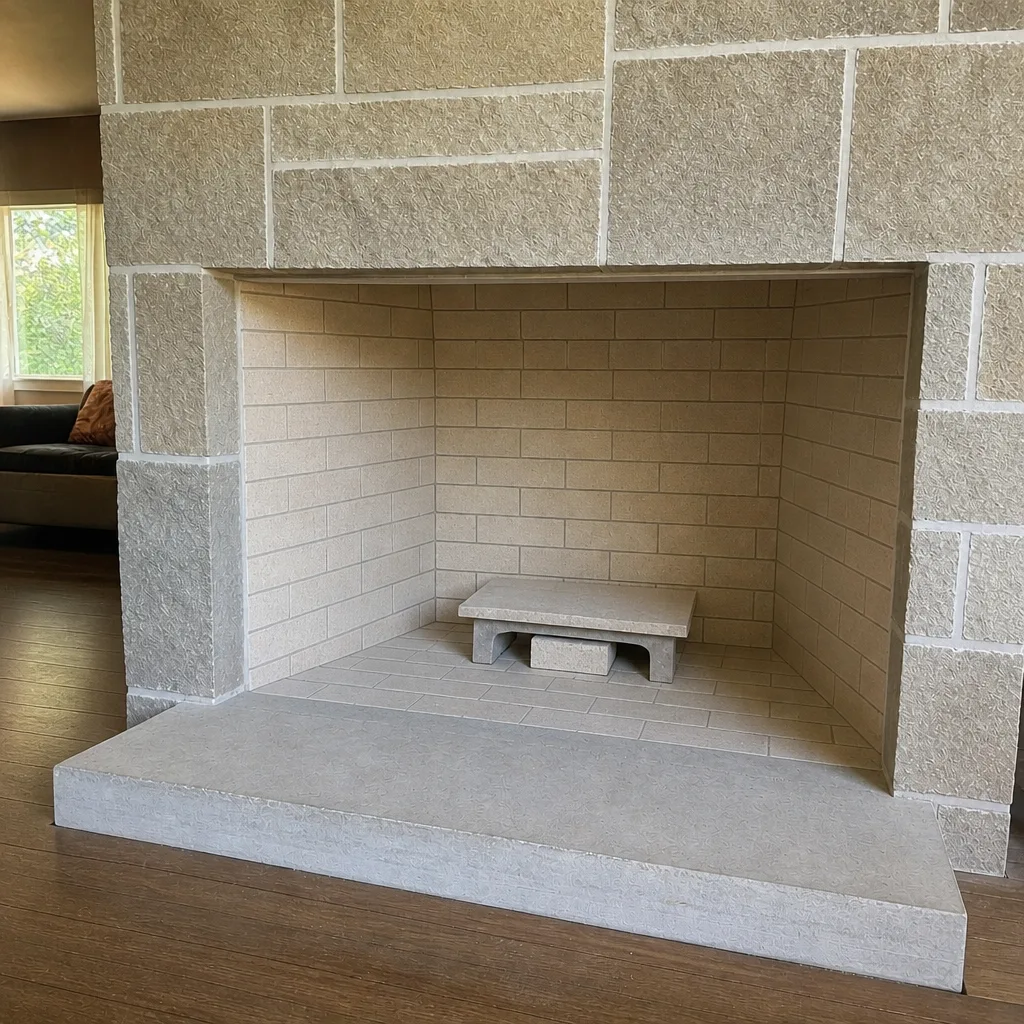 After
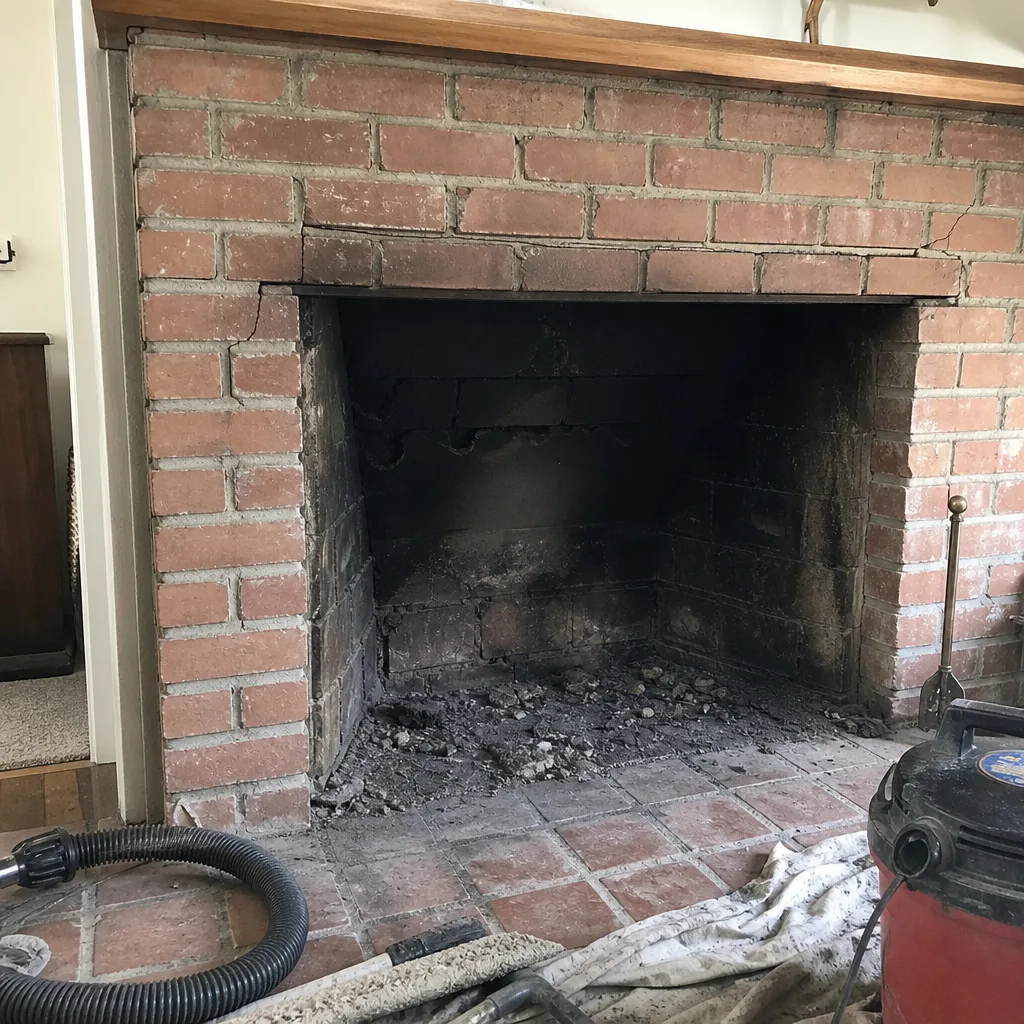 Before
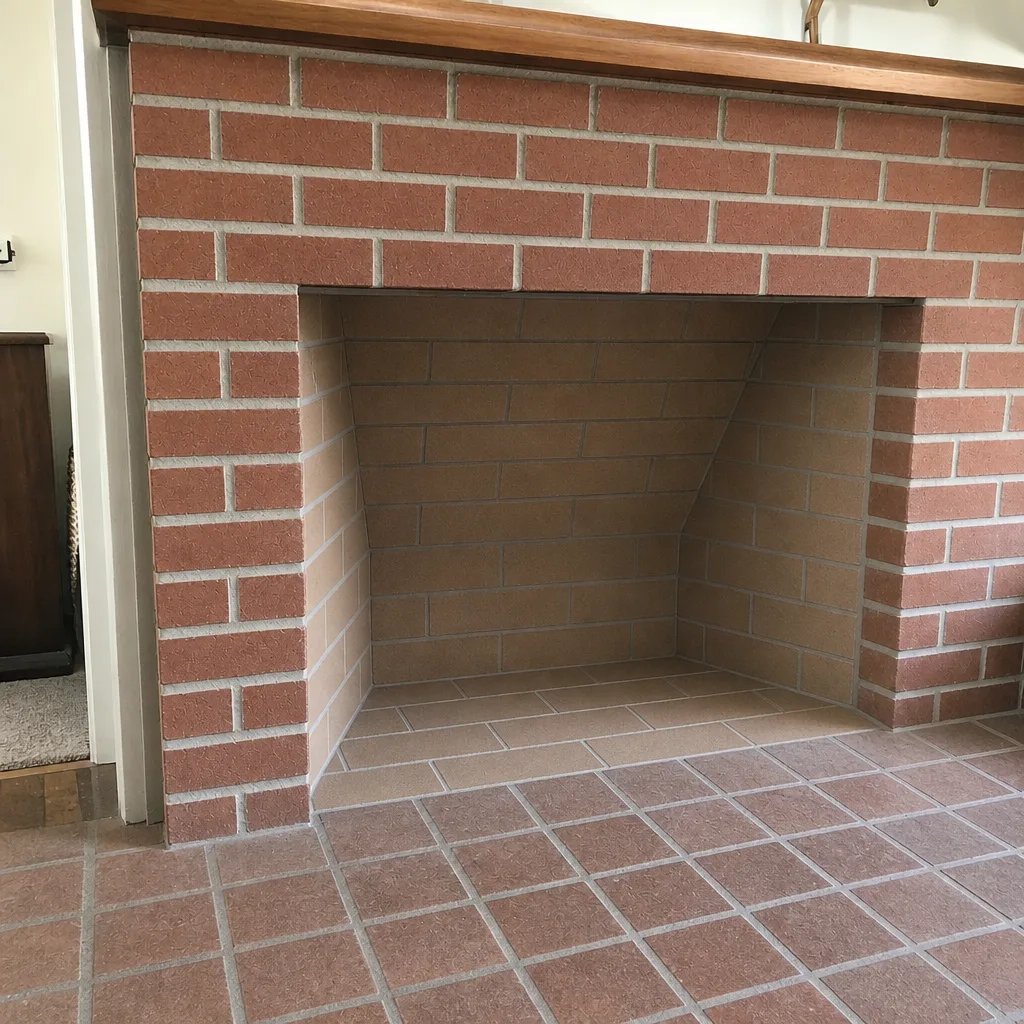 After
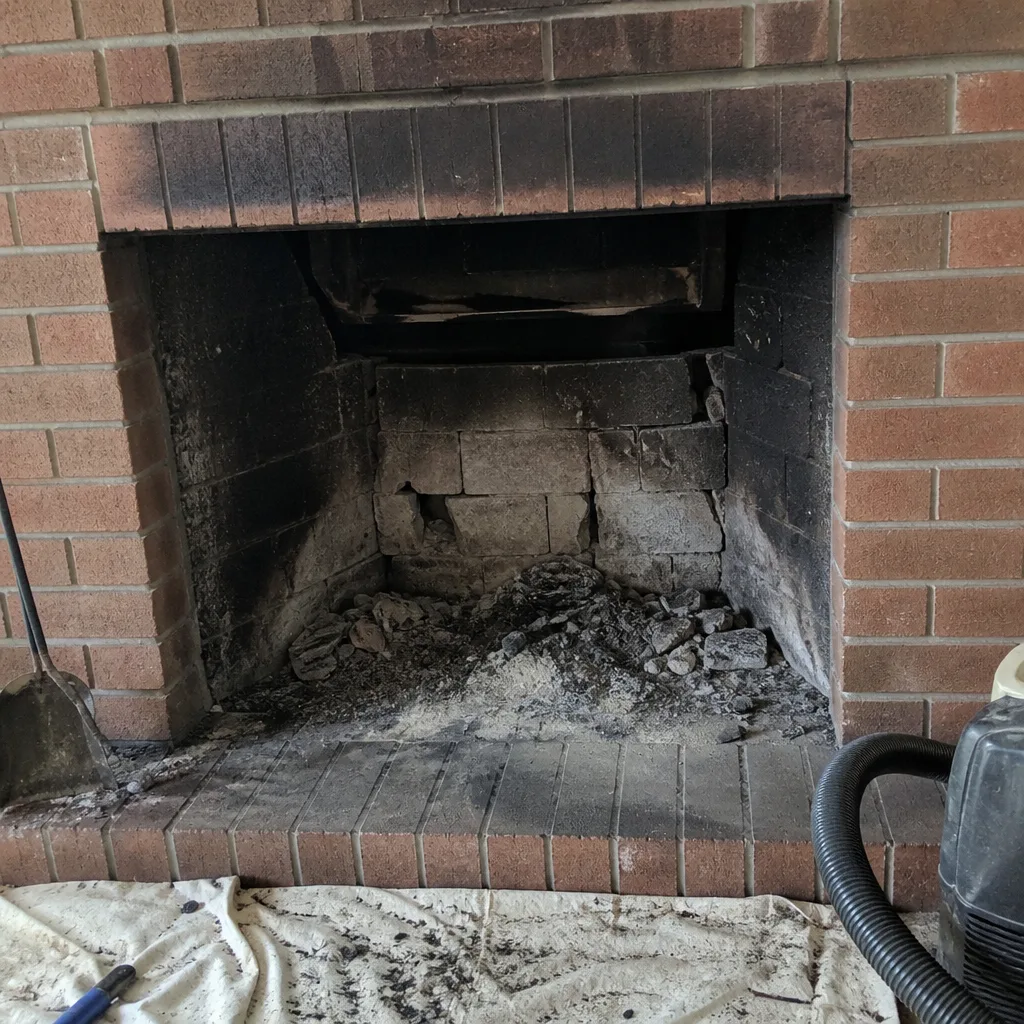 Before
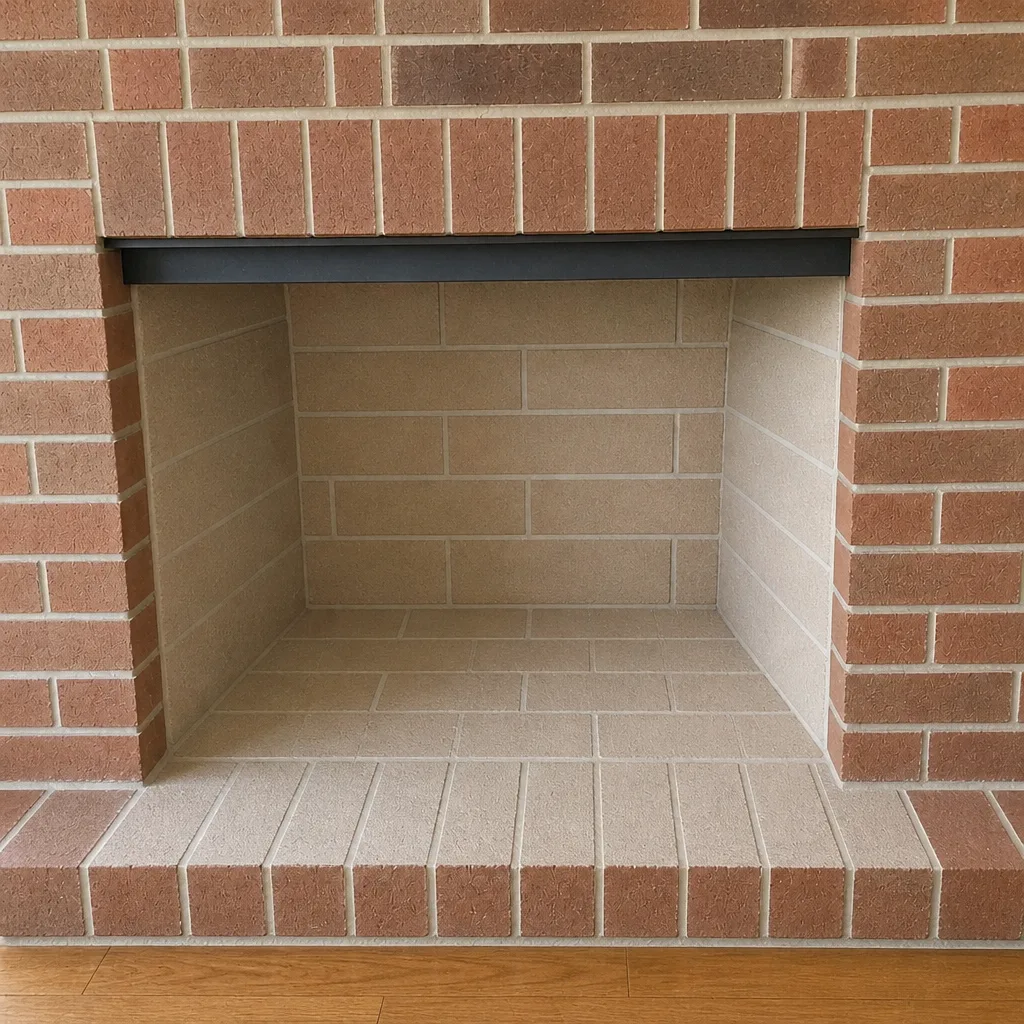 After
When to Call a Professional
Some chimney problems need a professional, not a DIY attempt. The high-tension springs and cables in some older firebox assemblies, structural masonry, and anything involving the flue system all carry real risk, and getting them wrong can create a hazard rather than fix one. Call us when you’ve noticed smoky backup, a smell in the house when the fireplace isn’t in use, visible cracks in the crown or chase, a cap that’s loose or missing, or a home inspection that flagged the chimney and you want a straightforward answer about what’s actually wrong and whether it needs a permit. If you’re buying or selling in Northwood and need a Level 2 inspection with a photo report, or you’ve inherited an unpermitted repair and need to know where you stand, call us. Chimney Sweep Northwood offers free estimates in Northwood. Call (855) 337-2036. We answer 24/7. Fast dispatch from 7am to 7pm, Sunday through Friday.
Frequently Asked Questions
No. Chimney cleaning is routine maintenance and doesn’t require a building permit in Northwood or anywhere in California. A sweep removes creosote, nests, and debris without altering the chimney’s structure. If the sweep finds something that does need changing, like a cracked liner, that’s when the permit question comes up.
Yes, a liner replacement typically requires a building permit because it changes the flue system. California Building Code treats the flue as part of the chimney’s life-safety function, so a new liner, whether it’s a stainless DuraFlex system or a resurfacing method like HeatShield, is generally treated as permitted work. Confirm with your local building department before the work starts.
A Level 1 inspection is the routine annual check of readily accessible parts. A Level 2 inspection adds a camera scope of the flue interior and is required whenever the appliance changes, the property changes hands, or a chimney fire has occurred. If you’re buying or selling a home in Northwood, ask for a Level 2 with a photo report.
Yes, it can delay or derail a sale. Once a buyer’s inspector flags unpermitted work, the seller has to resolve it, often by getting the work retroactively permitted or replaced to current standards. Getting records and an inspection in order before listing is the way to avoid the problem.
Call the City of Irvine building department with the address and any permit numbers you have, and ask whether permits were issued and whether final inspections were signed off. Permit records are public. If the records are incomplete for an older home, a current Level 2 inspection with a photo report is the practical alternative.
Products with clear UL listings for the specific application, and manufacturer documentation that ties the installation to those listings. Brands like DuraFlex, Olympia Chimney, Famco, and Gelco come with documentation that satisfies an inspector. Unbranded or unlisted components are the most common cause of a stalled final inspection.
The Bottom Line
The dividing line in Northwood chimney work is simple: cleaning and small maintenance don’t need a permit, but liner replacement, insert installation, and structural repair do. Northwood is in Irvine, so the City of Irvine building department issues the permit, the Orange County Fire Authority standards may apply to the appliance, and your HOA may have its own review for exterior changes. Product listings from brands like DuraFlex and HeatShield matter because they’re what an inspector checks, and they’re what a buyer’s agent asks for. Unpermitted work surfaces during a home sale and creates a liability that follows the house. One call handles the whole system. Call (855) 337-2036 for a free estimate. We answer 24/7. Fast dispatch from 7am to 7pm, Sunday through Friday.
Written by the team at Chimney Sweep Northwood.