
Last updated November 24, 2026
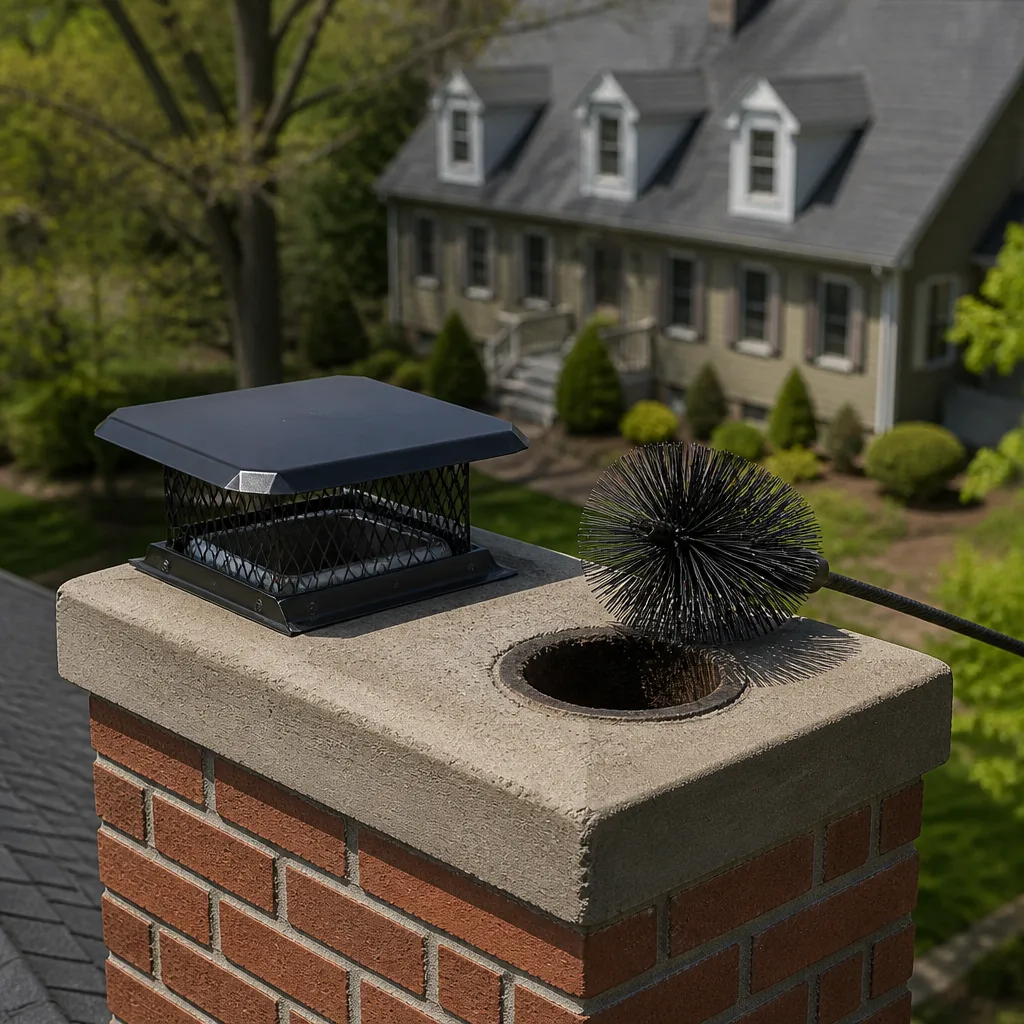 Sweep & inspection
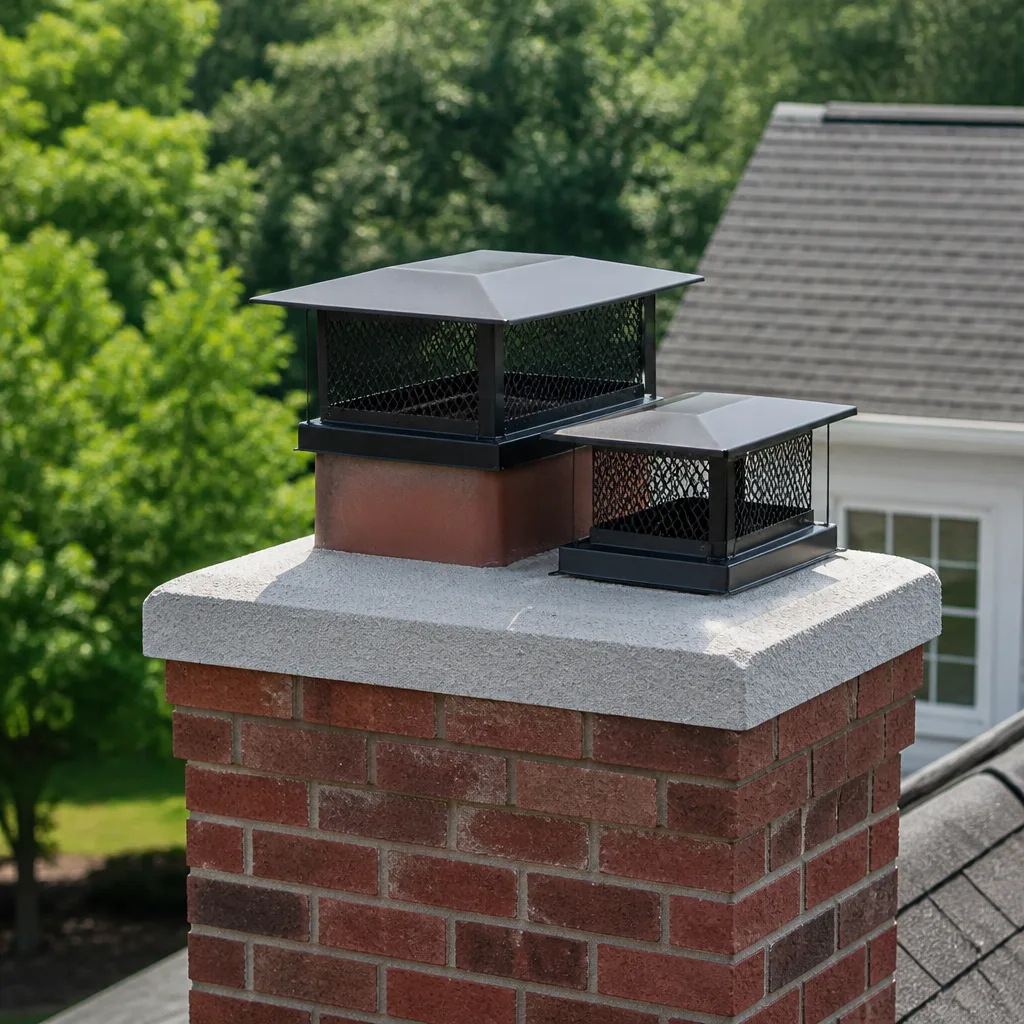 Caps & crowns
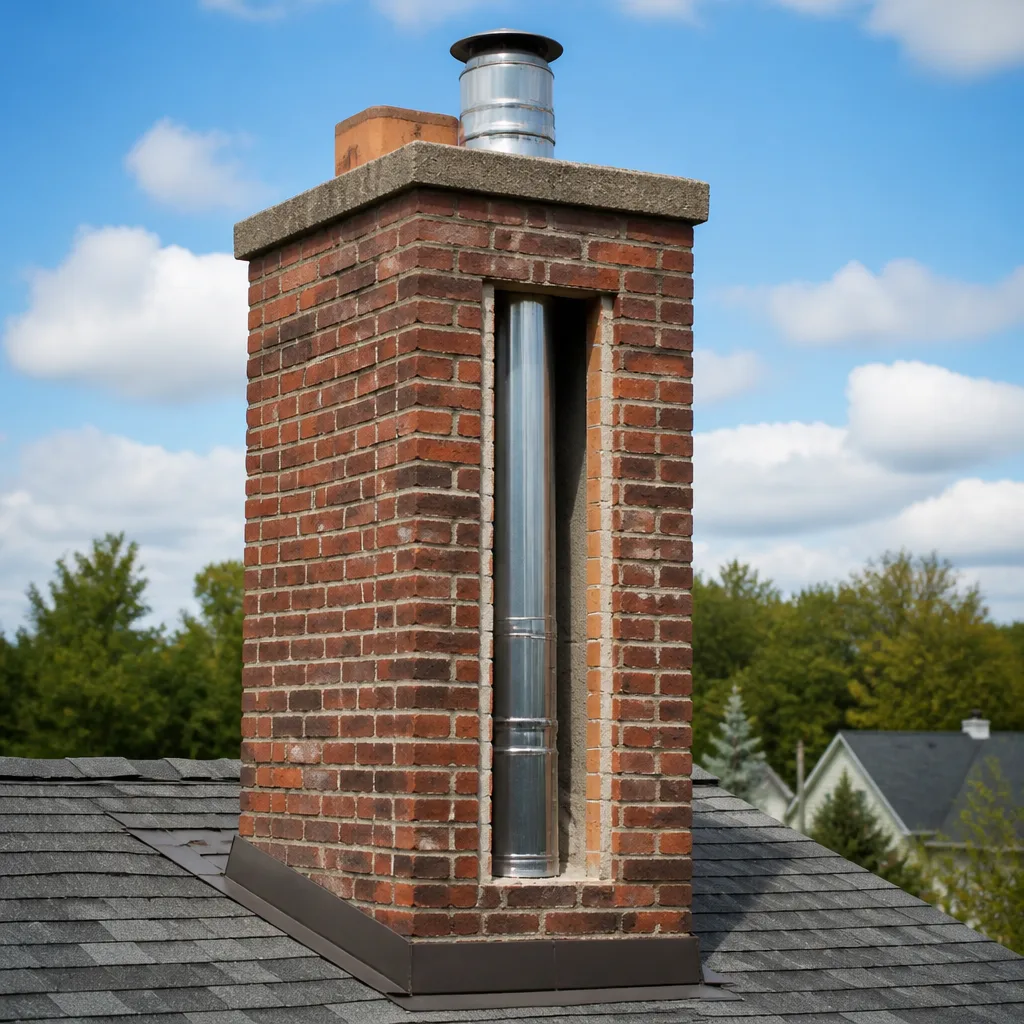 Flue relining
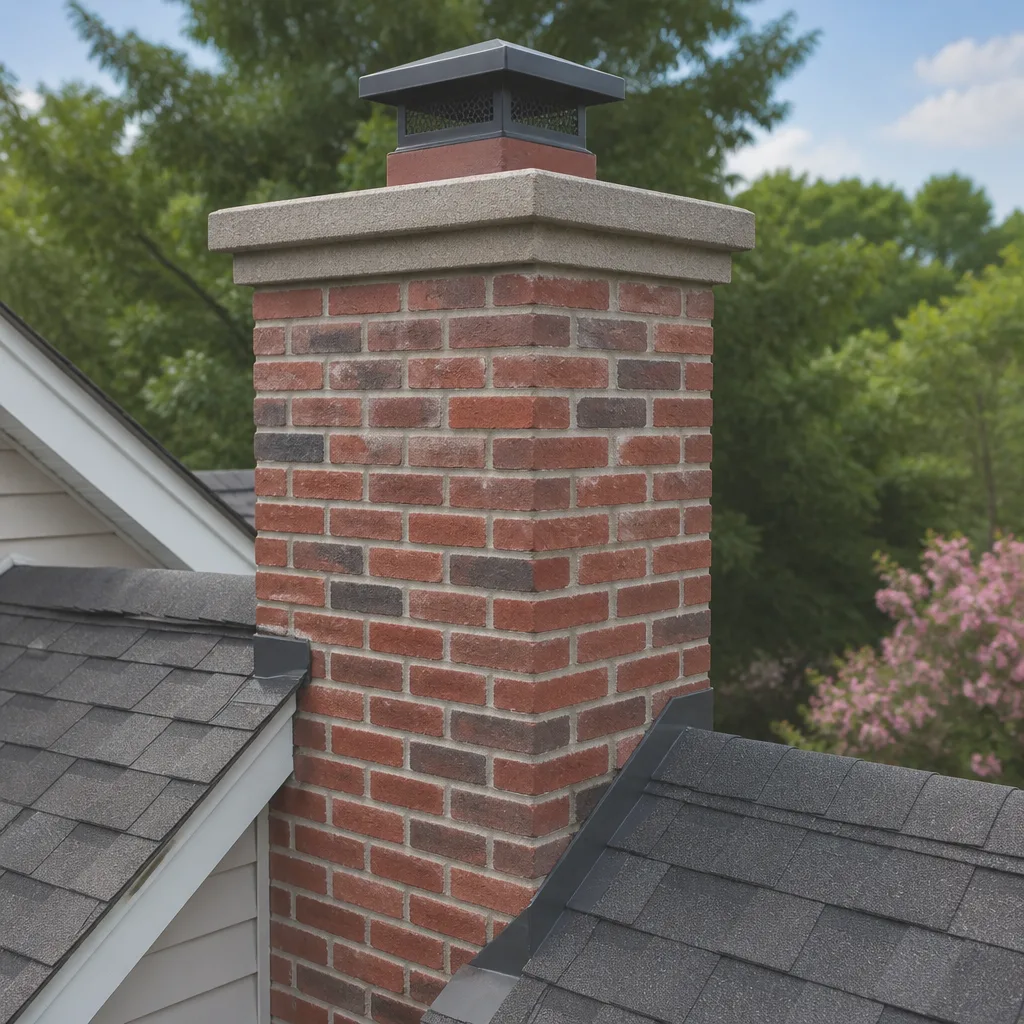 Masonry repair
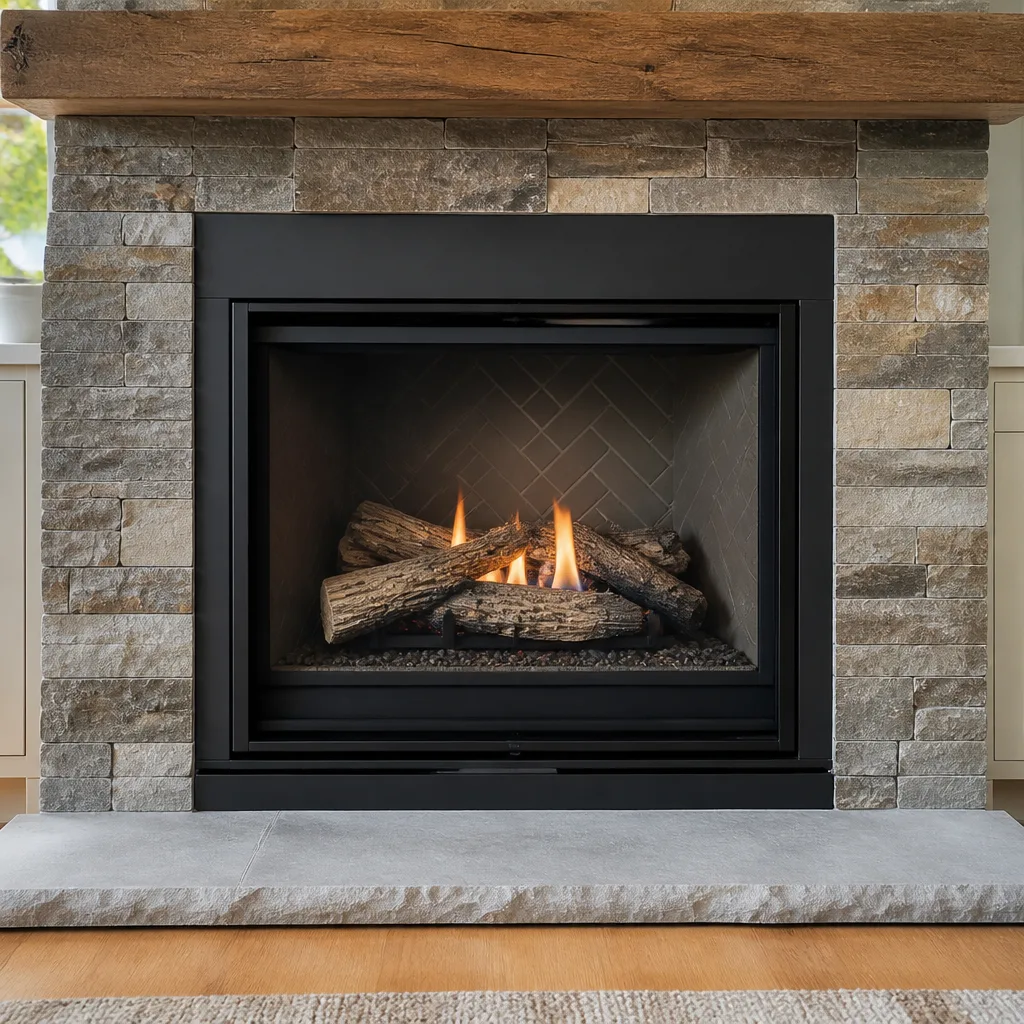 Gas fireplace service
Level 1 sweep and inspection to the NFPA 211 annual standard - flue, crown, cap, and flashing checked and photographed
Chimney sweep logs do not sweep chimneys. They loosen some creosote - which then falls where a brush and vacuum still have to collect it.
Chimney Cleaning Warning Signs: A Northwood Homeowner’s Reference Guide
By the time you smell smoke in a room with a closed damper, the smell isn’t the problem. It’s a symptom of whatever caused the draft to fail, and that failure has been developing for at least one season. Most chimney guides hand you a list of things to watch for: white staining, smoke odor, visible cracks. Those are real. But they’re downstream signals. Every warning sign you can see has an earlier warning sign you can only interpret if you know what you’re looking at. That’s what this guide is for. We’re going to work backward from the symptom to the root cause, so you can intervene while the fix is still small. It’s written for Northwood homeowners with an active fireplace or wood stove, and for anyone who just bought a house with a chimney they’ve never used.
Quick Answer
The warning signs of a chimney that needs cleaning or repair fall into three tiers: cosmetic signs like soot smudges and minor staining that can wait for your next annual service, functional signs like a weak draft, smoke rollout, or a damper that won’t seal that should be checked within a few weeks, and structural signs like cracked flue tiles, visible efflorescence, or a damaged crown that need a professional within days. The earlier tier always precedes the later one, which means the most useful skill is recognizing the early signs before they become urgent.
Styles & brands we work with
- Sweep & inspection
- Caps & crowns
- Flue relining
- Masonry repair
- Gas fireplace service
Table of Contents
- The Three-Tier Warning Sign Framework
- Tier One: Cosmetic Warning Signs
- Tier Two: Functional Warning Signs
- Tier Three: Structural Warning Signs
- Settling Stains vs. Efflorescence: Telling Them Apart
- What the Smoke Chamber and Damper Tell You About Your Liner
- Warning Signs Specific to Gas Fireplace Inserts
- Triage: What Waits and What Doesn’t
The Three-Tier Warning Sign Framework
Sort every chimney symptom you notice into one of three tiers, and you’ll know what to do without guessing. The tiers aren’t about how alarming a sign looks. They’re about how far the underlying problem has progressed.
Tier one, cosmetic: surface soot, light discoloration around the firebox, an odor that shows up only on warm days, minor staining on exterior brick. These are early. They tell you the chimney is working but accumulating, or that a small amount of moisture is getting in somewhere. A sweep at your normal annual cleaning usually resolves them, and catching them early is the whole point.
Tier two, functional: smoke rolling into the room when you light a fire, a draft that feels weak or inconsistent, a damper that sticks or won’t close flush, soot falling onto the hearth, a fire that burns sluggishly no matter how dry the wood. These mean the chimney is no longer doing its job correctly. Something is obstructing, warped, or beginning to fail. Functional signs should be looked at within a few weeks, not months.
Tier three, structural: cracked or missing flue tiles, white mineral staining on the exterior, a crown with visible cracks or separation, a cap that’s loose or missing, mortar joints crumbling, smoke or carbon monoxide detected inside the living space. These need a professional within days. Structural problems can let heat reach combustible framing or let combustion gases enter the home, and those risks don’t improve with time.
In Northwood, where we see plenty of older masonry chimneys alongside newer construction with factory-built systems, the tier a sign falls into often depends on the home’s age and build type. A hairline crack in a forty-year-old brick stack might be tier one. The same crack in a modern factory-built chimney’s liner is a different story entirely, because there’s much less material between the flue and the framing. This is one reason a visual check alone isn’t enough for Northwood homes built after the 1990s.
Tier One: Cosmetic Warning Signs
The first tier is the one most people ignore, which is a mistake, because it’s the cheapest tier to act on. These signs are your chimney telling you the system is drifting out of tune. None of them are emergencies. All of them are worth writing down and mentioning at your next chimney sweep.
- Light soot buildup on the firebox face. A thin film is normal. A thick, velvety layer that reappears quickly after cleaning points to incomplete combustion, often from wood that’s too wet or a fire that’s routinely kept too cool.
- Odor on warm, humid days. That smoky smell in summer is the creosote and soot in the flue reacting to air that’s warmer outside than inside the chimney. Mild and occasional is tier one. Persistent and strong is tier two.
- Discolored brick on the exterior, near the top. Slight darkening can be ordinary weathering. Watch it, photograph it, and compare at the next service.
- A small amount of soot on the roof surface near the cap. A little is normal blowback. A dark streak down the roof is worth noting.
- Minor draftiness when you first light a fire. Many chimneys need a minute to warm up and establish draft. If that minute is stretching into five, note it.
Here’s the thing about tier one in Northwood specifically. Our mild winters mean many homeowners run their fireplaces less than they would in a cold climate, and less use means slower creosote accumulation but also less frequent inspections. A chimney that sees only a few dozen fires a season can still develop a glaze layer if the wood is green or the flue is undersized for the firebox. Low use doesn’t equal low risk. We’d rather look at a lightly used Northwood chimney once a year than hear about it for the first time when a functional sign shows up.
Tier Two: Functional Warning Signs
When a symptom involves the chimney’s behavior rather than its appearance, you’ve moved into tier two. The system is failing at its job, and the cause is usually something you can’t see from the hearth. This is where camera inspection starts to earn its place.
The most common functional signs, and what they usually point to:
- Smoke rolling into the room when a fire is lit. Often a partially blocked flue, a chimney that’s too short for the roof profile, or negative pressure in the house pulling air down the chimney. Worth investigating within weeks.
- A damper that won’t close flush or feels sprung. A warped or damaged damper lets conditioned air escape year-round and lets cold air down the flue. It also signals heat exposure that may have affected nearby components.
- Soot flakes falling onto the hearth. Usually a sign of loose creosote or a deteriorated flue lining shedding material.
- A fire that struggles to stay lit. If the wood is dry and the fire still fights you, the draft is compromised.
- Strong odor when the fireplace is cold. Creosote that’s progressed toward glaze glazing (a hard, glossy layer) is stubborn and needs a professional sweep, not a homeowner brush.
- Rust or white staining on the damper, firebox, or flue visible from the firebox. Moisture is entering somewhere in the system.
In our experience working on Northwood homes, functional signs often reveal themselves in stages. A homeowner notices weak draft one season, then soot falling the next, then smoke rollout when the weather turns. Each stage is the previous one getting worse. Addressing the draft in season one is a sweep and a look. Addressing the smoke rollout in season three is often a repair. The gap between those two outcomes is usually just timing.
A camera inspection is how you confirm which of these is happening. The camera goes up the flue and shows you the inside of the liner, the smoke shelf, and the top of the stack. You see it on a screen. That matters because no one should be told they need a repair based on a guess. If you want a starting point, Chimney Sweep Northwood includes a camera inspection and a photo report with every sweep, so nothing gets recommended without evidence you can look at yourself.
Tier Three: Structural Warning Signs
Tier three is where damage has moved from the flue’s interior to the chimney’s structure or the surrounding building. These are the signs that justify a call within days. Not because every crack is an emergency, but because structural chimney problems are the ones that can put the home at risk in ways you can’t see or smell until they’re advanced.
- Cracked or missing flue tiles, visible from the top or through a camera. Compromised lining lets heat and gases reach materials they weren’t meant to touch.
- Efflorescence, the white, powdery, crusty staining that signals active water intrusion through masonry. We cover this in the next section.
- A crown with visible cracks, separation from the flue, or missing chunks. The crown is the concrete cap at the top of the stack. When it fails, water gets in, and what follows is deterioration of everything below it. Chimney cap & crown work is a common repair when this shows up.
- A loose, missing, or damaged chimney cap. The cap keeps rain, animals, and debris out. A missing cap means the flue has been open to the sky.
- Crumbling mortar joints, especially at the top of the stack. Masonry that’s losing its mortar is losing its integrity.
- Smoke or carbon monoxide inside the living space. If you have a CO detector that’s activated, or you notice smoke where it shouldn’t be, treat it as urgent.
- A chimney that leans or has pulled away from the house. This suggests a foundation or structural issue that needs expert eyes quickly.
Carbon monoxide is worth being specific about: it’s a colorless, odorless gas, and a compromised flue can let it into the home rather than out. This is a real risk and a reason not to put off structural checks. It’s also easy to overstate. A well-maintained chimney with a sound liner and a working cap does its job reliably. The point isn’t to alarm you. The point is that the signs above are the ones where scheduling a look this week makes more sense than scheduling it next month.
Settling Stains vs. Efflorescence: Telling Them Apart
The white staining on a lot of older exterior brick is not efflorescence. It’s ordinary weathering, or leftover mineral residue from the original construction, or a harmless bloom that appeared once and hasn’t changed. Efflorescence, the kind that matters, has different characteristics and a different meaning.
Efflorescence is a deposit of salts that get carried to the surface of masonry by water passing through it. When the water evaporates, the salts stay behind as a white, powdery or crusty film. The key word is active. If the white staining is growing, changing, or reappearing after you clean a test patch, water is currently moving through the masonry. That’s the signal.
How to tell the difference:
- Look for texture. Efflorescence is usually powdery or crusty and comes off with a stiff brush on a dry day. Ordinary weathering staining tends to be flatter and dustier.
- Do a test patch. Clean a small section and watch it over a few weeks. If the white film returns, moisture is actively moving through the brick.
- Look at the distribution. Efflorescence often shows up in bands, near mortar joints, or along the edges of the chimney where water tracks. Random surface haze is less concerning.
- Check the interior. Rust on the damper or firebox, or mineral staining inside the flue, is efflorescence’s indoor counterpart, and both point to the same source.
- Check the crown and cap. These are the two most common entry points. If either is compromised, the staining above and below makes sense.
For Northwood homes, the mild winters here mean water intrusion doesn’t get the annual “reset” that a hard freeze would give. Water that seeps in during a wet spell stays in the masonry longer, which is why we don’t dismiss recurring white staining as cosmetic. If you’re seeing it grow, it’s worth a look before it reaches the flue lining. We handle the full system, so a repair found during a moisture check doesn’t need a second contractor. The same call covers the masonry, the crown, and the liner.
What the Smoke Chamber and Damper Tell You About Your Liner
You don’t need a camera to learn something about the inside of your flue. The smoke chamber and damper give you information that wood-burning guides usually skip over, and you can check them yourself by opening the damper and looking up with a flashlight. Read this as a way to know what you’re seeing, not as instructions to fix it yourself. The fireplace and its flue are dangerous to work inside, and any repair up there belongs to a trained professional.
What to look for, and what it suggests:
- A smooth, straight path up the smoke chamber with no parging gaps or rough texture. That’s a sign the chamber is doing its job. The smoke chamber is supposed to be smoothed and shaped so smoke flows up without turbulence. Rough mortar joints there trap soot and slow draft.
- A visible gap, shelf, or crumbling parging in the smoke chamber. This is a common sign that the lining above may be compromised, because the chamber and the flue share an environment and often a cause.
- A damper that opens fully and closes flush. Good. A warped, sprung, or stuck damper can indicate heat exposure that also affected components higher up.
- Sight of a shiny, glazed, or uneven flue interior. Glaze is a form of creosote that’s harder and more dangerous than soot. It’s a sign the flue has been exposed to cooler, inefficient fires or wet wood.
- Rust or white staining on the damper or the visible flue below it. Moisture is entering from somewhere above, and that puts the lining at risk.
What none of these can tell you is whether a crack exists higher up that you simply can’t see. That’s the limit of a visual check, and it’s exactly the gap a camera closes. In our experience in Northwood, the visual signs above are what prompt a homeowner to call, but the camera usually finds the story underneath them. Sometimes that story is small. Sometimes it’s a reason to reline. What we won’t do is recommend a relining or a resurfacing based on what the outside looks like. The recommendation always comes from what the camera shows, and you see it too.
When a repair is warranted, the materials matter. HeatShield resurfacing is a specialized method for restoring a compromised clay liner without a full replacement, and it requires training to apply correctly. Full relining work uses products like DuraFlex. We work with those professional-grade lines rather than generic parts, and we’ll tell you plainly when a repair can safely wait for your next annual service and when it can’t.
Warning Signs Specific to Gas Fireplace Inserts
Most warning-sign guides are written for wood-burning fireplaces and skip gas inserts almost entirely. That’s a gap, because a gas insert puts different demands on the chimney and shows different signs when it’s failing. The flue and venting still matter, even though there’s no soot to sweep in the same volume. If you have a gas insert, these are the signals to watch.
- Yellow or orange, lazy flames. A gas fire should burn blue and crisp with steady flame shape. Yellow, floppy flames can indicate incomplete combustion. Treat this as a reason to stop using the insert and have it checked.
- Soot deposits on the logs, glass, or interior of the firebox. Gas is supposed to burn clean. Soot means it isn’t. That’s a functional sign worth a look within weeks.
- A smell of gas when the insert is off, or shortly after it’s shut down. Any persistent gas smell is a stop-use-and-call situation. Gas lines and connections are not something to investigate yourself.
- Moisture, fogging, or condensation on the glass. Often a venting issue, sometimes a sign the flue termination has been compromised.
- The insert’s vent cap outside has failed or is blocked. A missing or damaged cap on a vented gas insert lets water and debris down the vent, and a blocked vent can push exhaust back into the room.
- CO detector activation. The same rule applies to any appliance: get out, ventilate, and have the system checked before using the insert again.
The chimney cleaning connection here is real, even though gas inserts don’t generate much creosote. The venting needs to be clear, the cap needs to be intact, and the flue needs to be inspected periodically, especially if the insert is older and the venting has been in place a long time. We work on the full fireplace repair side of the system as well as the sweep, so a gas insert that’s showing signs of trouble can be looked at as a whole rather than in pieces. If you’re unsure whether your insert’s warning signs are urgent, that’s a reasonable thing to ask. We answer 24/7.
Triage: What Waits and What Doesn’t
The single most useful takeaway from this guide is knowing how to sort a warning sign into “call today,” “call soon,” or “note it for the annual sweep.” Here’s the triage we’d give a Northwood neighbor over the fence.
Call within days, this week:
- Smoke or carbon monoxide inside the living space
- A CO detector that has activated
- Visible cracks in the flue or the chimney’s exterior
- Accelerating efflorescence, or a crown with visible separation
- A chimney cap that’s loose, missing, or visibly damaged
- Yellow flames or soot on a gas insert
Call within a few weeks:
- Smoke rolling into the room when a fire is lit
- Weak or inconsistent draft
- A damper that sticks, warps, or won’t seal
- Soot flakes falling onto the hearth
- Persistent odor when the fireplace is cold
- A cap or crown issue you can see but that isn’t progressing quickly
Note it for the next annual cleaning:
- Light soot film on the firebox
- Occasional odor on warm days only
- Minor staining that hasn’t changed since last year
- A quick draft warm-up at first light that resolves within a minute
- Ordinary weathering on exterior brick
If you’re unsure which tier a sign belongs to, that’s exactly the kind of question to bring to a professional. We answer it with evidence, not with an upsell. The written estimate sets the final price, the sweep is agreed before we book, and if the answer is “that can wait,” we’ll say so.
Common Mistakes to Avoid
- Treating a functional sign as cosmetic. Smoke rollout and weak draft are not “something that happens sometimes.” They’re the middle of a story, and waiting a year for the annual cleaning means standing in the third chapter. Address them within weeks.
- Reading white staining as ordinary weathering without checking. Efflorescence that has changed or returned after cleaning is active water intrusion. In Northwood’s mild climate, moisture doesn’t get the seasonal drying that would show it up on its own. Watch for it to grow, and call when it does.
- Assuming a gas insert doesn’t need any chimney attention. Gas inserts still have venting, a cap, and a flue. It’s rare, but a vent problem on a gas insert can create a real safety issue, and the signs (yellow flames, soot on the glass) are easy to miss if you aren’t looking for them.
- Letting a damaged cap or crown slide because “it still works.” A cap or a crown is the roof of the chimney, and when it fails, water moves into the lining. Every month of delay is more masonry exposed to moisture.
- Cleaning or repairing the flue interior yourself. The inside of the chimney is where the danger lives. The flue is a confined space, the components are hot-exposed and fragile, and a well-meant repair can make the whole system worse. This is a job for someone trained on the specific materials, from HeatShield resurfacing to liner installation.
- Skipping the annual inspection because the fire “looks fine.” The fire looking fine is normal even with a compromised liner. The point of an inspection is to see what the fire can’t show you. A camera report is included with every sweep, so you’re not relying on a look from the hearth.
- Scheduling a sweep and nothing else when the whole system needs a look. Cleaning handles the flue. It doesn’t tell you whether the crown is failing, the cap is loose, or the liner has begun to crack. Those are separate answers you want before you light the first fire of the season.
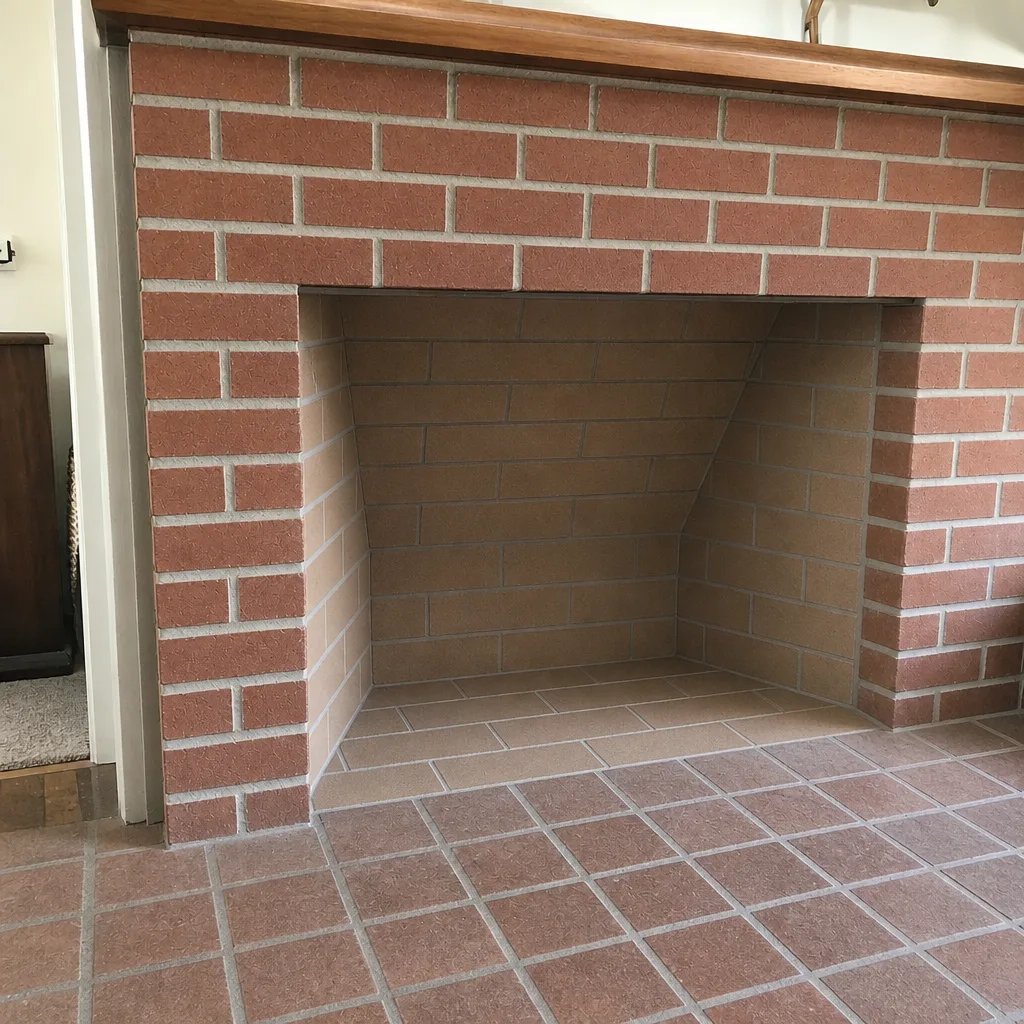
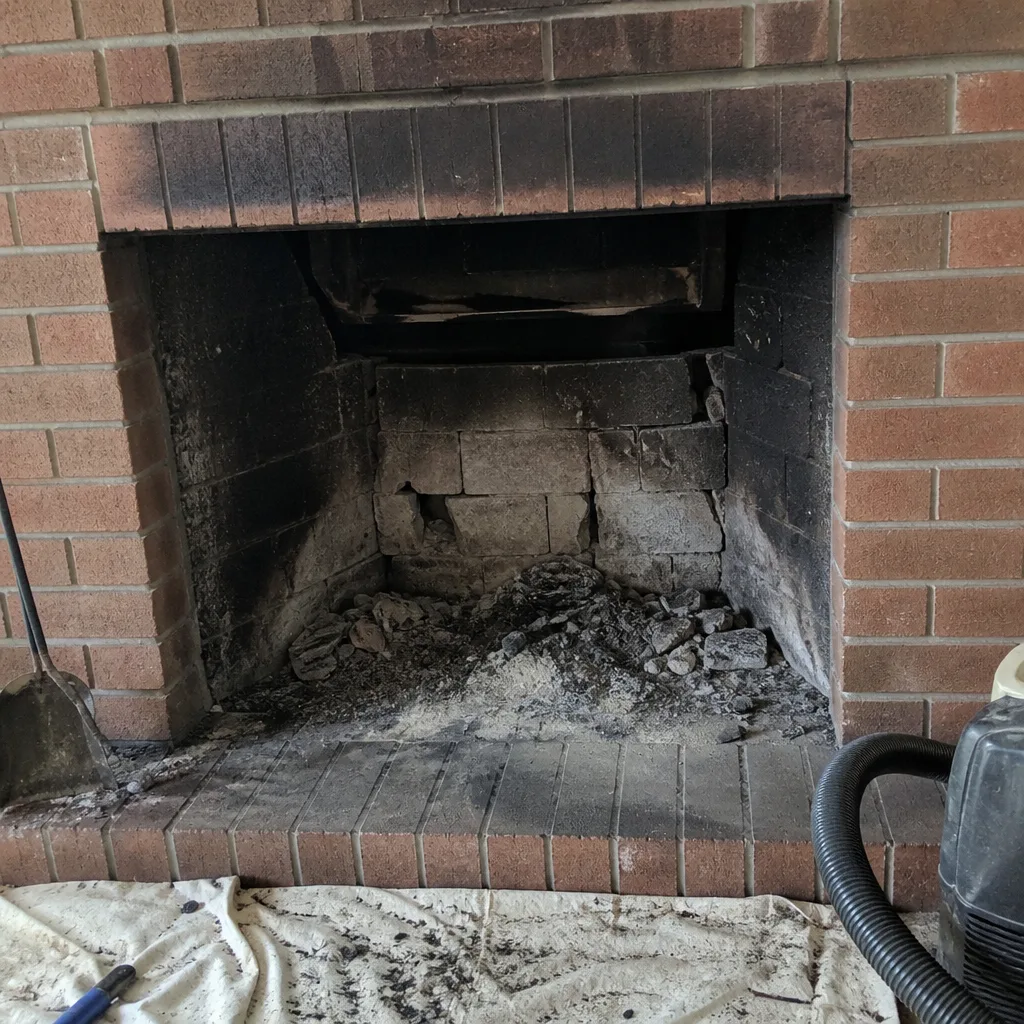
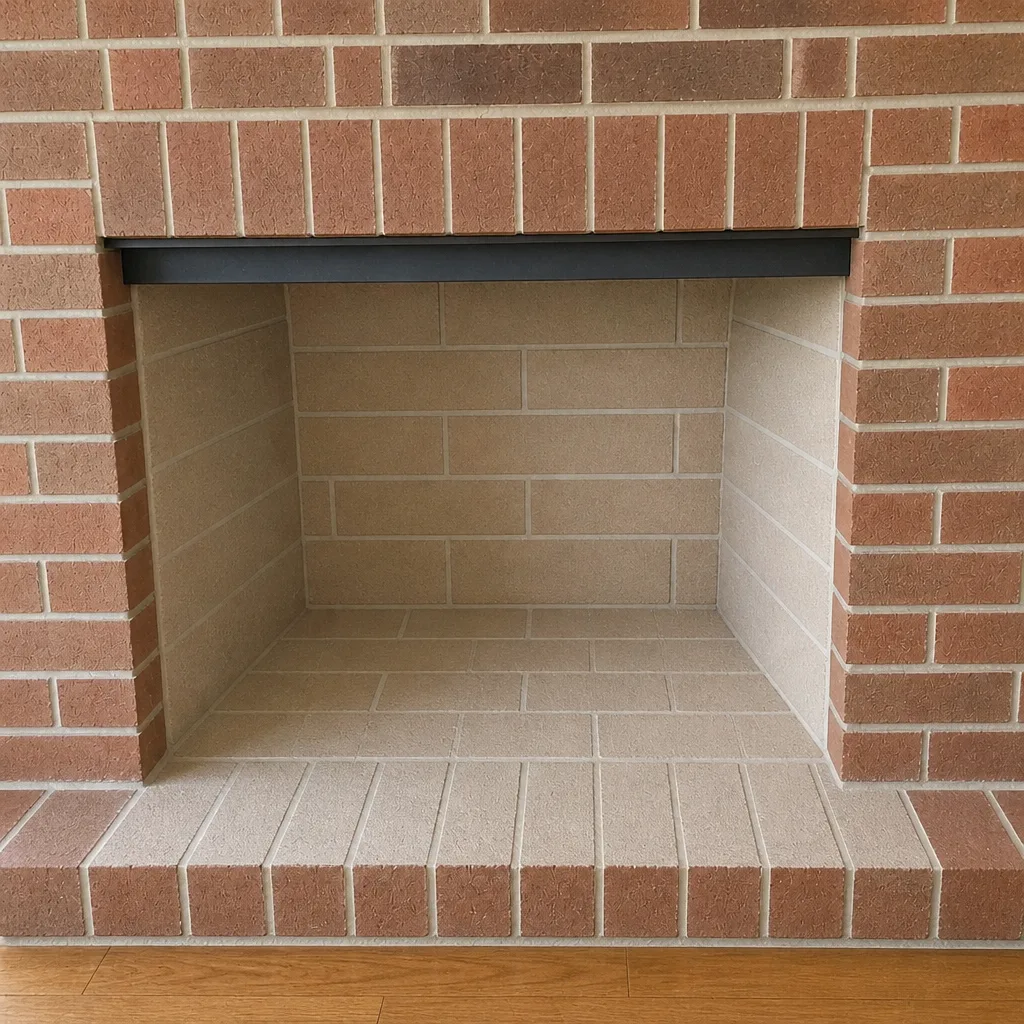
See the difference
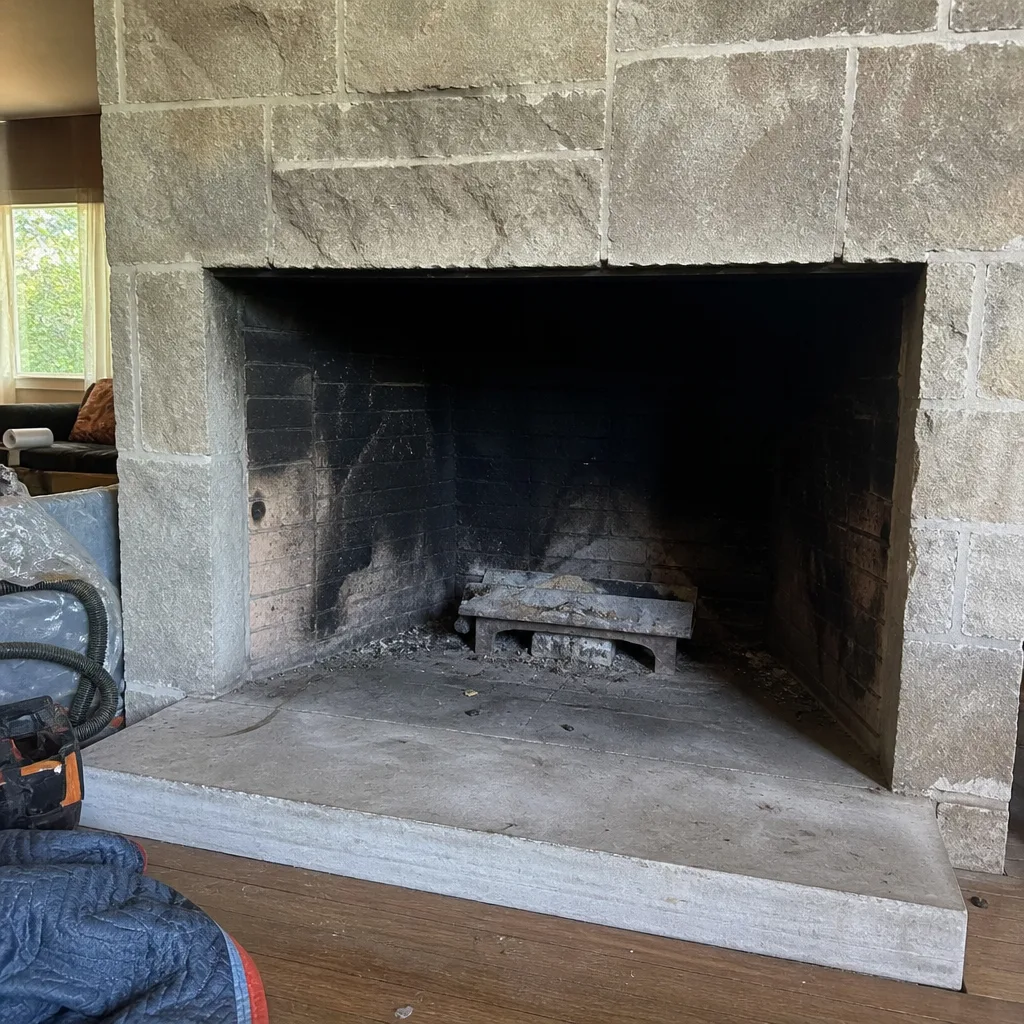 Before
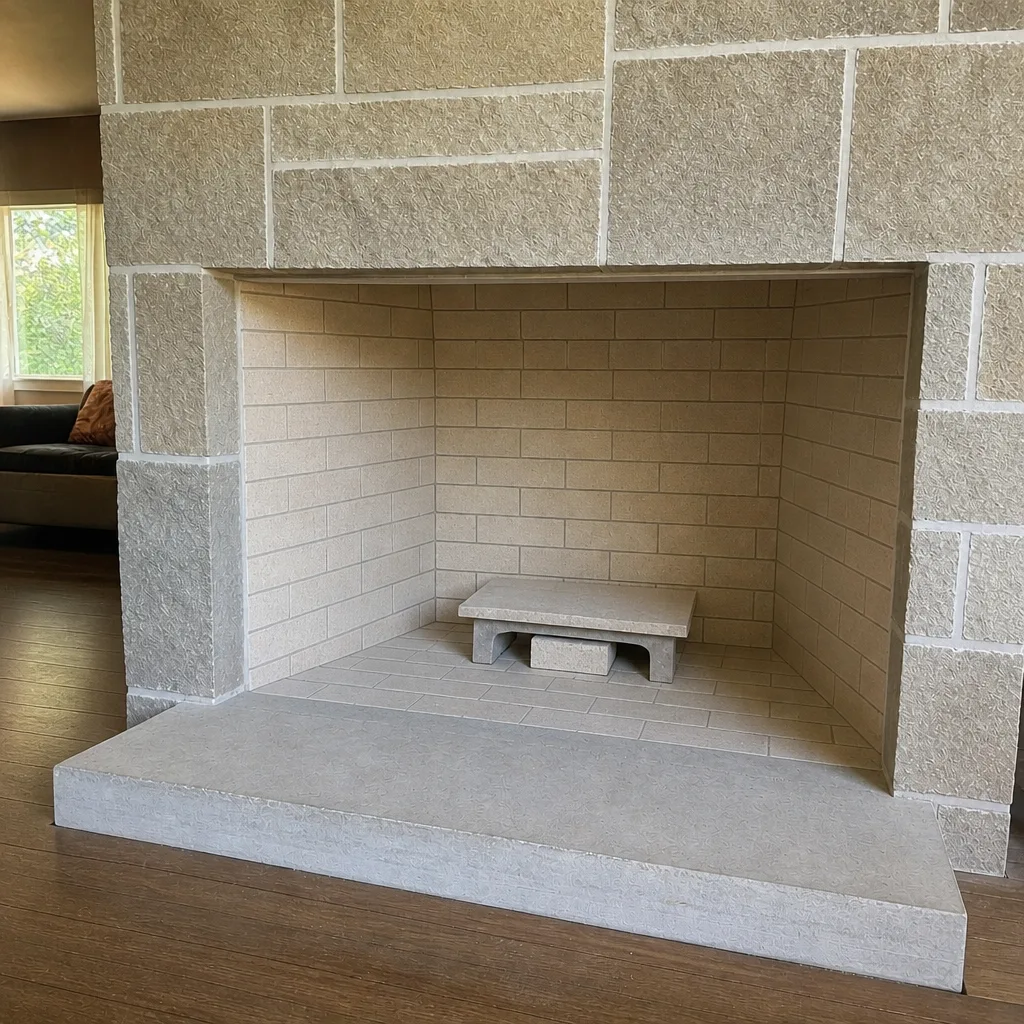 After
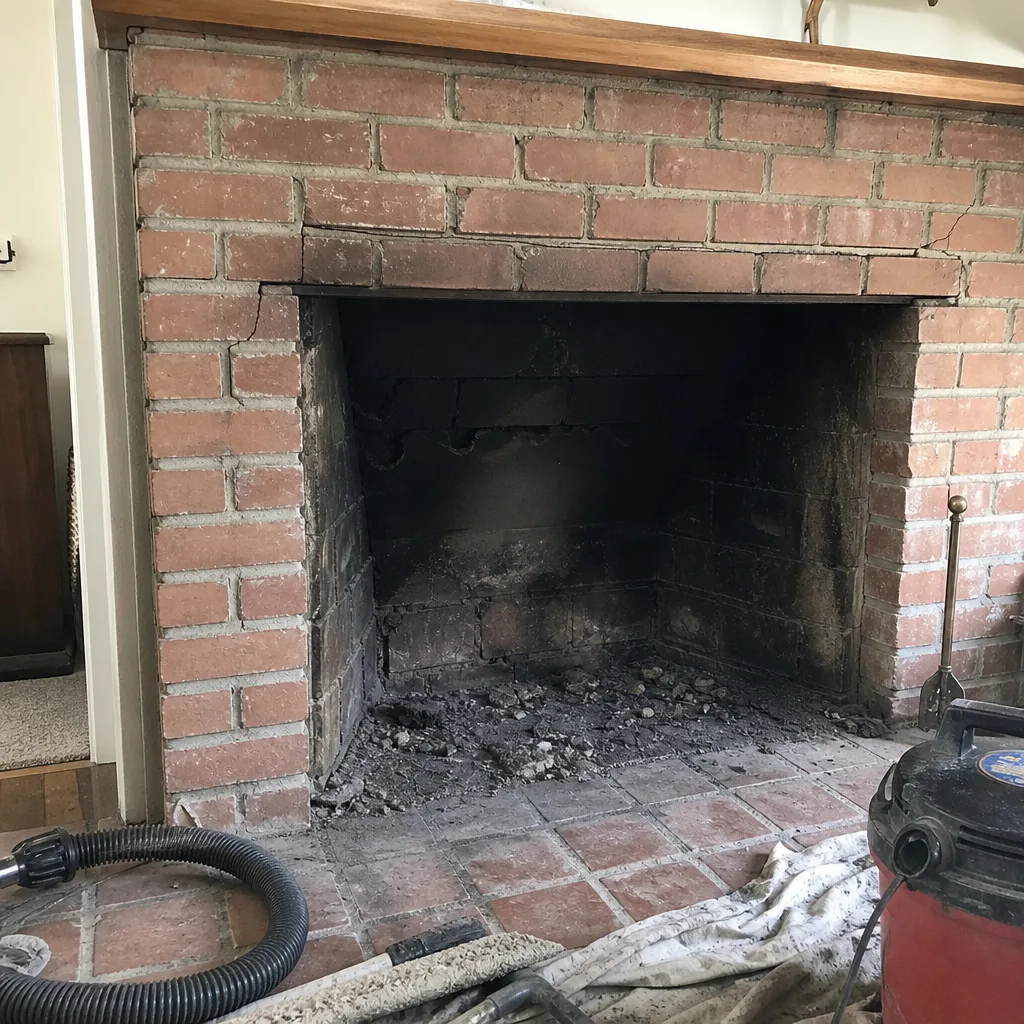 Before
 After
 Before
 After
When to Call a Professional
Call a professional when a warning sign has moved into tier two or three, when you can’t tell which tier it’s in, or when anything about your chimney has changed since last season. That includes smoke where it shouldn’t be, a draft that feels different, stains that have grown, a cap that’s come loose, or a first fire that doesn’t behave the way it used to. It also includes the safe version of the same rule: if you’ve just moved into a Northwood home and have never had the chimney checked, that’s the moment. Call a professional before the first fire is lit, not after.
Our technicians have up to 10 years of experience working on the full chimney system, from inspection through liner repair. We offer free estimates in Northwood. Call (855) 337-2036. We answer 24/7. Fast dispatch from 7am to 7pm, Sunday through Friday.
Frequently Asked Questions
The earliest signs are usually cosmetic: a soot film on the firebox that reappears quickly, an occasional smoky odor on warm days, or slight discoloration on exterior brick. These appear before functional problems like weak draft or smoke rollout. If you catch a chimney at the cosmetic stage, a routine sweep at your next annual service is usually all that’s needed. Call (855) 337-2036 for an exact quote on a sweep, or to ask whether what you’re seeing can wait.
Efflorescence is powdery or crusty, comes off with a dry brush, and reappears after cleaning; ordinary weathering is flatter and doesn’t return. The reappearance is the key test, because it means water is actively moving through the masonry. If the staining is growing in Northwood’s climate, it’s worth a look sooner than the next annual sweep. Call (855) 337-2036 to schedule an inspection and get a clear answer.
Gas inserts don’t produce the creosote that wood fires do, but they still have venting, a flue, and an exterior cap that need inspection. Signs like yellow flames, soot on the glass, or condensation on the insert are reasons to have it checked. Any persistent gas smell means stop using the insert and call right away. Call (855) 337-2036 if you’re unsure whether your gas insert’s signs warrant a visit.
Once a year for a home with a regularly used fireplace is the general rule, and it’s a good baseline for Northwood homes. A chimney that sees only a few fires a season still benefits from an annual look, because low use slows creosote buildup but doesn’t catch a failing cap, crown, or liner. If you’re noticing tier two or tier three signs, don’t wait for the annual date. Call (855) 337-2036 and we’ll get you on the schedule.
A sweep cleans soot and creosote out of the flue; an inspection evaluates the condition of the liner, smoke chamber, damper, cap, crown, and the rest of the system. You want both, because cleaning alone doesn’t reveal a cracked liner or a failing crown. Every sweep from us includes a camera inspection and a photo report, so the two come together. Call (855) 337-2036 to book a sweep and see what your system looks like inside.
Light soot on the firebox, occasional odor on warm days, minor staining that hasn’t changed, and a brief draft warm-up at first light can all wait for the annual service. Smoke rollout, weak draft, a sticking damper, soot falling into the hearth, cracked flue tiles, growing efflorescence, and any cap or crown damage should not wait. If you’re not sure which list you’re on, call (855) 337-2036. We answer 24/7, and estimates are free.
The Bottom Line
Warning signs have earlier warning signs. The cosmetic tier is your chance to act while the fix is small; the functional tier is your warning that the fix is growing; the structural tier is where waiting starts to cost more than the repair. The skill that matters most is sorting what you’re seeing into those tiers and knowing that a functional or structural sign doesn’t wait for the next scheduled sweep. For Northwood homeowners, the annual inspection is the anchor, and the camera report is what turns a look from the hearth into real information. Our technicians have up to 10 years of experience, we work with professional-tier materials like HeatShield and DuraFlex, and we handle the full system from inspection through cap and crown. If you’re ready to have your chimney looked at by someone who’ll tell you plainly what can wait, call (855) 337-2036. We answer 24/7. Fast dispatch from 7am to 7pm, Sunday through Friday. Estimates are free, and the written estimate sets the final price.
Written by the team at Chimney Sweep Northwood.