
Last updated November 24, 2026
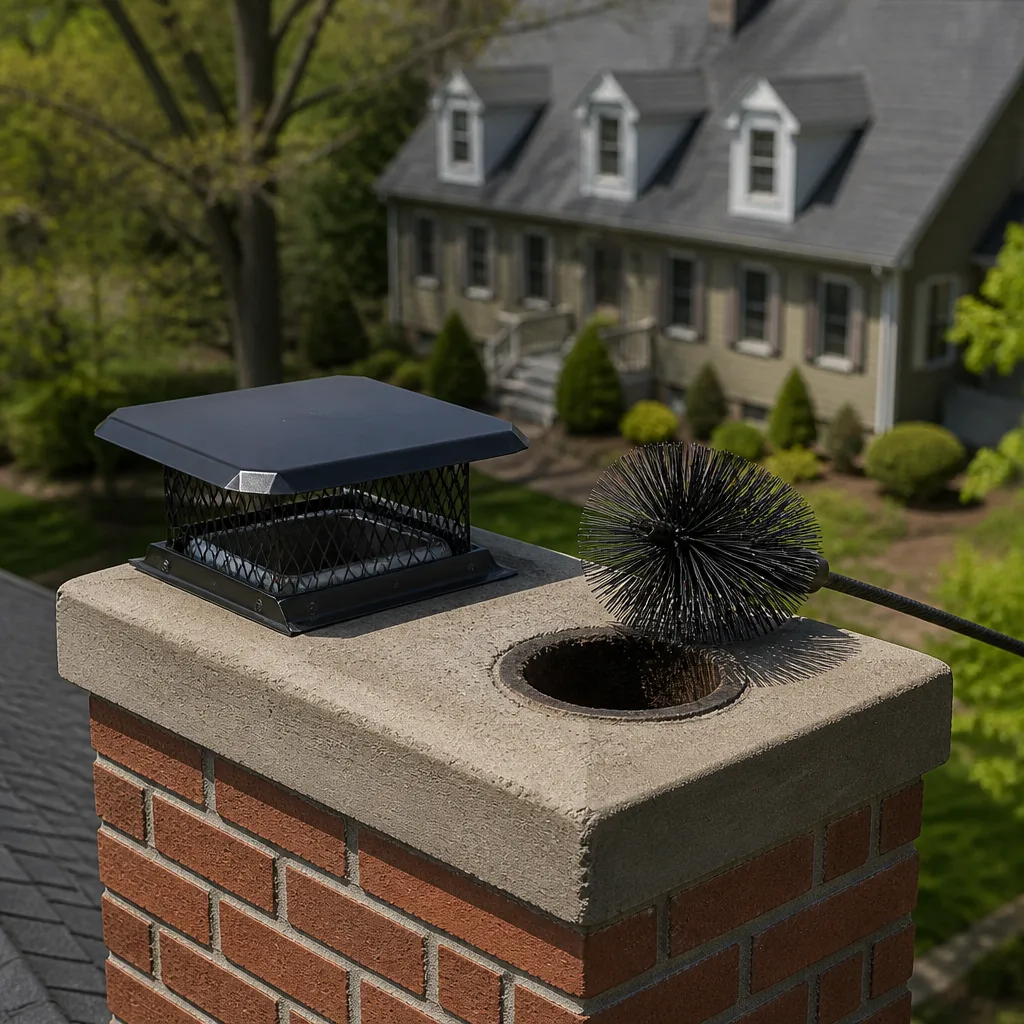 Sweep & inspection
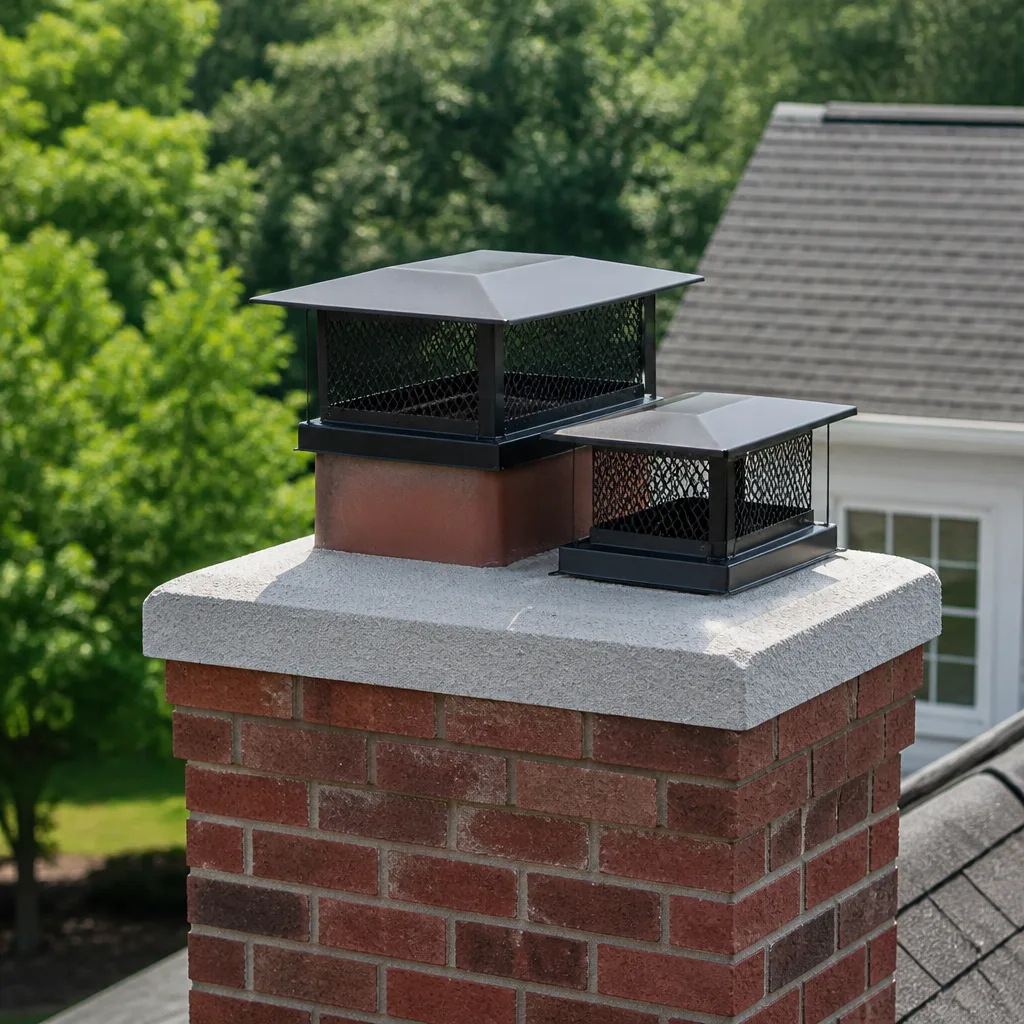 Caps & crowns
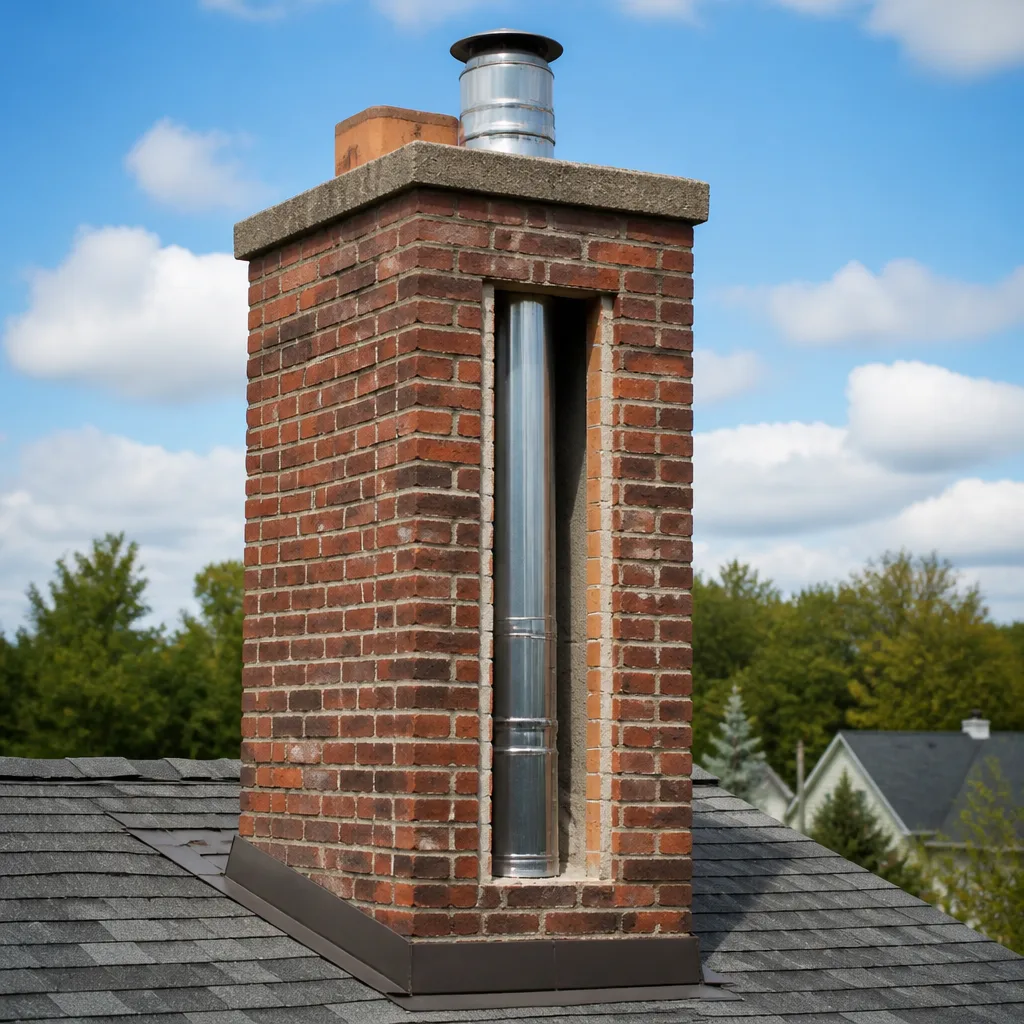 Flue relining
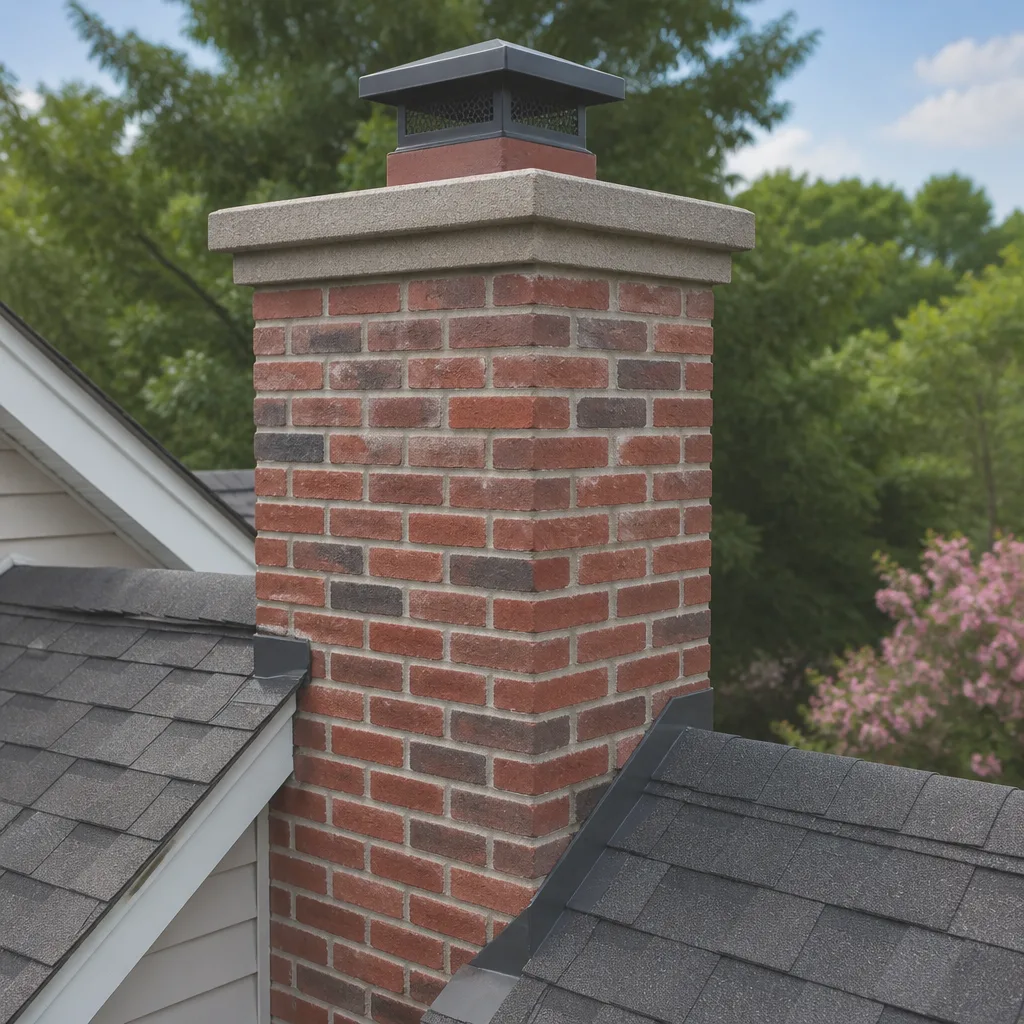 Masonry repair
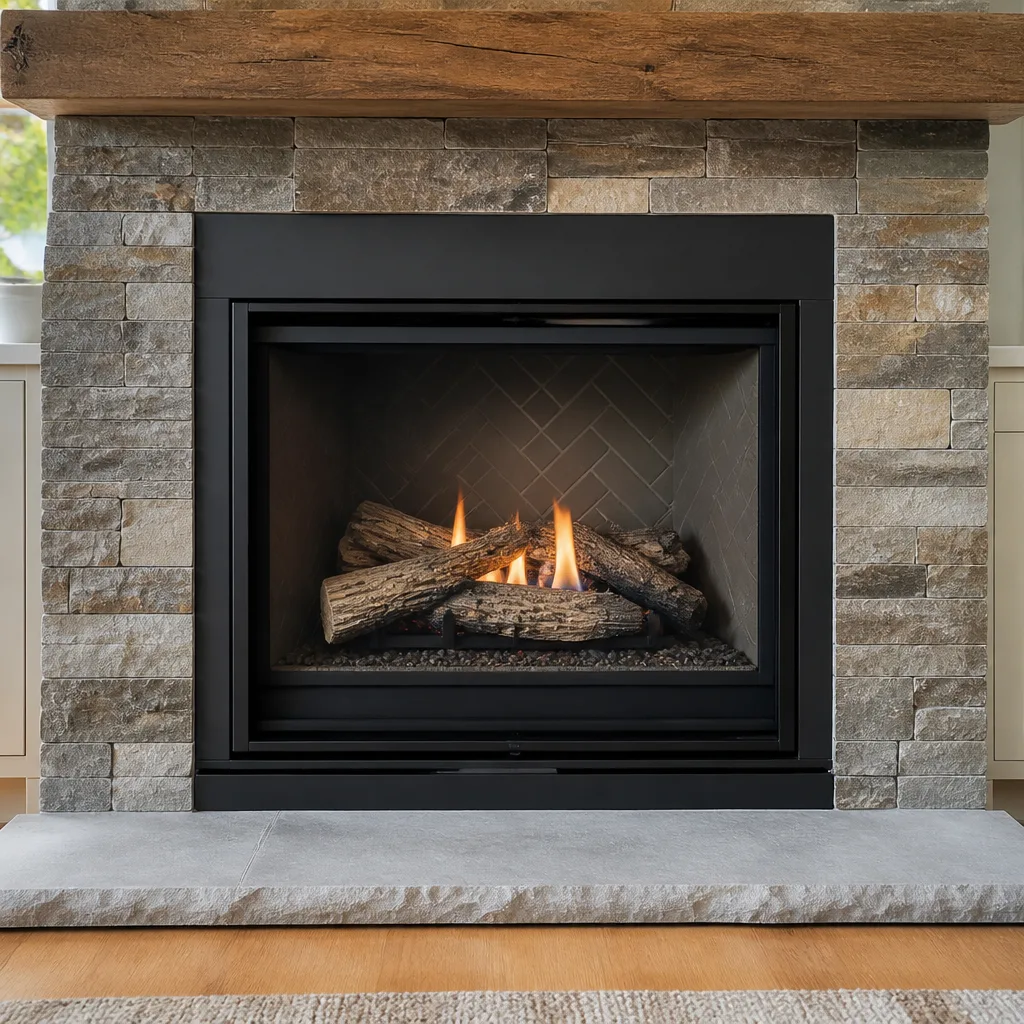 Gas fireplace service
Level 1 sweep and inspection to the NFPA 211 annual standard - flue, crown, cap, and flashing checked and photographed
Chimney sweep logs do not sweep chimneys. They loosen some creosote - which then falls where a brush and vacuum still have to collect it.
Seasonal Chimney Cleaning Care for Northwood: Year-Round Homeowner’s Guide
Most chimney guides you’ll find online follow the same script: sweep in the fall, before heating season, and you’re set. That advice assumes a climate with four distinct seasons and a long, cold winter. Northwood doesn’t work that way. Our fire season, dry offshore winds, and mild winters shift the maintenance calendar in ways national guides never account for. The most damaging stretch for a Northwood chimney isn’t January; it’s the late summer and early fall, when debris and nesting peak before you’ve lit the first fire of the year. This guide resets the schedule around how homes here actually live, month by month.
Quick Answer
In Northwood, the highest-priority chimney inspection window is late summer to early fall, before your first burn and after months of dry-season debris accumulation. A second check in late fall addresses Santa Ana wind events that force debris and ash into the flue and can affect cap and crown integrity, and a lighter maintenance pass in spring closes the loop after shoulder-season gas insert use. A national fall-only calendar misses the period when Northwood chimneys collect the most material.
Styles & brands we work with
- Sweep & inspection
- Caps & crowns
- Flue relining
- Masonry repair
- Gas fireplace service
Table of Contents
- Why Northwood’s Chimney Calendar Doesn’t Match National Guides
- Why Late Summer (August-September) Is Northwood’s Highest-Priority Window
- Santa Ana Winds and Your Cap and Crown: The Late-Fall Check
- Shoulder-Season Gas Insert Use and Irregular Burns
- Month-by-Month Homeowner Task Calendar for Northwood
- How to Winterize a Chimney That Sees Minimal Use
- What a Seasonal Sweep and Inspection Actually Involves
- Why the Materials in Your Chimney Matter
Why Northwood’s Chimney Calendar Doesn’t Match National Guides
National chimney guides are written for a climate that spends half the year with the heat running and a long stretch of freezing nights. Northwood isn’t that place. Winters here are mild, the heating load is light, and the fireplaces that actually get used are used sporadically rather than as the primary heat source. That changes what accumulates in a chimney and when.
When a fireplace runs hard all winter, the fire itself burns off a good deal of light creosote and keeps the flue warm and dry. When a fireplace runs a handful of times in December and February, the flue sits cold and damp between burns. Cool flue surfaces are exactly where creosote and moisture settle. Sooty, moisture-laden deposits that form during intermittent use are a different problem from the dry, hard glaze that forms under intense continuous burning, and they age differently.
The other half of the equation is what happens between burns. Northwood’s dry season drops leaves, seed pods, and fine grit onto roofs and into open flues. Screens that look fine from the ground can be packed tight by the time the first cool evening arrives. By the time a homeowner thinks about a sweep, months of that material have been sitting inside the chimney.
So the national calendar (“sweep every fall”) isn’t wrong here, it’s just late. By the time a conventional fall sweep would happen, the chimney has already sat through its most active debris-accumulation period. Add the late-fall wind events that push material through caps and around crowns, and the ideal Northwood pattern becomes two lighter checks per year rather than one heavy sweep after everything has already settled.
- Winters are mild, so the fire runs less and stays cold longer.
- Dry-season debris lands on and in the chimney before the first burn.
- Santa Ana wind events add a second hazard window in late fall.
- A fall-only sweep misses both.
The rest of this guide translates that into a schedule you can actually follow. If you’re new to the area or new to the home, the same calendar works whether you’ve had a fireplace lit every winter or never touched it since you moved in.
Why Late Summer (August-September) Is Northwood’s Highest-Priority Window
If you only schedule one chimney visit this year, make it the late-summer one. August and September in Northwood come at the end of the dry season, which means the accumulation that builds up over spring and summer is at its peak and hasn’t yet been burned through or loosened by winter activity. This is also the window when nesting activity and debris loading are most likely to have closed off or restricted a flue.
What’s actually in a Northwood chimney by late August? Mostly the fine debris that gets past a screen or around a loosened cap: dried leaf fragments, seed material from the trees that dominate local lots, dust, and grit that drifted in during any roof work. If the chimney hasn’t been capped properly, add small animal activity to the list. A family of birds or a squirrel that got in through an open flue in May has had the whole summer to build nests and leave material that will smolder and smoke badly the first time you light a fire.
Late summer is also the best time to look at the parts of the system that are harder to reach once the burn season starts. A sweep and inspection in August or September leaves time to address small problems – a cracked crown, a loose cap, a flue that needs resurfacing – before you need the fireplace. Work scheduled closer to December tends to be reactive.
What the late-summer visit should cover
- A full sweep of the flue to clear the season’s debris and any buildup from last winter.
- A visual inspection from the firebox to the top of the flue.
- A cap and crown check: cap tight, crown intact, no cracks at the mortar joint.
- A camera inspection if anything looks off, so you can see the flue interior for yourself.
- A clear written summary of findings, with any recommended work priced separately.
If you’re scheduling that first visit as a new homeowner, or you’re booking a seasonal clean for the first time in a while, a proper chimney sweep in Northwood includes the inspection. You shouldn’t have to book two separate visits to learn what condition your chimney is in.
Santa Ana Winds and Your Cap and Crown: The Late-Fall Check
Santa Ana wind events are the second calendar marker Northwood homeowners need to respect. These dry offshore winds arrive with real force, and what they do to a chimney is mostly about the top of the system: they drive debris and loose ash straight down open flues, they stress caps and crowns, and they create backdraft conditions that can push smoke back into the room even when a fire is burning cleanly.
A chimney that was clear in September can be loaded with roof grit, dry plant material, and ash by the time a strong wind event rolls through in November. If the cap screen was slightly loose or partially blocked, the wind finds it. Debris that was on top of the screen becomes debris that pushes through it. A crown with a hairline crack that survived summer can widen under repeated wind pressure, letting water in as soon as the first winter rain arrives.
This is why we recommend a short inspection after the first significant wind event of the season, not just a sweep before it. The visit is quicker than the summer sweep. It focuses on the things wind actually damages:
- Cap secure and screen clear, with no material pushed through.
- Crown surface intact, no fresh cracks at the mortar joint.
- No mortar displacement in the upper courses of brick or stone.
- Flue still clear from the top down.
- Dryer-vent and any adjacent roof penetrations unaffected.
If the crown does show damage, this is the point where a proper chimney cap & crown repair makes the most difference: sealing a small crack now is straightforward, and waiting means water intrusion into masonry that costs more to address later. We work with Gelco and Famco caps and crowns because they hold up to this kind of wind loading – not because any cap is magic, but because the fasteners and the crown material are designed for it.
Shoulder-Season Gas Insert Use and Irregular Burns
Shoulder season in Northwood means spring and fall, when it’s cool enough for a partial fire but not cold enough to run the fireplace consistently. Many Northwood homes run a gas insert during this stretch, and gas inserts change what a chimney needs, not just how often it burns.
The common assumption is that a gas insert “doesn’t need cleaning.” It doesn’t need the same kind of cleaning a wood fire does, but it isn’t maintenance-free either. Gas inserts produce water vapor as a combustion byproduct, and in a cool spring or fall flue that vapor has nowhere to go quickly. Over a season of intermittent use, that moisture condenses on cooler surfaces inside the flue and on nearby metal components and slowly works on metal, mortar, and the connections around the insert. None of that is dramatic until it is.
Irregular burn patterns also leave a particular signature on a fireplace. Wood that isn’t burned consistently can leave more visible soot staining on the firebox walls, and if a damper was left partially closed during a gas run, incomplete combustion deposits can build up faster than expected. In Northwood, where the burn cycle is naturally uneven, the shoulder seasons are when that irregularity is most visible.
What shoulder season means for your schedule
- Spring check: A short inspection in April or May, especially if the chimney ran a gas insert through the fall and spring. Focused on moisture, condensation, and connection condition.
- Interim visual: A homeowner-side look at the firebox and damper a couple of times through the season, noting any new staining, rust, or sticking.
- Pre-fall reset: The full late-summer sweep and inspection picks up where the spring check left off.
If you’ve noticed rust around an insert or a persistent damp smell in the firebox after a gas run, that’s the moment for a proper fireplace repair inspection. Small moisture problems in a gas system are straightforward. They get complicated when left in a cool flue for a whole season.
Month-by-Month Homeowner Task Calendar for Northwood
Here’s the calendar we recommend to Northwood homeowners. It’s built around when debris actually accumulates here, when the wind season peaks, and when the fire is in use – not around a national template.
- January: Mid-season check. Look up the flue from the firebox for obvious soot loading. Note any change in draft or smoke behavior. If the fireplace is getting regular use, the flue may need a mid-season sweep – call if you’re unsure.
- February: Last of the burn season. Keep an eye on firebox staining and damper operation. Book your late-summer sweep now if you prefer a specific window.
- March: End of burn season. Final use, then shut the damper. Note anything you noticed over the winter for the spring check.
- April-May: Spring inspection. Focus on moisture, gas insert connections, and any staining or rust. The shoulder season is when condensation problems show first.
- June-July: Low-activity months. Homeowner-side checks only. Cap visible from the yard, no obvious debris on the screen, no visible crown damage from ground level.
- August-September: The full late-summer sweep and camera inspection. This is the priority window. Address cap, crown, and flue resurfacing needs before burn season.
- October: First burn of the season. Confirm draft is clean, no smoke backing into the room, and damper operating smoothly. If a Santa Ana event hits, note anything that changes afterward.
- November-December: Post-wind cap and crown check, then the winter burn season. Watch for backdraft on windy days and book a mid-season sweep if the flue loads up.
Print the calendar or put it on the fridge. It’s intentionally uneven – Northwood doesn’t reward a rigid monthly rhythm. What matters is that the late-summer and late-fall visits land where the local conditions actually peak.
If you’d like a professional to walk through the system once so you can run the calendar with confidence, we handle the full chimney system – not just the sweep. That first walkthrough is usually enough to make the calendar obvious for the years that follow.
How to Winterize a Chimney That Sees Minimal Use
A chimney in Northwood that isn’t used heavily through winter needs winterizing – but not the deep freeze-protection winterizing you’d see in colder climates. What it needs is protection from becoming a pest entry point and from sitting tight and damp between rare burns.
Northwood’s winters are mild enough that animals look for shelter in chimneys year-round, not just when it’s cold. The risk isn’t seasonal, it’s the whole stretch when the flue is idle. A cap with an intact screen is the single most valuable piece of winterizing here, and it’s the one most often skipped.
Winterizing checklist for a lightly used Northwood chimney
- Cap check. Confirm the cap is secure and the screen is intact. Gelco and Famco caps are a reliable choice for this climate, with animal-resistant screens sized appropriately for the flue.
- Damper closed. Keep the damper closed whenever the fireplace isn’t in use. An open damper is a chimney-wide invitation.
- Firebox clear. No stored wood, paper, or debris left in the firebox through the idle months.
- Crown intact. A visual check from the yard is enough to spot wide cracks. Hairline cracks and moss don’t wait for spring.
- Moisture check at the base. A damp smell in the firebox during idle months, or rust around a gas insert, is a sign the flue is holding moisture. Worth a professional look.
- Chimney-adjacent debris cleared. Vegetation, dry leaves, or anything stored against the exterior of the chimney should come down before the wind season.
You don’t need to seal off the flue entirely. A sealed flue traps moisture and creates its own problems. What you need is the cap system doing its job, the damper closed, and the firebox clean. If the crown has genuine cracks, that’s where Olympia Chimney and Copperfield components come in – professional-grade parts that last because the material and the fit are right, not because they’re expensive.
What a Seasonal Sweep and Inspection Actually Involves
A proper seasonal service in Northwood is more than a brush on a pole. Here’s what actually happens on a well-run visit, in the order it should happen:
- Pre-service check. A visual outside look at the chimney, cap, and crown, plus a look at the firebox and damper before any cleaning starts.
- Floor and firebox protection. Drapes and drop cloths, so nothing comes into the room that has to be cleaned in turn.
- Sweep. The flue is brushed with the correct brush type for the liner material, with the firebox and smoke chamber cleaned afterward.
- Camera inspection. A camera through the flue catches what a visual look from the top or bottom can miss: cracked tiles, gaps in the liner, offsets, and glazed buildup.
- Cap and crown inspection. The top of the system gets checked directly, not just from the ground.
- Photo report and written summary. The findings, in plain language, with photos you can see for yourself. Nothing recommended without camera evidence.
Two things make a Northwood seasonal service more useful than a basic sweep. The first is a camera inspection with photos you actually see – not just a verbal “you need a new liner.” The second is a flat-price sweep agreed before the visit is booked, so there’s no surprise at the end of the job.
What a sweep should not do: recommend a repair you can’t verify. If the chimney’s in decent shape and the deposits are normal, tell you it can wait. A real seasonal service is honest about when nothing needs doing.
Why the Materials in Your Chimney Matter
When a chimney does need work, the materials it’s repaired with determine how long that work lasts and how well it performs in Northwood’s climate. This isn’t a brand-name issue, it’s a compatibility and durability issue. We work with a small number of professional-tier lines for exactly that reason.
DuraFlex liners
A DuraFlex liner is a full relining system: it gives a chimney a new, correctly sized flue surface when the original tile or masonry has failed or is unsafe. DuraFlex is designed to handle the flex required to follow the shape of a chimney interior while providing a stable, sealed liner. Not every company installs a full reline; a sweep-only outfit will refer that work out. We don’t. A reline is handled as part of the same visit chain as the sweep and inspection.
HeatShield resurfacing
HeatShield is a resurfacing system for a flue liner that’s compromised but not fully failed – a cracked tile or a rough interior that a proper reline isn’t yet necessary for. Applying it correctly requires a specific technique and training, and a lot of sweep companies don’t offer it. HeatShield capability matters because it means the correct option for a mid-stage flue might actually get offered, instead of the two extremes of “just clean it” or “replace the whole thing.”
Caps and components
Gelco, Famco, Olympia Chimney, and Copperfield caps and components are the parts that protect the top of the chimney and the connection points. In a Northwood chimney that deals with Santa Ana wind events and dry-season debris, the cap and its screen are doing real work. Cheap parts fail at exactly the wrong moment. Professional-grade fasteners, screens, and crowns stay put.
If you’re looking for a single point of contact across sweep, inspection, fireplace repair, chimney repair, and cap and crown installation, you can start at our Chimney Sweep Northwood page for the full picture of what we cover.
Common Mistakes to Avoid
- Following a fall-only national calendar. A sweep in October misses the August-September accumulation window when a Northwood chimney collects the most material. Move the priority visit earlier and add a late-fall cap and crown check.
- Assuming a gas insert doesn’t need attention. Gas inserts produce condensation and connection moisture that shows up in Northwood’s shoulder seasons. A spring inspection catches it before it becomes a repair.
- Skipping the cap and crown check after windy weather. Santa Ana wind events stress caps and crowns in ways ground-level checks don’t reveal. A cap that looks fine from the driveway can be loose or cracked at the top.
- Booking a “sweep-only” company for a system repair. If a sweep-only operation finds a failed liner, the next step usually means a second contractor. Booking full-system coverage up front saves the referral and the delay.
- Storing wood in the firebox through the idle months. Stored wood in the firebox is an open invitation for pests during the stretch when a Northwood chimney sits unused. Keep it clear.
- Accepting a new-liner recommendation without seeing the evidence. A proper camera inspection with a photo report is the whole point. If nobody shows you the interior, don’t commit to a reline.
- Leaving the damper open through winter. An open damper lets in moisture, cold air, and animals. Close it whenever the fireplace isn’t in use, especially through the idle months.
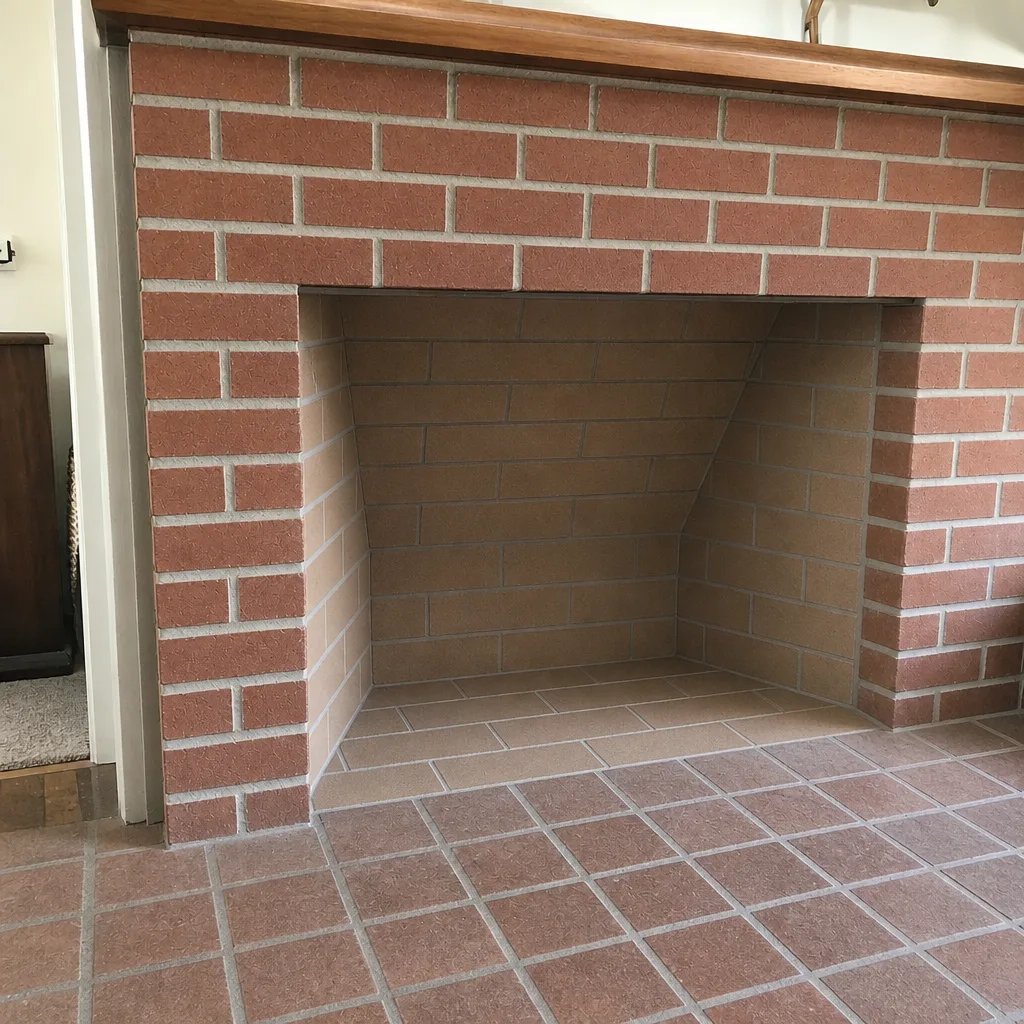
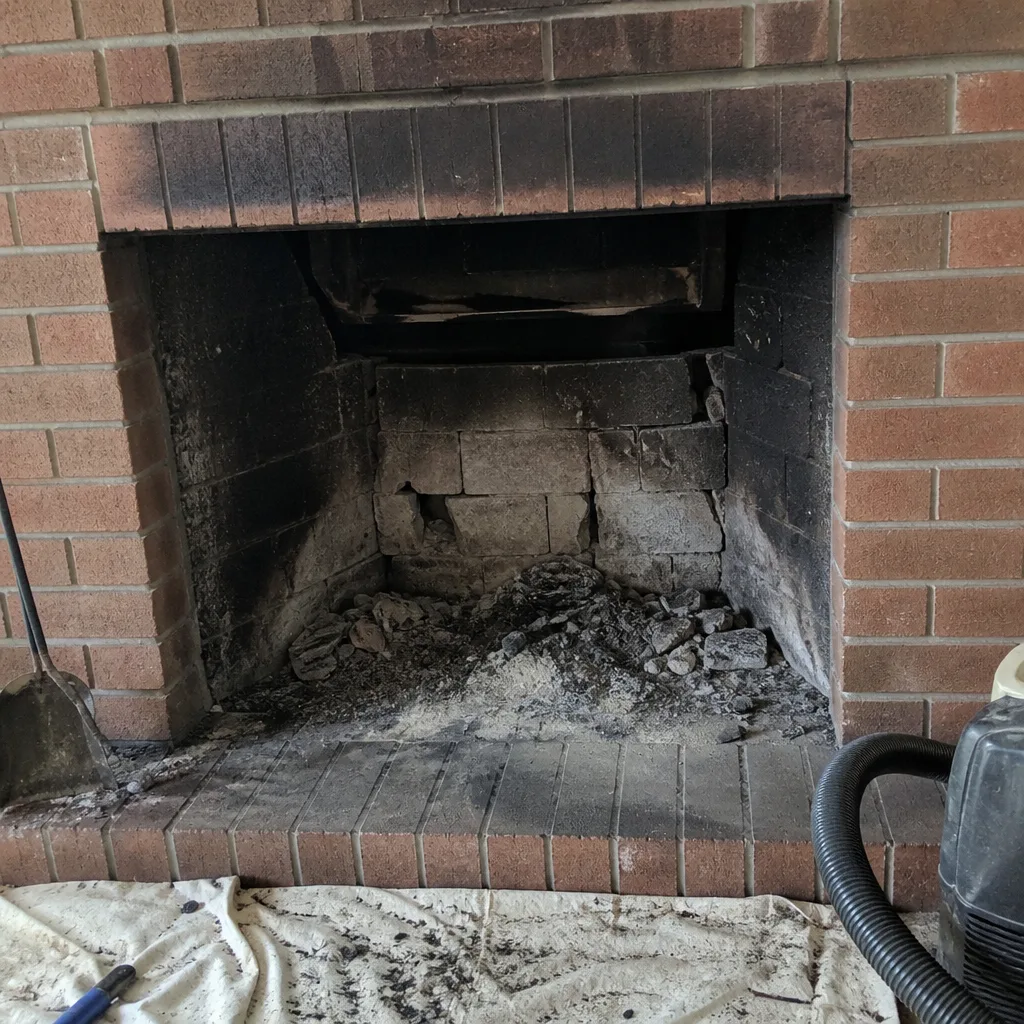
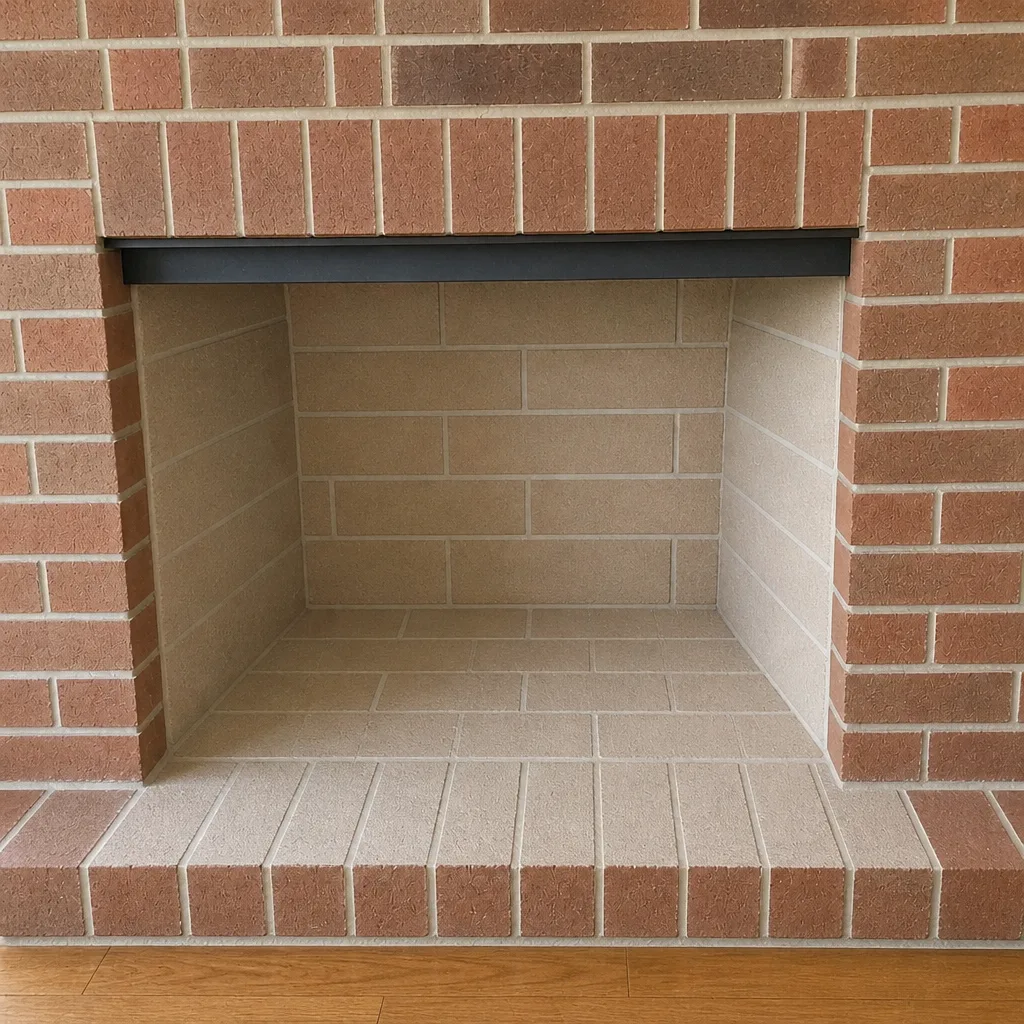
See the difference
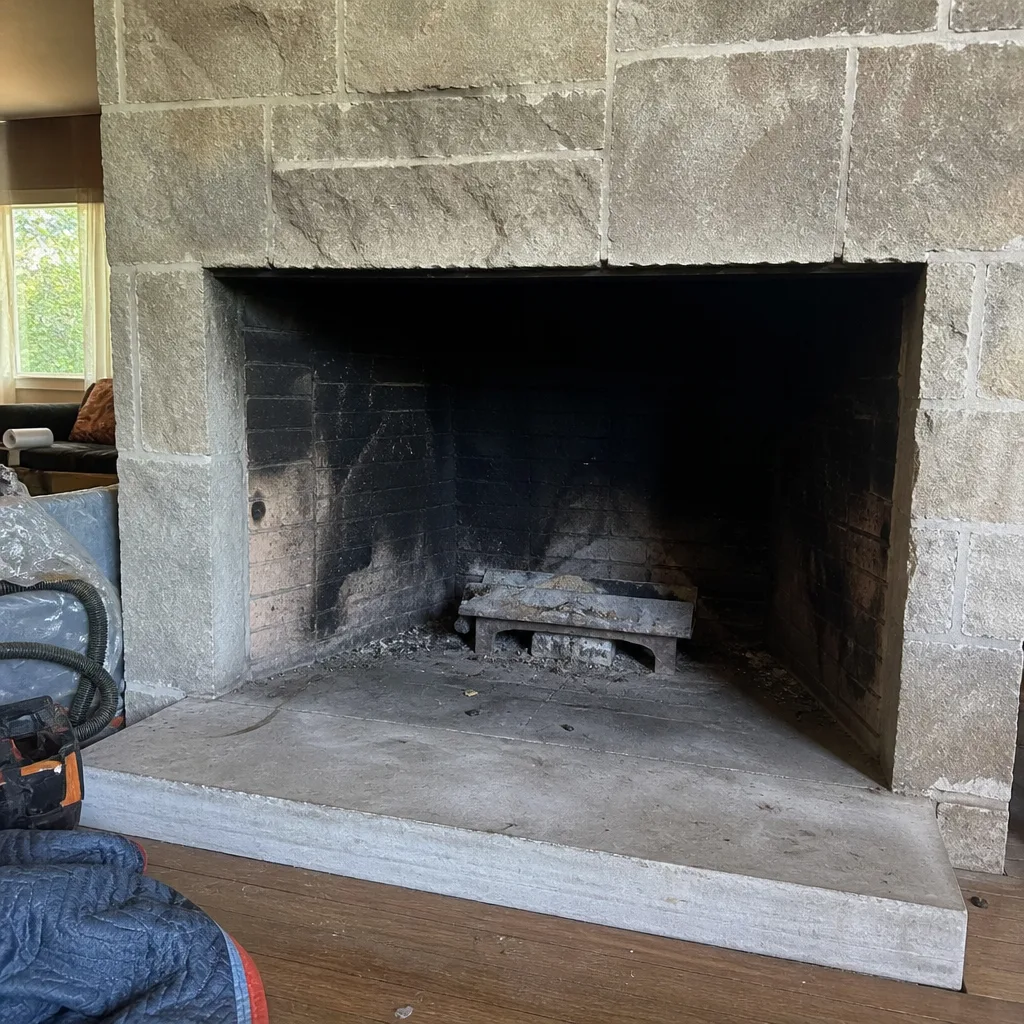 Before
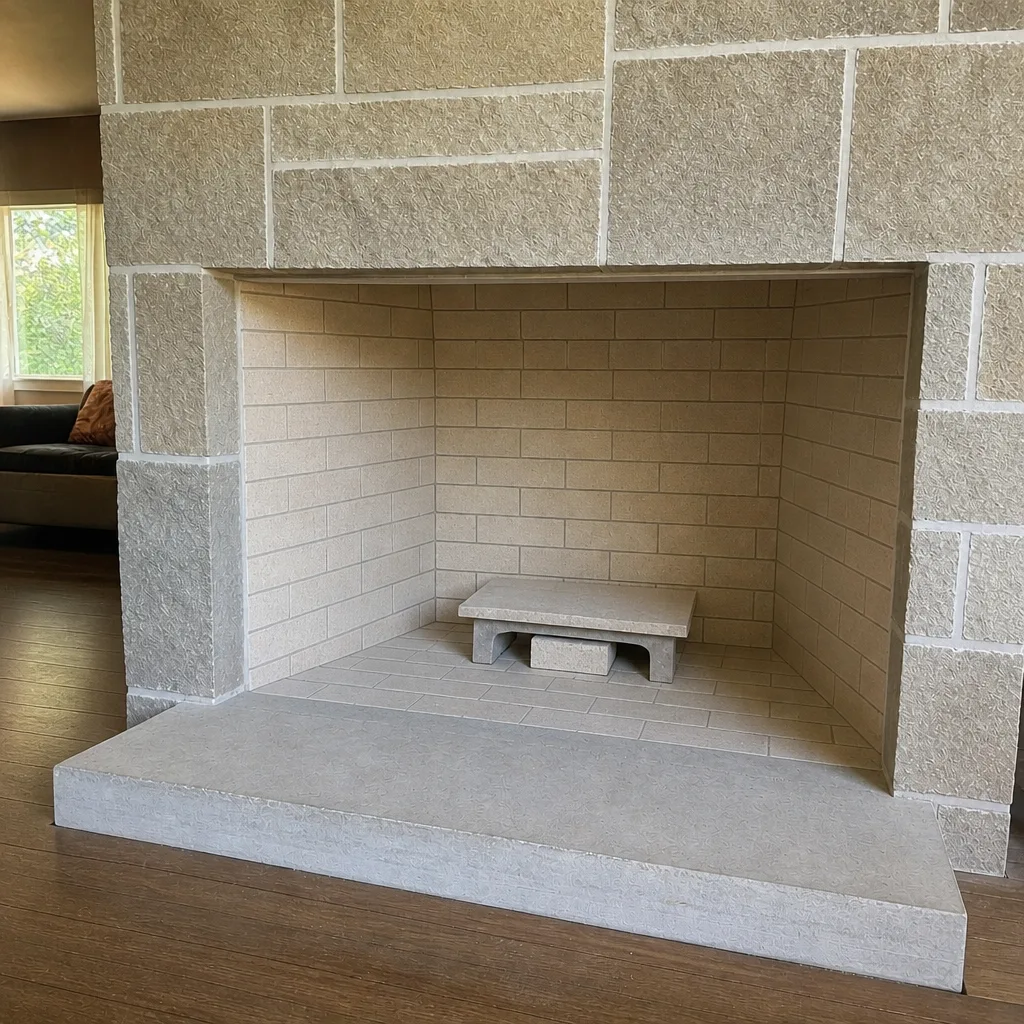 After
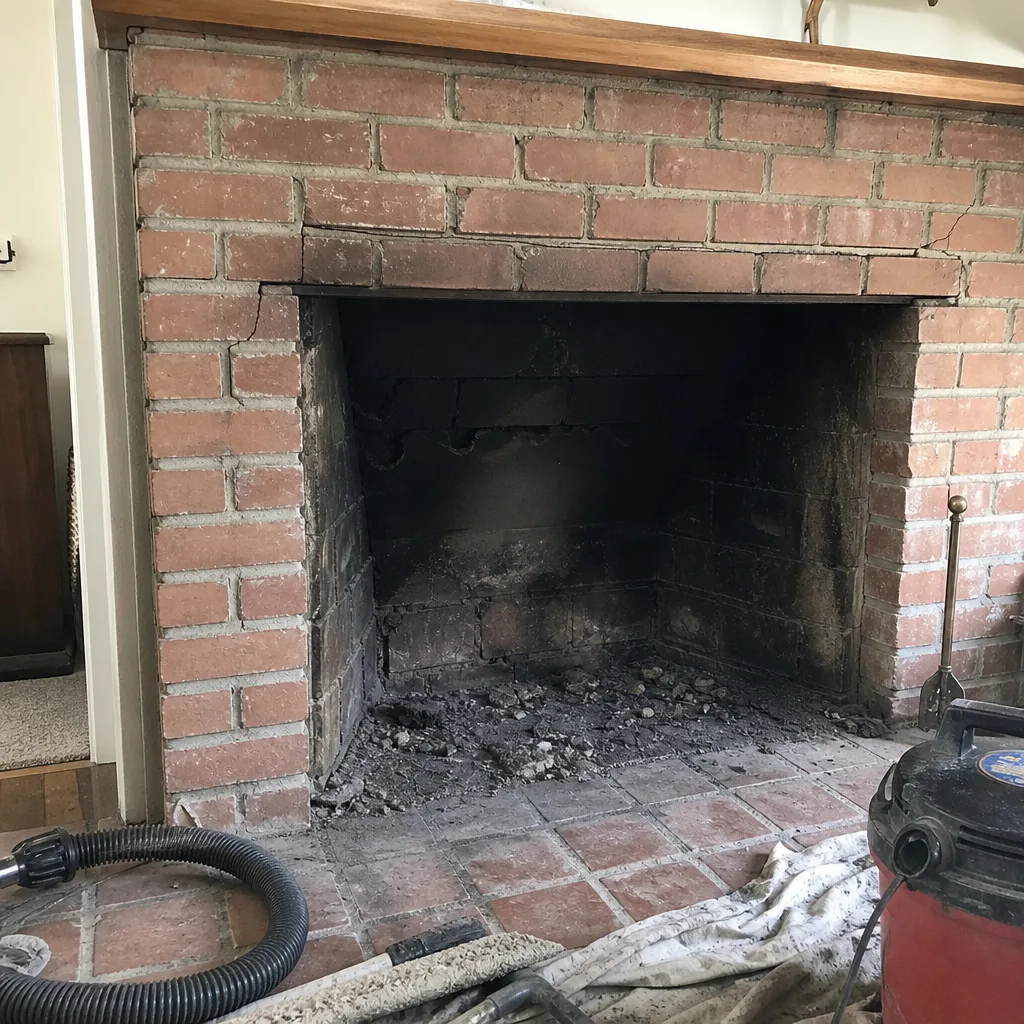 Before
 After
 Before
 After
When to Call a Professional
Some chimney work is homeowner territory – keeping the firebox clear, checking the cap from the yard, closing the damper. Anything involving the flue interior, the crown, or a gas insert connection belongs with a professional.
Call a professional if: smoke backs into the room on a windy day; soot or debris falls into the firebox when the fireplace is idle; you notice a persistent damp smell or rust around a gas insert; the cap looks damaged from the ground; the crown has visible cracks; or it’s been more than a year since the last sweep. Also call if it’s never been done – first-time inspection is one of the most valuable visits you’ll book, even if nothing turns out to be wrong.
Chimney Sweep Northwood offers free estimates in Northwood. Call (855) 337-2036. We answer 24/7. Fast dispatch from 7am to 7pm, Sunday through Friday. Our technicians have up to 10 years of experience, and the local pro is licensed and insured as their state requires. Every sweep is priced flat before booking, with a camera inspection and photo report included.
Frequently Asked Questions
A Northwood chimney should be swept at least once a year, with a priority visit in late summer, plus a light cap and crown check after the first significant wind event of the fall. Homes that burn consistently through winter often benefit from a mid-season sweep as well. Every season isn’t the same – the local pattern is two stops a year, not one heavy visit. Call (855) 337-2036 for an exact quote – estimates are free.
Late summer is the highest-priority window in Northwood because that’s when dry-season debris accumulation and nesting activity peak, before the first burn of the year. A fall sweep is still useful, but it comes after the chimney has already sat through its most active accumulation period. Moving the main sweep to August or September means the flue is clear before you need it. Call (855) 337-2036 for an exact quote – estimates are free.
A standard seasonal chimney sweep with an inspection is priced per job and confirmed in writing before we book, so you know the figure beforehand. The written estimate sets the final price. Anything extra – resurfacing, liner work, cap and crown repair – is quoted separately after the camera inspection, and you see the camera evidence before anything is recommended. Call (855) 337-2036 for an exact quote – estimates are free.
Only if the camera inspection shows your existing liner is compromised. Sometimes it isn’t – a flue with a minor crack may only need HeatShield resurfacing, not a full DuraFlex reline. We don’t recommend a liner without camera evidence you can see for yourself, and we’ll tell you plainly if the system is safe and the work can wait. Call (855) 337-2036 for an exact quote – estimates are free.
Skipping one season in a Northwood chimney isn’t a guaranteed disaster, but it means the next inspection is doing more of the catching up. Dry-season debris collects regardless. Cap screens block. Small crown cracks widen. A skipped season usually means the next sweep takes longer and the inspection covers more ground. The right answer is usually: get the inspection, see what’s actually there, and decide from evidence. Call (855) 337-2036 for an exact quote – estimates are free.
A gas insert doesn’t need the same kind of sweep a wood fire does, but it does need periodic inspection – especially in Northwood’s shoulder seasons. Gas combustion produces moisture that condenses in a cool flue, and over a season of intermittent use it can work on metal and connection components. A spring inspection catches this early. Call (855) 337-2036 for an exact quote – estimates are free.
The Bottom Line
Northwood’s chimney maintenance rhythm doesn’t follow a national template. The most damaging period here is the dry-season accumulation that ends just before you light the first fire, not the winter cold. Shift your priority visit to late summer, add a cap and crown check after the first significant wind event of the fall, and keep a light spring check on any gas insert system. Book a professional sweep with a camera inspection once a year, see the photos for yourself, and let the camera drive what gets repaired – not a sales pitch. Print the calendar. Keep the damper closed when the fireplace is idle. Call us when something changes.
Ready to lock in your late-summer sweep, or just get a free estimate? Call (855) 337-2036. We answer 24/7. Fast dispatch from 7am to 7pm, Sunday through Friday. A flat-price sweep agreed before booking, a camera inspection and photo report included, and a satisfaction guarantee on the work we do.
Written by the team at Chimney Sweep Northwood.