
Last updated November 24, 2026
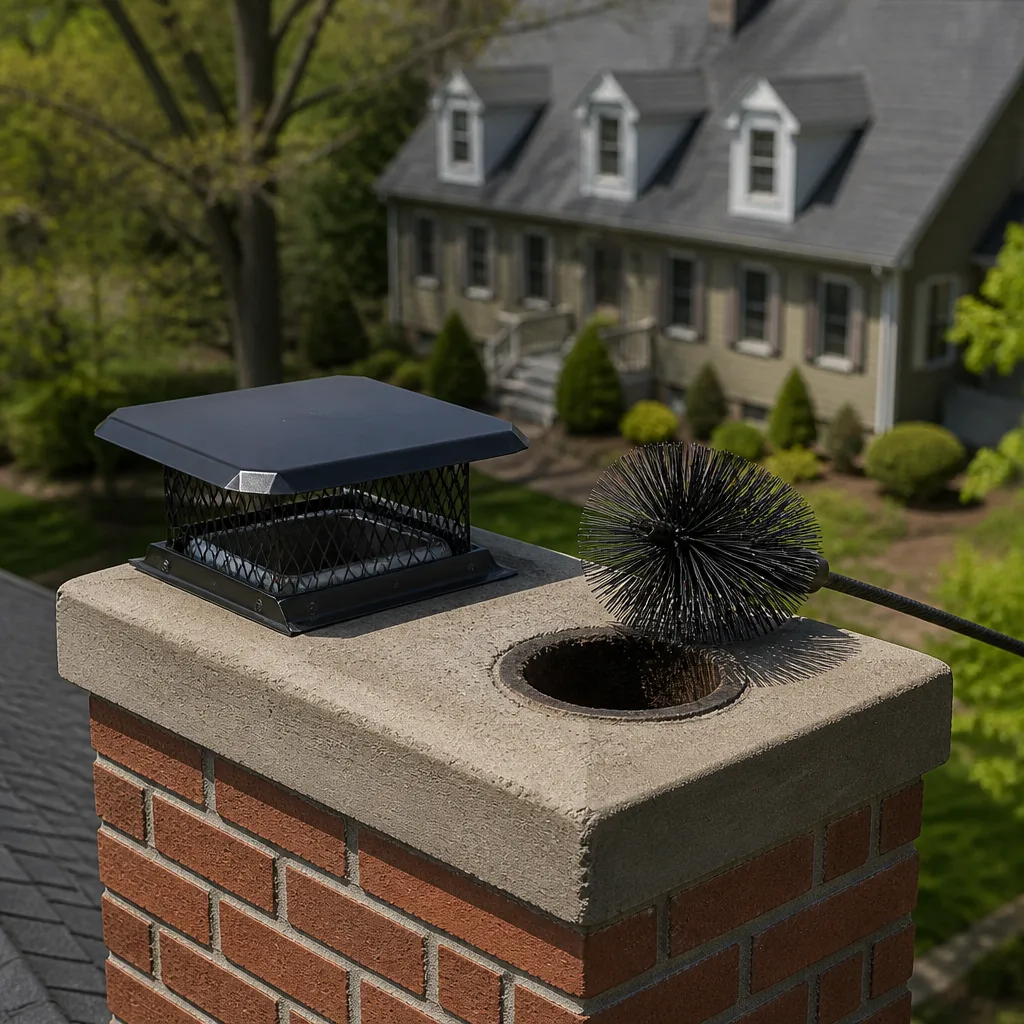 Sweep & inspection
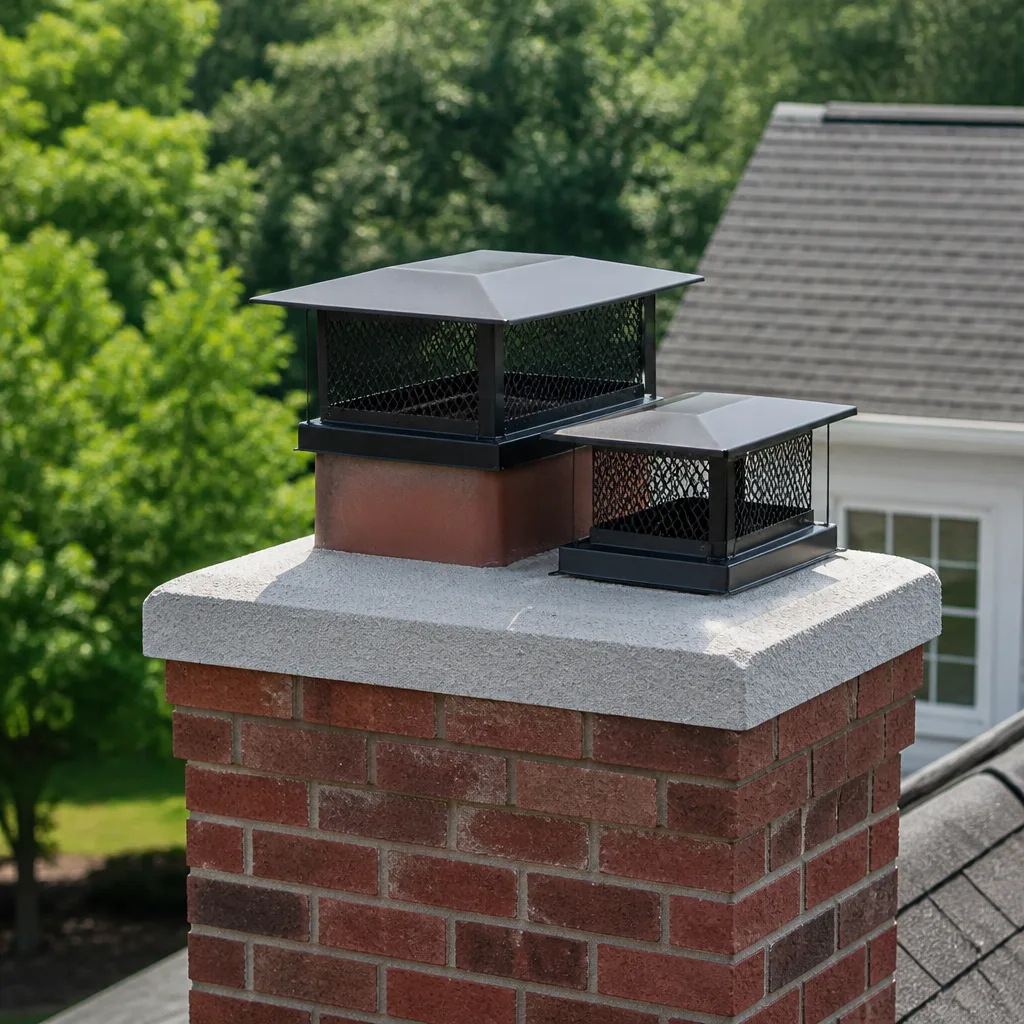 Caps & crowns
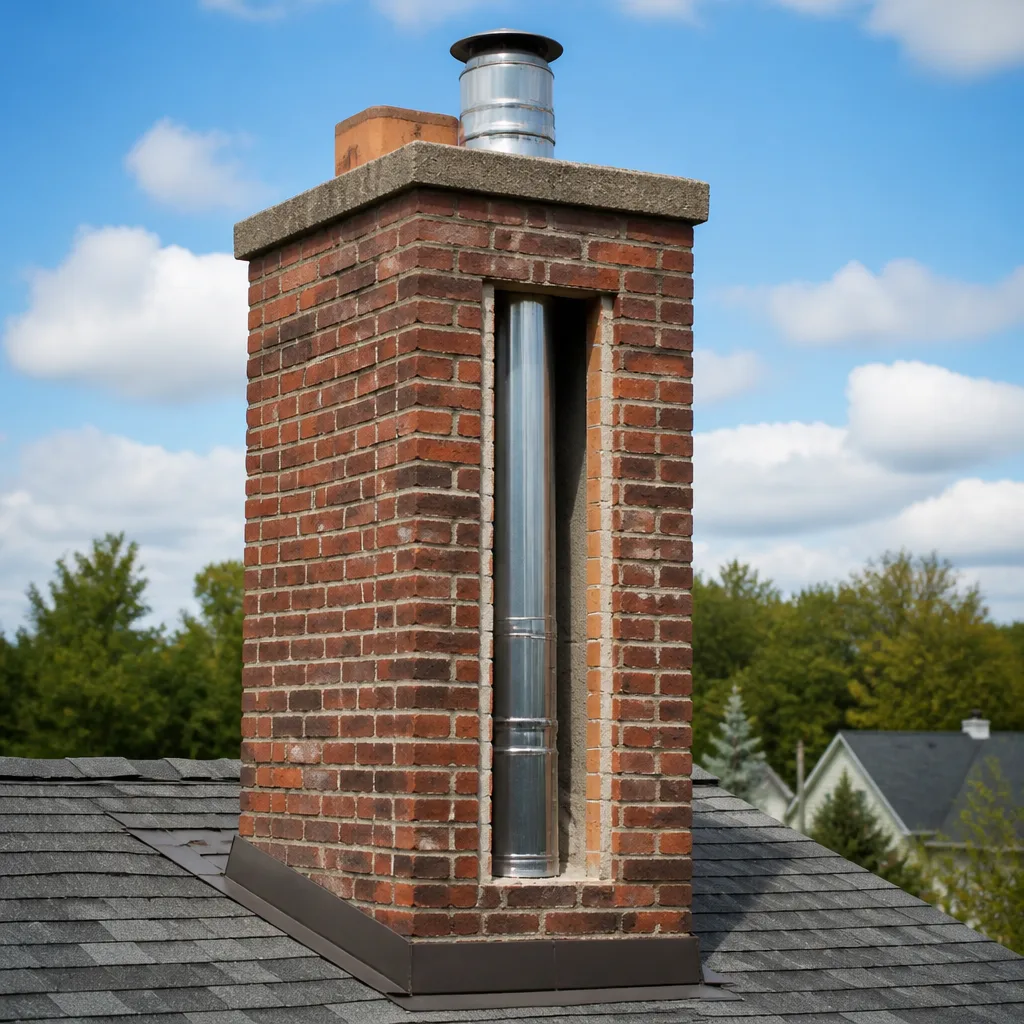 Flue relining
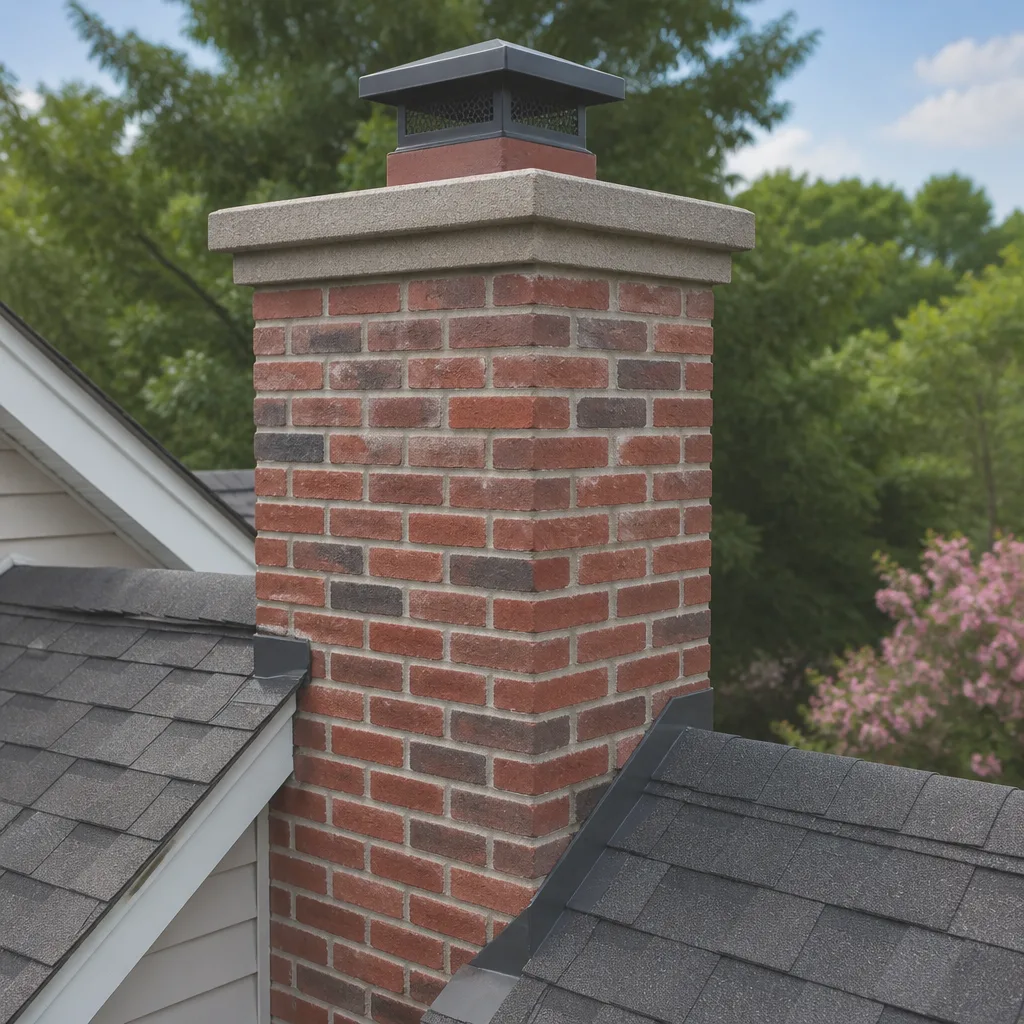 Masonry repair
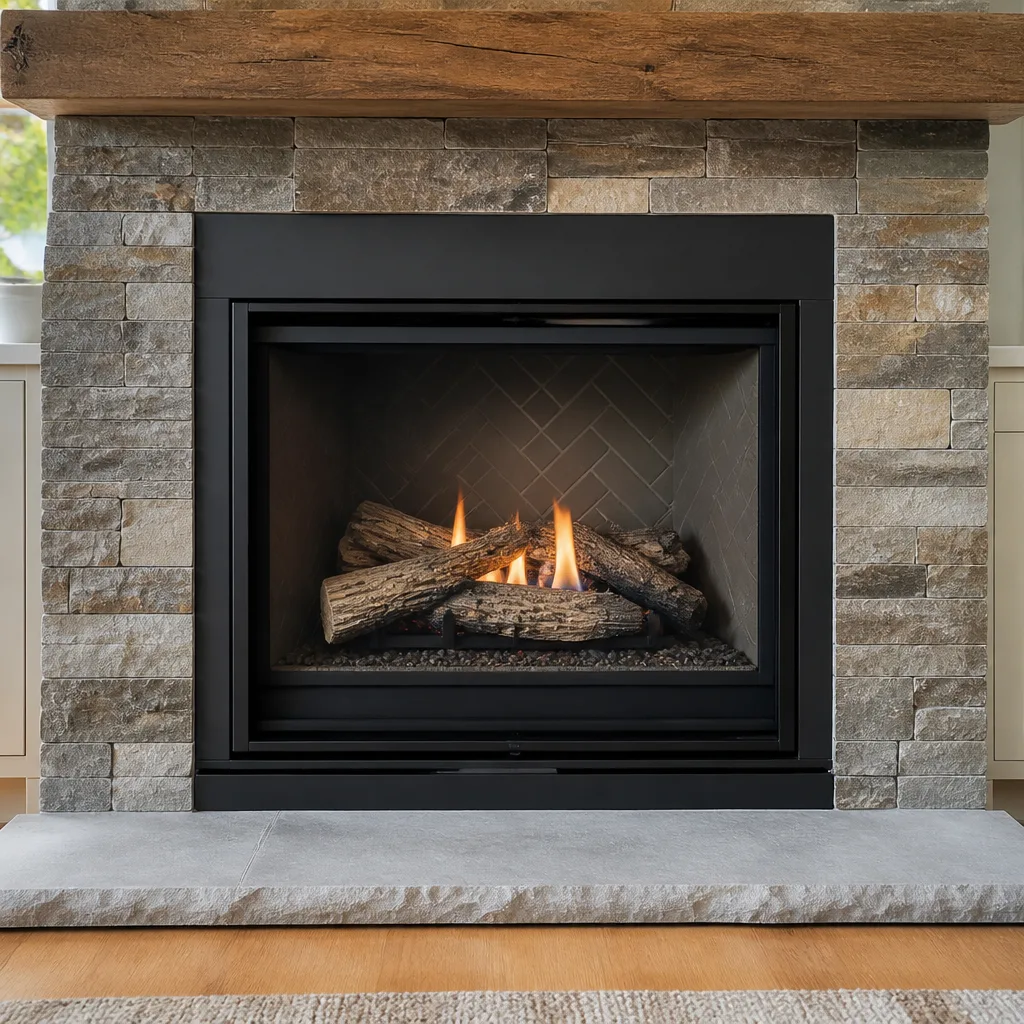 Gas fireplace service
Level 1 sweep and inspection to the NFPA 211 annual standard - flue, crown, cap, and flashing checked and photographed
Chimney sweep logs do not sweep chimneys. They loosen some creosote - which then falls where a brush and vacuum still have to collect it.
Chimney Sweep Troubleshooting in Northwood: Common Problems and How to Fix Them
If your chimney smokes into the room every time you light a fire, another cleaning probably won’t solve it. Neither will a second sweep, a new grate, or cracking a window an inch wider. In our experience, the problems homeowners actually notice – smoke rolling out of the firebox, a creosote smell in July, white chalky stains on the brick – usually point to a specific, diagnosable cause, and cleaning alone leaves that cause sitting right where it was. This guide maps the symptoms you can see to the mechanical and structural problems behind them, tells you which fixes are safe to attempt yourself and which need a technician, and explains when a visual check is enough and when you need a camera inside the flue. Northwood homes have their own quirks here, so we’ll cover those too.
Quick Answer
Most chimney problems fall into four groups: airflow problems (smoke backdraft, weak draft), creosote and soot buildup, moisture damage (white staining, crumbling mortar, spalling brick), and structural failures (cracked flue tiles, warped dampers, failed crowns). A sweep fixes only the buildup category. Everything else needs inspection and repair, and a cleaning done first can hide the real diagnosis. Stop using the fireplace immediately if you smell gas, see heavy creosote with glazing, notice a damper that won’t move, or find cracked or displaced flue tiles – call a professional before you light another fire.
Styles & brands we work with
- Sweep & inspection
- Caps & crowns
- Flue relining
- Masonry repair
- Gas fireplace service
Table of Contents
- Symptom-to-Cause: What Your Chimney Is Telling You
- The Problems Cleaning Cannot Fix
- Northwood’s Climate and What It Does to Your Chimney
- Level 1, 2, and 3 Inspections: When You Actually Need a Camera
- Stop-Use Criteria: When to Shut the Fireplace Down
- What You Can Safely Check Yourself vs. What Needs a Pro
- Repair Options: Resurfacing vs. Relining vs. Rebuilding
Symptom-to-Cause: What Your Chimney Is Telling You
Chimneys rarely fail silently. They send signals – smell, color, smoke behavior, sound – and each signal narrows the diagnosis fast. Here’s how we read them. The trick is resisting the urge to treat the symptom (give it a sweep!) without finding the cause first. A proper diagnosis starts with what you observe and works backward to the mechanism.
- Smoke rolling back into the room when you light a fire: Usually negative air pressure inside the house, a blocked or partly closed damper, an undersized flue for the firebox opening, or a flue that’s too short above the roofline. On mild Northwood days with the house closed up and the kitchen exhaust running, negative pressure is a common culprit.
- Creosote smell in summer, worse on hot days: Baked-on creosote in the flue releasing odor as temperatures rise, or soot deposits in the smoke chamber. It can also mean a downdraft pulling air down a cool flue. Not dangerous on its own, but it signals buildup that needs removing before the next burn season.
- White chalky staining on exterior brick or mortar: Efflorescence – mineral salts pushed to the surface by moisture moving through the masonry. It means water is getting in somewhere, often through a failed crown, missing cap, or cracked mortar joints.
- Spalling brick (faces flaking or popping off): Moisture trapped inside the brick freezing or expanding and pushing the face off. Structural, not cosmetic. It progresses.
- Rust on the damper or firebox metal: Water intrusion from above, usually a crown or cap problem. Metal parts rust from the top down.
- Rumbling or popping sounds when the fire is burning: Can indicate a chimney fire in progress from a heavy creosote load, or expanding metal. Either way, get out and call the fire department if it’s ongoing.
- Weak draft, smoky smell even when not burning: Blockage (bird nest, leaf debris, collapsed tile), a flue that’s too large for the appliance, or a house that’s too tight and starved of makeup air.
Match your symptom to the list above and you’ll have a reasonable idea of what you’re dealing with before anyone knocks on the door. It also helps you ask better questions during the inspection.
The Problems Cleaning Cannot Fix
A chimney sweep removes soot, creosote, and debris. That’s it. Nothing else. It’s important to be clear about this, because plenty of homeowners book a sweep expecting it to solve a smoking problem, and the smoke comes right back the first cold night. Some of the most common chimney problems are physically outside the reach of a brush and vacuum.
- A warped or seized damper: The damper is a metal plate at the top of the firebox that opens and closes the flue. Over years of heat cycles it warps, rusts, or seizes. A brush passes by it; it doesn’t repair it. A warped damper that won’t open fully chokes the fire and causes smoke backup regardless of how clean the flue is.
- Cracked or spalled flue tiles: The clay tiles lining the flue protect the surrounding masonry from heat and gases. Once cracked, they admit heat and moisture into the structure and let carbon monoxide escape into the house. A camera reveals this; a brush can slide past a crack without noticing it.
- A failed crown: The concrete cap on top of the chimney sheds water away from the flue and masonry. When it cracks or crumbles, water enters the chimney from above. A cleaning leaves that water path completely untouched.
- Missing or damaged cap and spark arrestor: An open flue top lets in rain, birds, squirrels, and debris. A cleaning clears what’s inside; without a proper cap, the next bird arrives within a season.
- Deteriorated mortar joints: Crumbling mortar between bricks lets moisture in and weakens the structure. Cleaning is a surface treatment; repointing is the fix.
- Undersized or oversized flue: If the flue was never sized correctly for the firebox or appliance, no amount of cleaning will fix the drafting problem. This is a design issue and often requires a liner change to resolve.
That’s why doing a cleaning first can actually mask the real diagnosis. The sweep clears the soot, the flue looks fine from the ground, and the underlying structural failure – the cracked tile, the failed crown, the seized damper – sits there until it causes a bigger problem. A proper inspection comes before the cleaning, and the two are separate services. We handle the full chimney system – not just the sweep – which means the same visit can catch and address structural problems instead of leaving them for a second contractor.
Northwood’s Climate and What It Does to Your Chimney
Northwood sits inland from the Southern California coast, which means mild winters, warm dry summers, and a distinct marine influence that shows up as morning moisture and occasional fog. That combination is harder on a chimney than the moderate temperatures would suggest. Here’s what we see repeatedly on Northwood chimneys.
Moisture swings and mortar joints. The marine layer pushes humid air against exterior masonry in the cool hours, then the sun dries it out by midday. That wet-dry cycling works on mortar joints the same way a tide works on a seawall – slowly, then all at once. Joints that look solid in spring can show crumbling by the following spring. Repointing mortar joints that have gone soft is one of the most common repairs we do on Northwood chimneys, and it’s a repair that stops a much bigger problem down the road.
Seasonal temperature swings and liner deterioration. The firebox and flue heat to several hundred degrees during a burn and cool back to ambient overnight. The clay liner tiles expand and contract with that cycle, and over many seasons hairline cracks appear. Once cracked, moisture from the marine air and from rain gets into the masonry behind the tiles, and deterioration accelerates. A liner that was sound five years ago can have visible cracking by the time a Level 2 inspection catches it.
Summer heat and creosote odor. Northwood’s warm summers bake creosote deposits left from the previous winter, which is why the chimney smell is worse in July than in January. Warm air rising through the flue carries the odor into the house. It’s a strong hint that a professional cleaning is overdue.
Wind and canyon-adjacent exposure. Northwood’s position with open land to the north means the chimney cap takes a beating. Caps rust, crack, and shift, and once a cap is compromised the crown follows. This is why we install Gelco and Famco caps and rebuild crowns rather than just cleaning around a failing top.
If you want the entry point, the Chimney Sweep Northwood page covers the baseline service; the details below are about what you do when something more than a sweep is needed.
Level 1, 2, and 3 Inspections: When You Actually Need a Camera
Not every chimney problem needs a camera in the flue. The industry uses three levels of inspection, and knowing which one applies to your situation saves you money and gets you the right answer faster. Here’s how the three levels line up.
- Level 1 – visual check of accessible areas. The technician looks at the firebox, damper, smoke chamber, visible flue, and exterior of the chimney from the roof and ground. No camera, no tools beyond a flashlight. This is the right level for an annual condition check when nothing has changed, no problem has been reported, and the chimney has been serviced recently. It confirms the chimney is in reasonable shape and safe to use.
- Level 2 – includes video scanning of the flue. A camera goes up the flue and the technician reviews the video with you. Level 2 is the correct choice when: you’ve just bought the house and don’t have a baseline; you’ve changed the appliance, fuel type, or liner; you’ve had a chimney fire or a suspected one; there’s been an earthquake or severe storm; or you’re seeing symptoms – staining, smoke rollback, odor – that point to something inside the flue. Most Northwood homes we inspect for the first time need Level 2 because there’s no service history to rely on.
- Level 3 – diagnostic inspection, potentially with access panels. This is for when a Level 2 scan shows a problem that has to be seen directly, such as a hidden crack near a masonry offset, or a flue that needs opening up for a proper look. Level 3 is rare, but it’s the right level when the camera can’t see enough to make a repair decision.
For a straightforward annual check on a chimney that’s been serviced and has no symptoms, Level 1 is fine. For a home you just bought, a flue that’s smoking, or any symptom on the list above, ask for Level 2. You’ll get a camera inspection and a photo report you can review yourself. Nothing gets recommended without evidence you can see, and that report is what keeps the conversation honest. For a chimney cap & crown question specifically, the exterior inspection matters more than the flue camera, and the technician should show you a photo of the top before suggesting any rebuild.
Stop-Use Criteria: When to Shut the Fireplace Down
Most chimney symptoms mean “call for an inspection soon.” A handful mean “do not light another fire until a technician has been out.” The list below is the stop-use list, and it isn’t a scare tactic – each item corresponds to a genuine hazard we’ve seen cause damage.
- You smell gas in the firebox or around the fireplace. A gas fireplace with a gas smell means a leak that needs professional attention immediately. Shut off the supply if you can do so safely and call a technician.
- Heavy, glazed creosote is visible. Glazed creosote is the shiny, tar-like stage that ignites at lower temperatures than sooty buildup. A chimney fire in a glazed flue can reach temperatures that crack tiles and reach surrounding framing. Don’t burn until it’s been removed.
- A chimney fire has already happened. Even a small one can crack tiles without obvious external signs. Any suspected chimney fire means no fires until a Level 2 inspection.
- The damper won’t open fully or is stuck closed. Closing the damper while burning is a smoke and carbon monoxide hazard. Don’t burn until it’s fixed.
- You can see cracked, loose, or displaced flue tiles. Every crack lets carbon monoxide and heat out of the flue and into the structure.
- The chimney has separated from the house, or shows substantial spalling and tilting. This is a structural sign. Stop using it and get an inspection.
- A strong smoky or oily smell is present in the house even when the fireplace is not in use. This can indicate a blocked or cracked flue and a draft issue. Get it checked.
Outside the stop-use list, symptoms like weak draft, cool-season smoke rollback, and summer odor are reasons to book an appointment, not reasons to panic. A clean chimney is the starting point, but for anything on this list you want an inspection and repair path in place before the next fire.
What You Can Safely Check Yourself vs. What Needs a Pro
Some checks you can do safely at home with a flashlight and a careful look. Others carry real risk and belong with a professional. Here’s the split.
Safe to check yourself:
- Look up the flue from the firebox with a flashlight. You’ll see the damper, the smoke chamber, and the visible flue. Note any heavy black buildup, shiny deposits, or obvious cracks.
- Operate the damper through its full range. It should open and close smoothly and sit flat when closed. It should not rattle loosely or stick halfway.
- Look at the exterior of the chimney from the ground. Note white staining, crumbling mortar, spalling brick, and whether the cap and crown look intact. This is well worth a few minutes each season.
- Check that the firebox walls are sound. Brick or refractory panels should not have cracks or crumbling sections.
- Confirm the smoke and carbon monoxide alarms in the house work. This is not chimney-specific but it is the safety net for anything the chimney might do.
Needs a professional:
- Any work on the roof or the top of the chimney. This includes cap and crown repairs. Height and the risk of a fall are real, and we recommend not getting up there yourself.
- Removing creosote from the flue. Sweeping the flue is a job for proper brushes, rods, and vacuums. Improvised tools leave deposits and can damage the liner.
- Any work on the flue liner. Clay tile replacement, HeatShield resurfacing, and DuraFlex stainless liner installation all require proper training and technique. These are the most consequential repairs on the chimney and not a DIY undertaking.
- Repointing mortar joints or rebuilding the crown. Mortar work on a hot masonry structure needs to be done correctly or it fails quickly.
- Gas log servicing or gas line work. Restricted to trained professionals.
- Any time carbon monoxide could be involved. A CO detector sounding with a fireplace in use is a stop-use situation and a call to a professional.
- Removing blockages. A bird nest or animal in the flue is a professional extraction, not a hook on a rope.
If you’re doing the safe checks and something doesn’t look right, a professional inspection settles it. That’s the whole point of doing an inspection before a cleaning – the two complement each other and give a full picture.
Repair Options: Resurfacing vs. Relining vs. Rebuilding
Once a problem is diagnosed, the repair scope usually falls into one of three categories. Understanding what each covers helps you judge a quote and know what you’re paying for. The materials matter as much as the labor, which is why we work with professional-grade product lines rather than anonymous parts.
- Resurfacing with HeatShield. For a flue with cracks or spalling in the clay tiles but otherwise sound structure, HeatShield is a resurfacing system that applies a specialized coating to the interior of the flue. It seals the cracks and restores a smooth, intact surface. Most sweep-only companies don’t offer HeatShield because it requires advanced training to apply correctly. It’s a targeted repair that avoids tearing out the existing liner in favorable cases.
- Relining with DuraFlex. When the existing clay liner is beyond resurfacing – collapsed tiles, severe spalling, an oversized flue for the appliance – a new stainless steel liner is installed inside the old one. DuraFlex liners are installed in this manner and bring the flue back to a fully functional, code-compliant state. This is bigger work than a repair, but it solves the drafting and safety problem at its root rather than patching it.
- Rebuilding the crown and chimney top. The crown is the concrete cap on the top of the masonry that sheds water away from the flue. A failed crown lets water in, which is the root cause of most of the moisture damage above. Rebuilding the crown – often paired with Olympia Chimney or Copperfield components for the cap and flue arrangements – stops the water at the source. The visible top-of-chimney work is the highest-leverage repair on a Northwood chimney because it’s where most of the water damage starts.
Beyond these, ordinary fireplace repair – a stuck damper, a damaged firebox panel, gas log servicing – fits alongside the flue work. And the cap itself isn’t decoration: Gelco and Famco caps are what keep rain, birds, and debris out of a flue you’ve just cleaned. All five of these categories (sweep, inspection, fireplace repair, chimney repair, and cap & crown) are handled by us directly, so a repair diagnosed during inspection can be scheduled without you having to find a second contractor. If you’re weighing fireplace repair against a larger chimney repair, the fireplace repair page is the right starting point for the firebox and damper side.
Common Mistakes to Avoid
- Sweeping first, diagnosing later. A sweep masks the symptom that would have pointed to the real cause. Get an inspection first, then clean.
- Treating white staining as cosmetic. Efflorescence means water is entering the masonry. Painting over it traps the moisture and accelerates spalling.
- Putting off the crown repair. The crown is the roof of the chimney. Each rainy season a failed crown runs more water down the flue and into the masonry. The repair only gets bigger.
- Assuming a cap is optional. An uncapped flue gathers rain, leaves, birds, and squirrels. A cap is the cheapest structural protection a chimney has.
- Burning wet or unseasoned wood in Northwood’s mild winters. Wet wood leaves more creosote behind. Cooler damp days make the creosote harder to dry off, and heavy buildup gets worse with each fire.
- Skipping the Level 2 inspection on a new-to-you home. A house you just bought has a service history you can’t see. A camera inspection plus a photo report gives you a baseline you can hold onto.
- Ignoring the summer creosote smell. If the chimney is baking creosote in the warm months, the flue has more buildup than it should. The smell is the chimney asking for a cleaning.
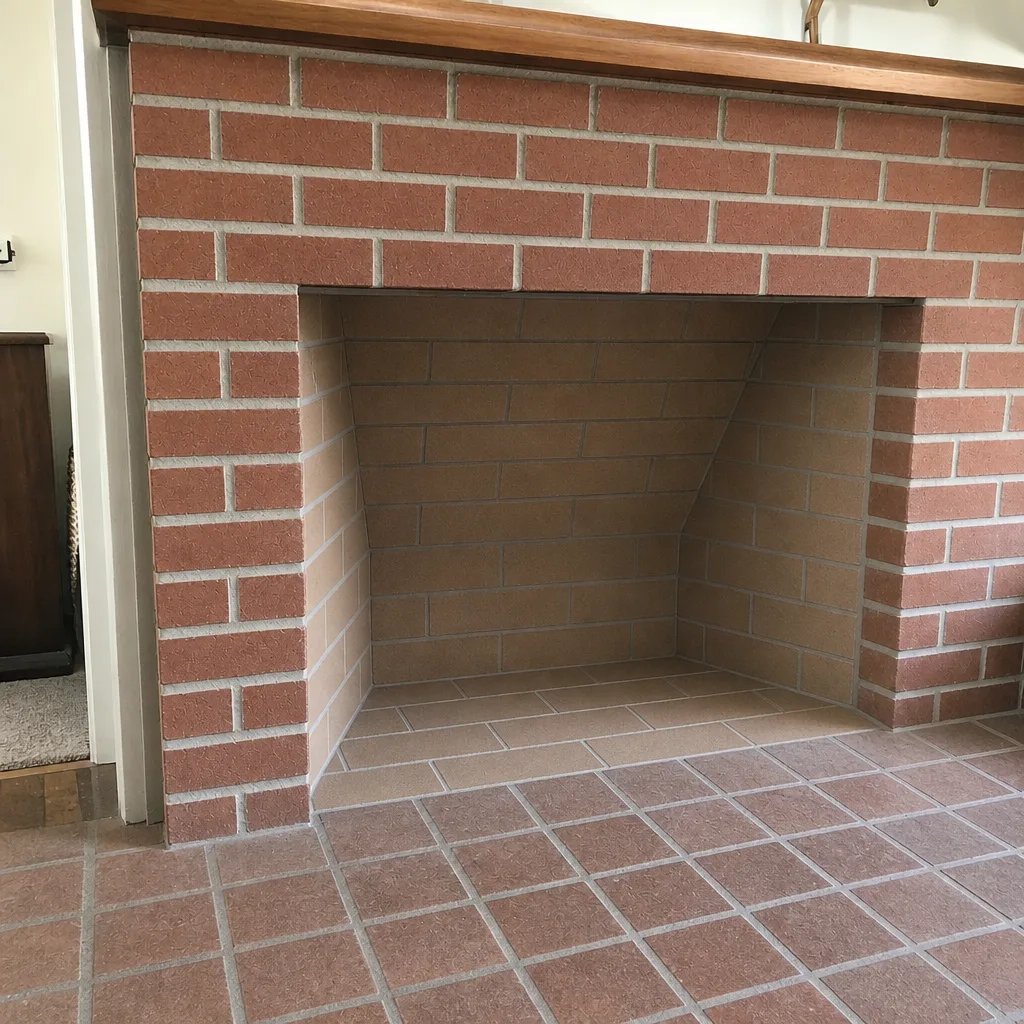
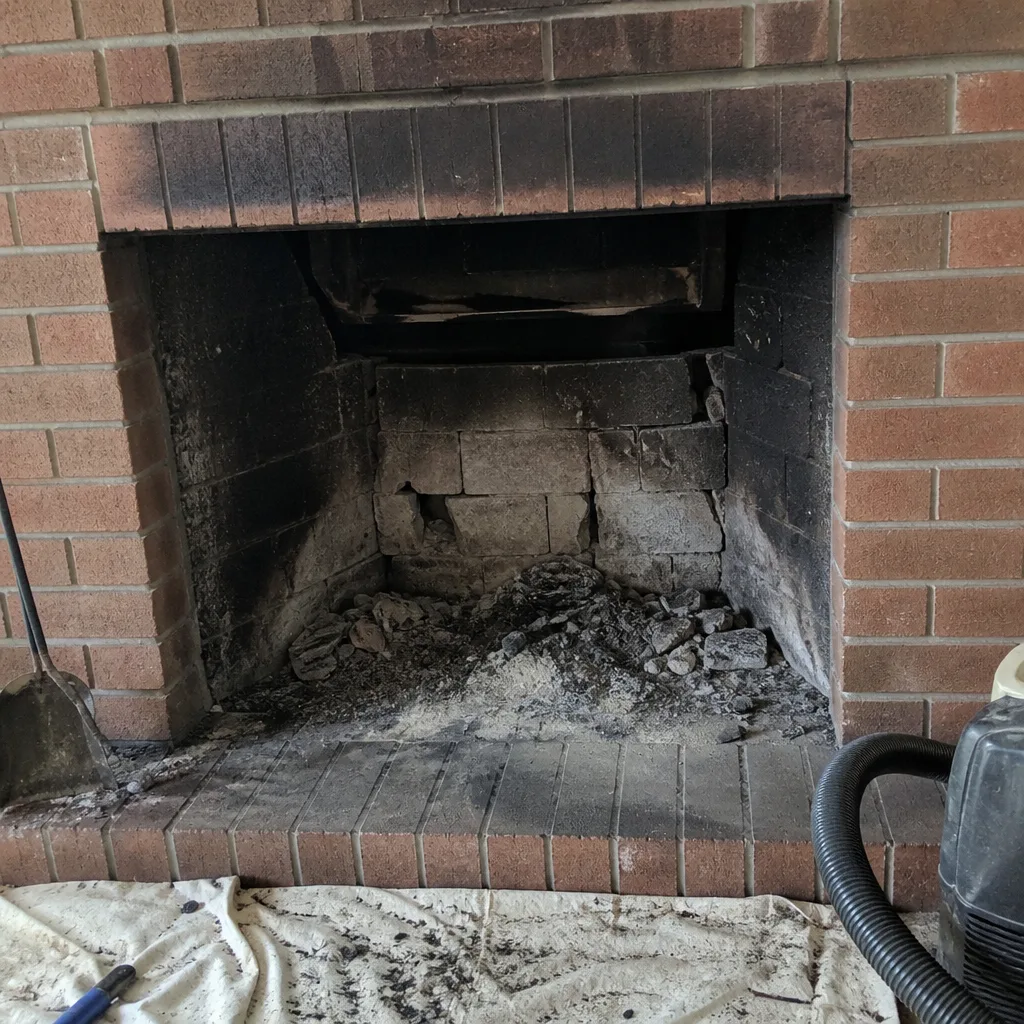
See the difference
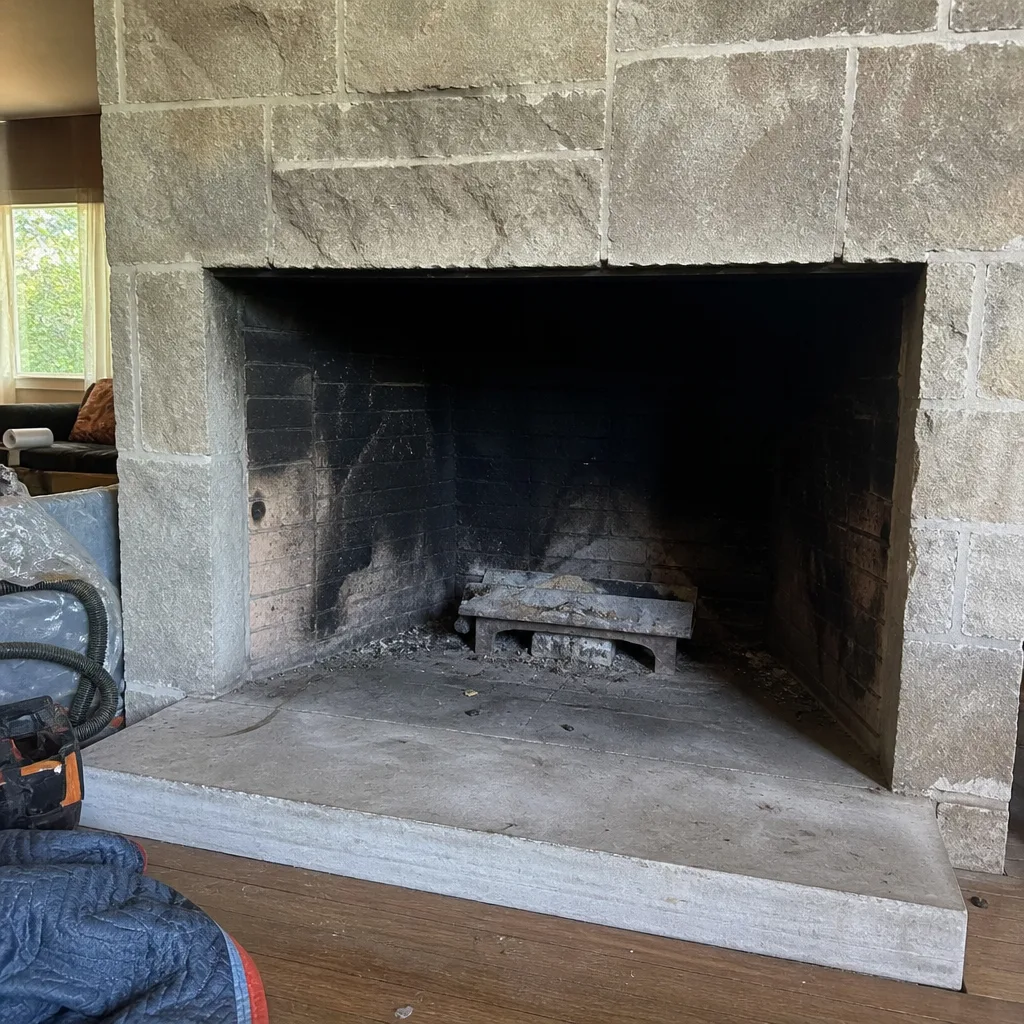 Before
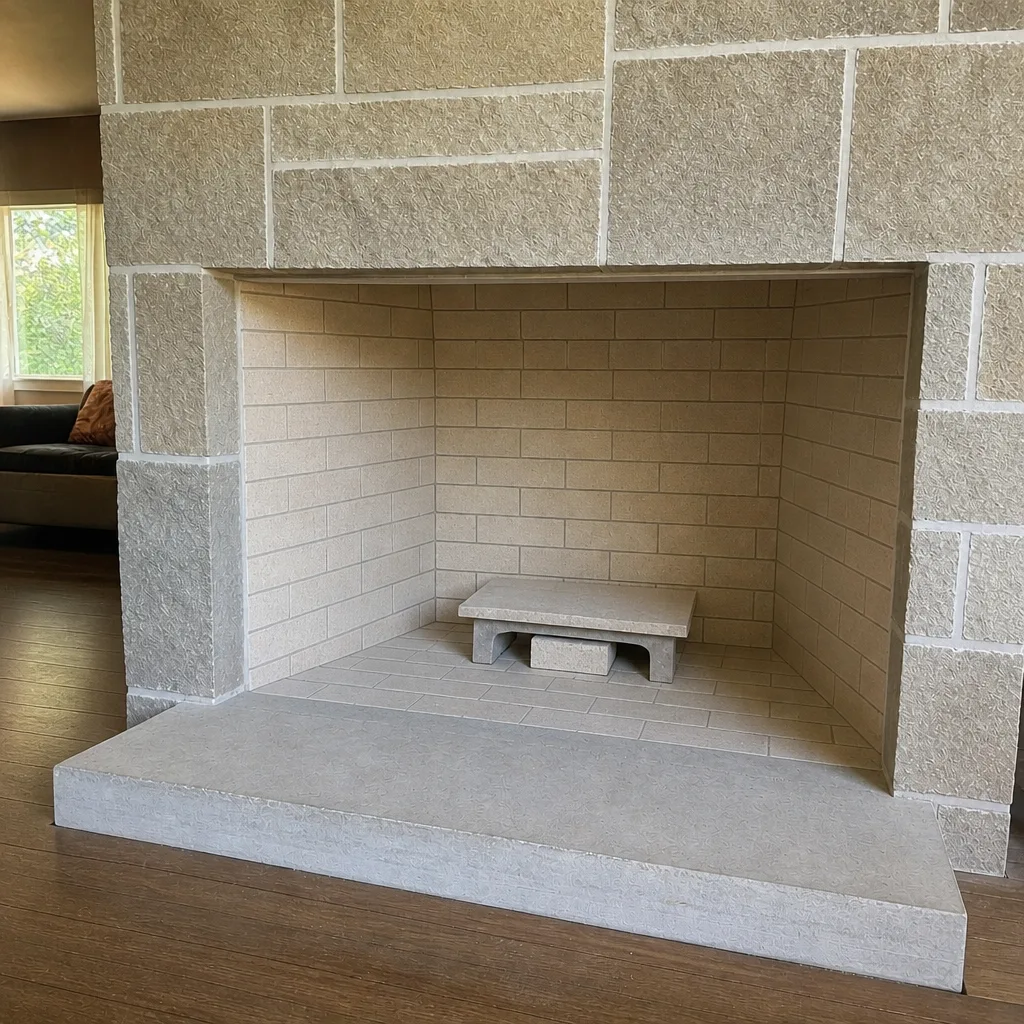 After
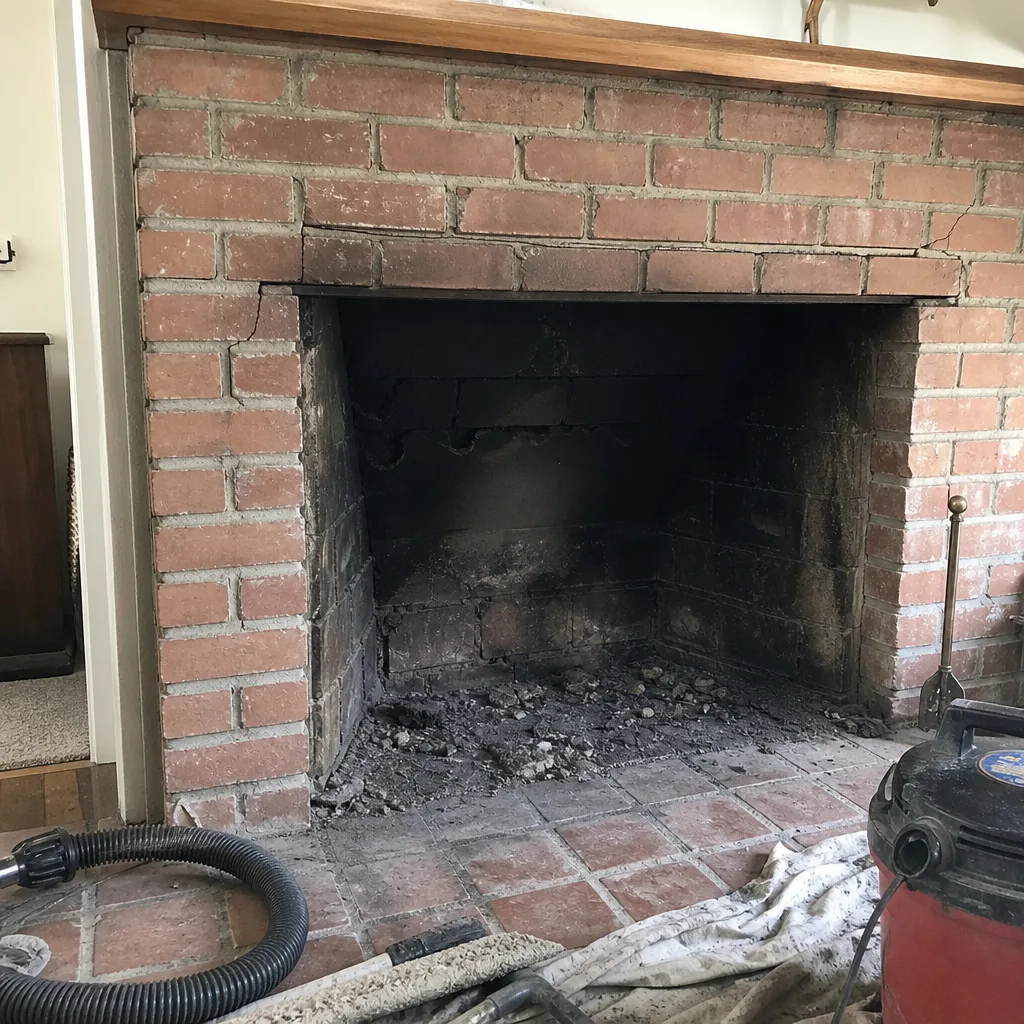 Before
 After
 Before
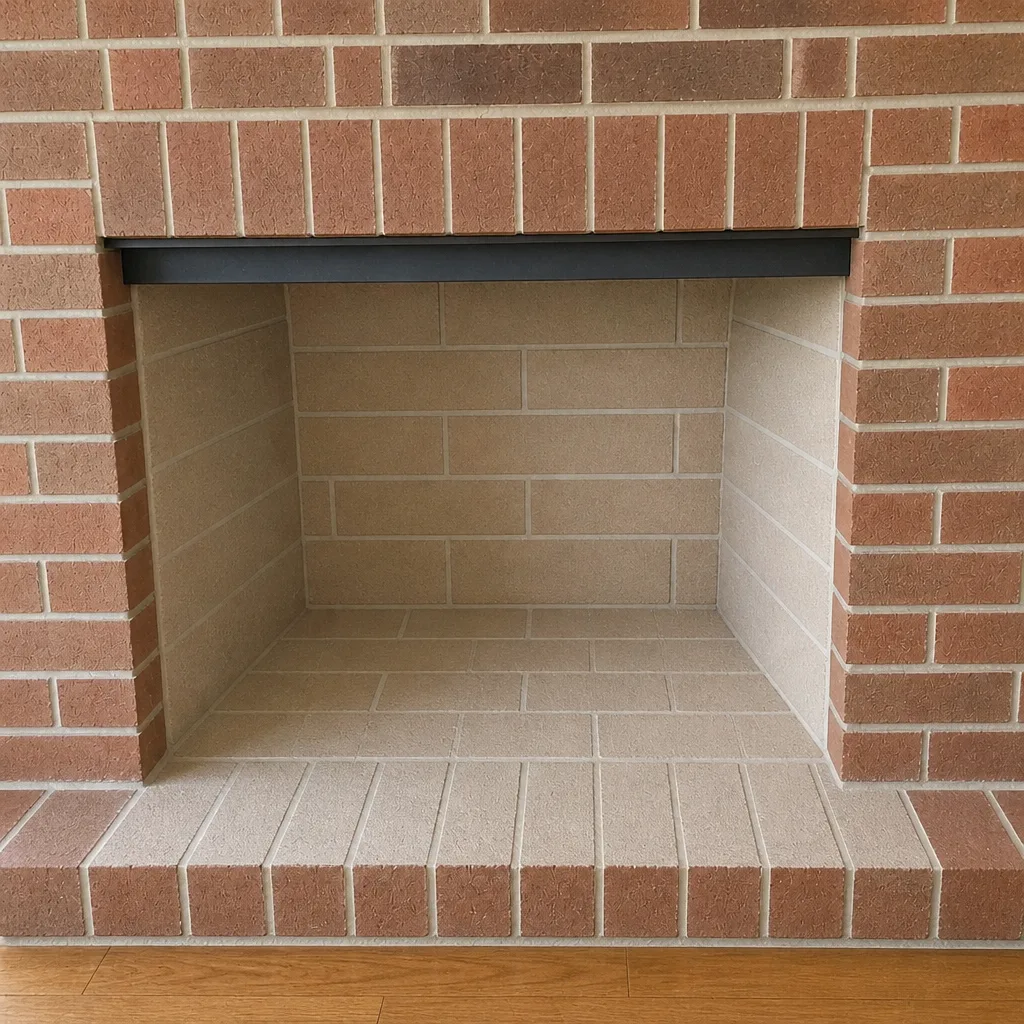 After
When to Call a Professional
Call a technician if any of these apply: the fireplace smokes into the room every time you light a fire; you can smell creosote or soot in summer; the exterior brick shows white staining, spalling, or crumbling mortar; the damper doesn’t move freely; a chimney fire has happened or you suspect one; carbon monoxide alarms have gone off; the chimney cap or crown looks damaged; or you’re in a newly purchased Northwood home and have no service history. Any item on the stop-use list above means stop burning and call. A professional inspection before a cleaning catches the problems a sweep alone would leave in place. Chimney Sweep Northwood offers free estimates in Northwood. Call (855) 337-2036. We answer 24/7. Fast dispatch from 7am to 7pm, Sunday through Friday.
Frequently Asked Questions
Because cleaning removes soot, not the cause. Smoke rollback almost always points to negative air pressure in the house, a blocked or warped damper, an undersized flue for the firebox opening, or a flue that’s too short. Each of these needs a targeted fix – damper repair, a liner upgrade, or draft correction – rather than another sweep. Call (855) 337-2036 for a free estimate on the inspection that will find the cause.
It’s creosote in the flue releasing odor as Northwood’s summer heat warms it, and it isn’t dangerous by itself. It does signal that buildup is present and has been there long enough to absorb moisture and heat. A professional cleaning removes the deposits and takes the smell with them. If the smell is accompanied by heavy glazed creosote, that is a stop-use situation until a technician inspects. Call (855) 337-2036 to book a cleaning and inspection.
It usually means water is getting into the masonry. The white chalky mineral residue is called efflorescence, and the fix is at the source: a failed crown, a missing cap, or cracked mortar joints that are letting water in. Repointing, crown repair, and a proper cap solve the underlying problem. Painting over the staining makes it worse because it traps moisture inside the brick.
For an annual check on a chimney that’s been serviced and has no symptoms, a Level 1 visual inspection is normally enough. For a newly purchased home, a flue that smokes, an unresolved smell, a suspected chimney fire, or any symptom in this guide, ask for a Level 2 inspection with video scanning. The camera reveals cracks and gaps that a visual check cannot see. The photo report from the camera goes to you, so you can see the evidence for yourself before deciding on any repair.
No, and it’s not just about doing it right. Sweeping the flue requires proper brushes, rods, and vacuums, and improvised tools leave deposits and can damage the liner. Any work on the roof, the cap, the crown, or the flue liner should be done by a trained technician. DIY checks are limited to looking up the flue with a flashlight, operating the damper, and inspecting the exterior from the ground. Call (855) 337-2036 for a free estimate if anything looks off.
An annual inspection is the baseline for any active fireplace, and a cleaning whenever the flue has accumulated buildup – often once a year for regular burners. Northwood’s marine-influenced climate works on exterior mortar joints, so a visual check of the chimney top each year is smart between professional visits. If you just bought the house, start with a Level 2 inspection for a baseline. Call (855) 337-2036 to schedule.
The Bottom Line
Chimney problems are signals, not verdicts. Smoke rollback means airflow, creosote smell means buildup, white staining means water, spalling brick means trapped moisture. Each symptom has a specific diagnosis behind it, and the right fix is targeted – a damper repair, a crown rebuild, a HeatShield resurfacing, a DuraFlex reline – not just another sweep. Inspect before you clean, ask for a camera when the situation calls for it, and stop burning the moment you hit the stop-use list. That approach saves money, keeps the chimney safe, and gets you to the right repair the first time rather than a second contractor. If you’re in Northwood and want a clear answer on what’s actually happening in your chimney, call us.
Call (855) 337-2036 for a free estimate. We answer 24/7. Fast dispatch from 7am to 7pm, Sunday through Friday.
Written by the team at Chimney Sweep Northwood.