
Last updated November 24, 2026
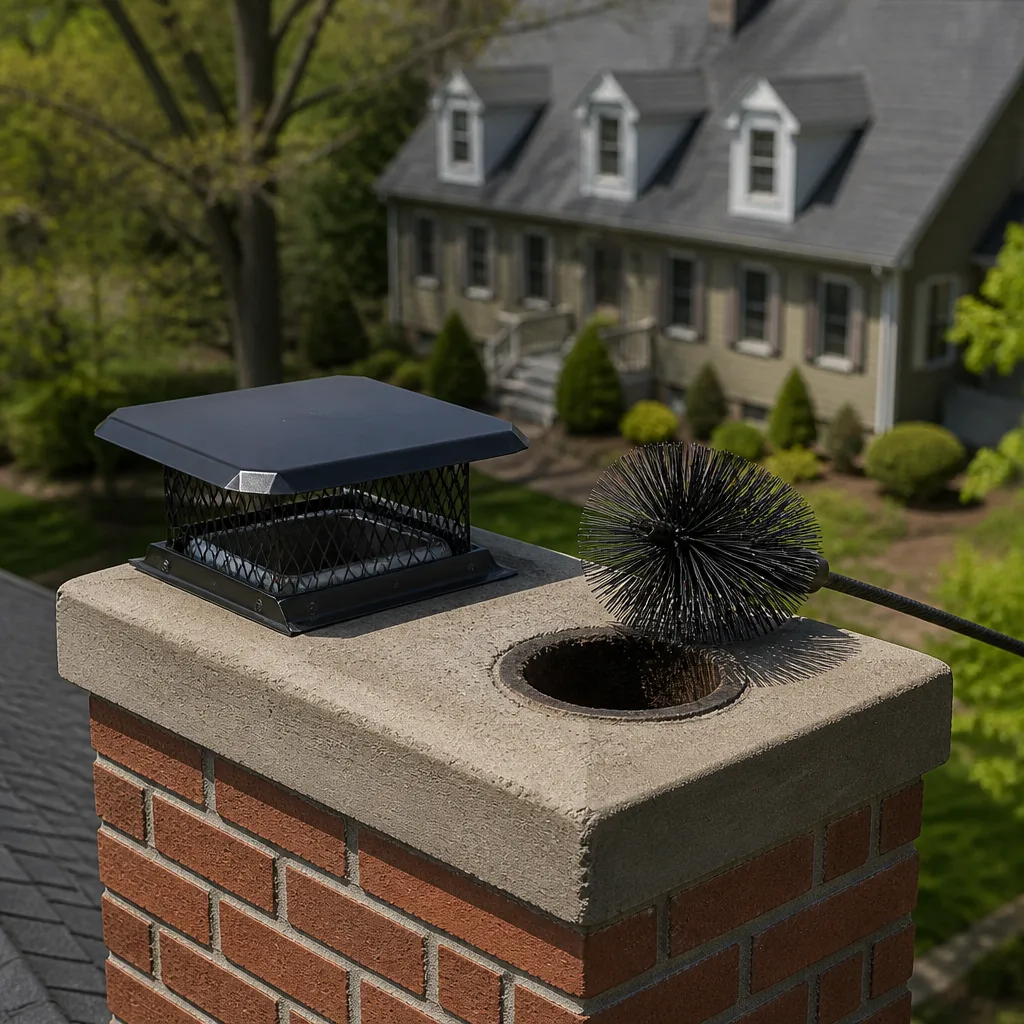 Sweep & inspection
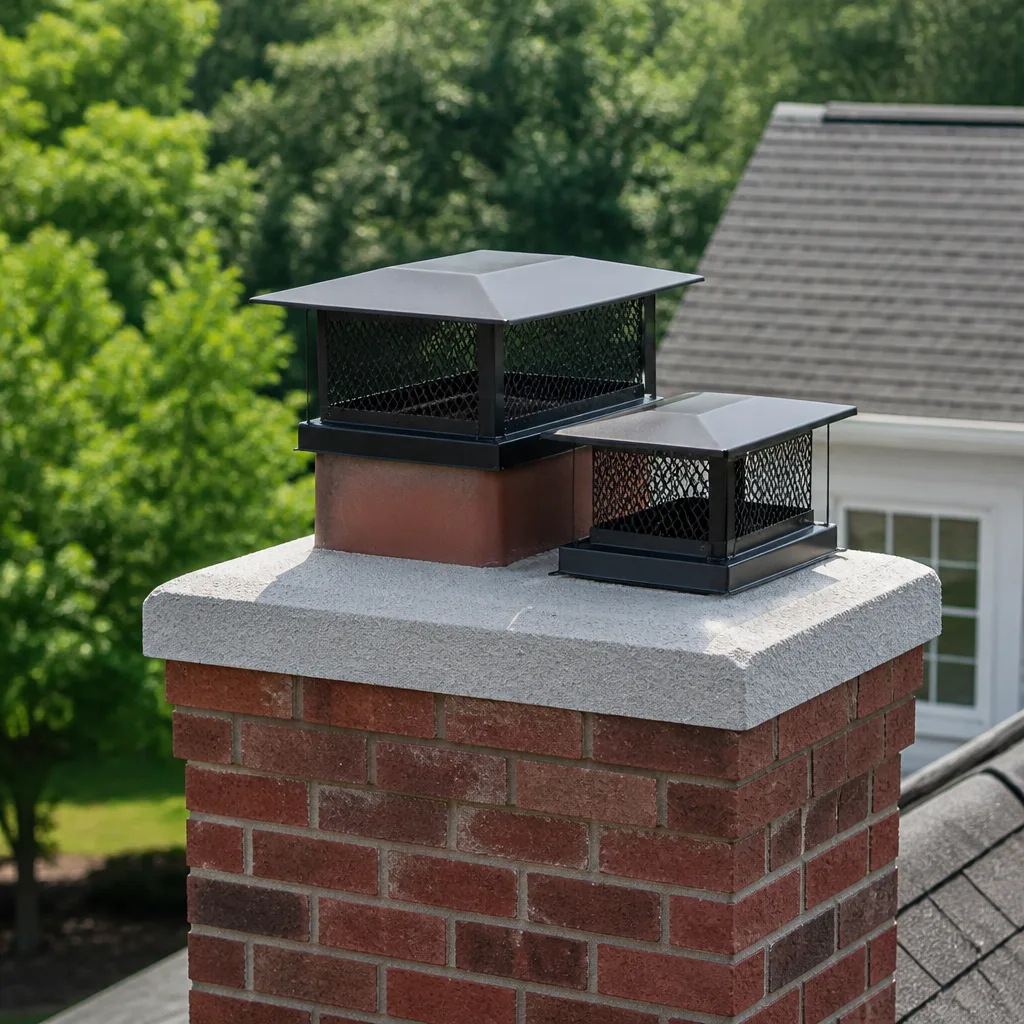 Caps & crowns
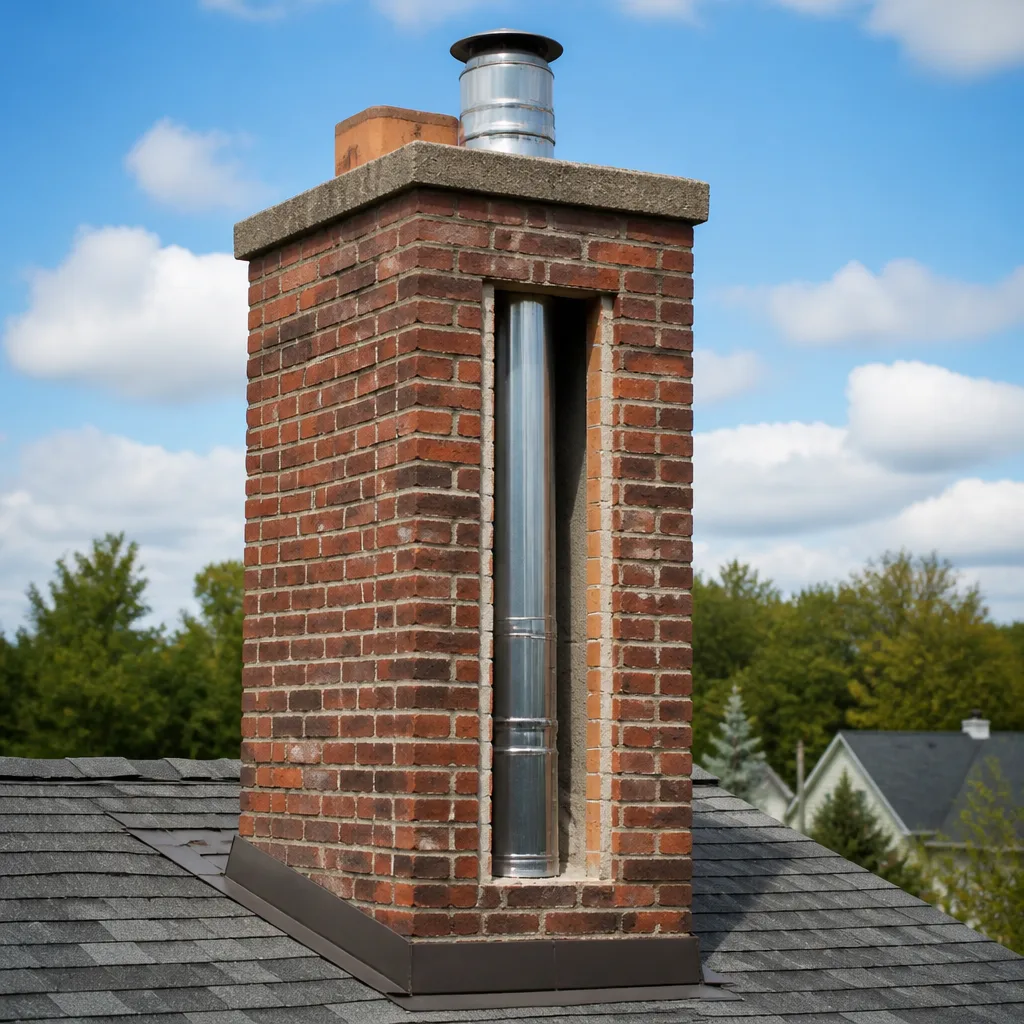 Flue relining
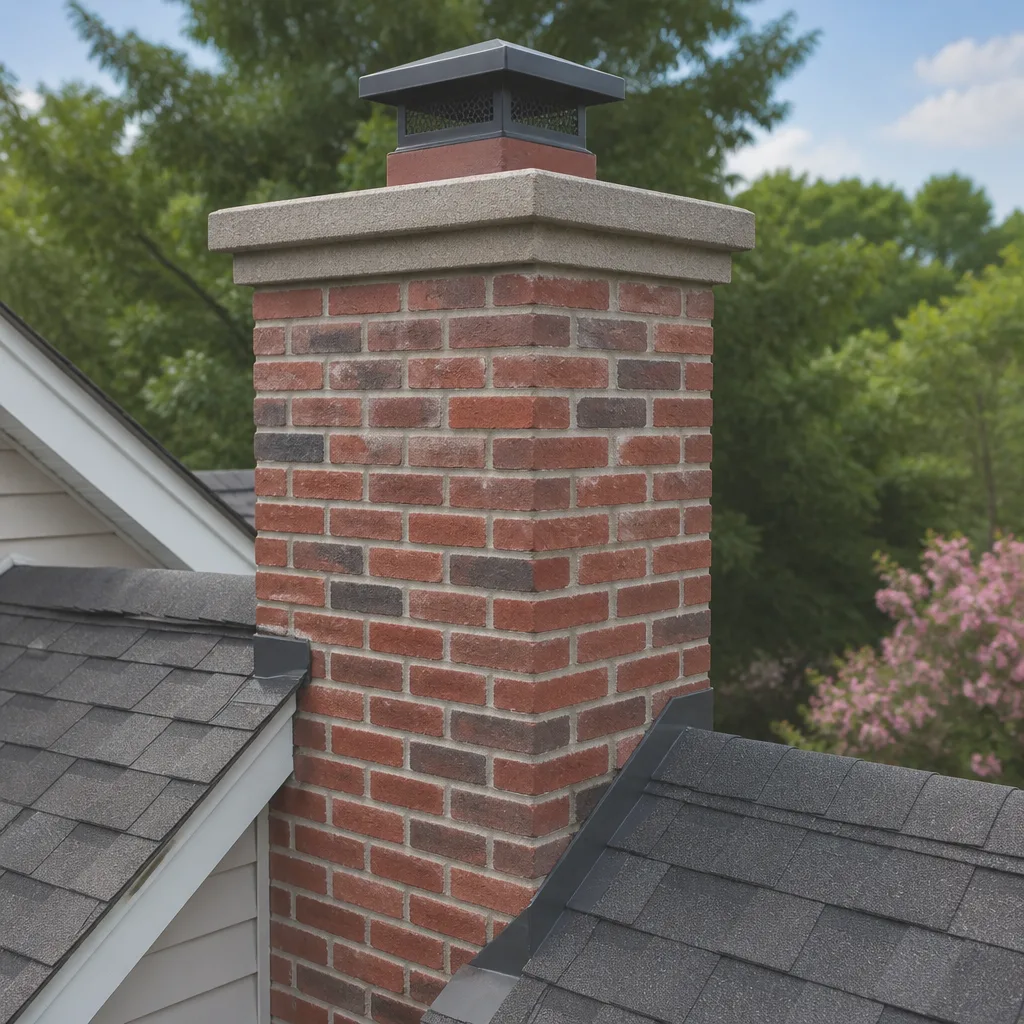 Masonry repair
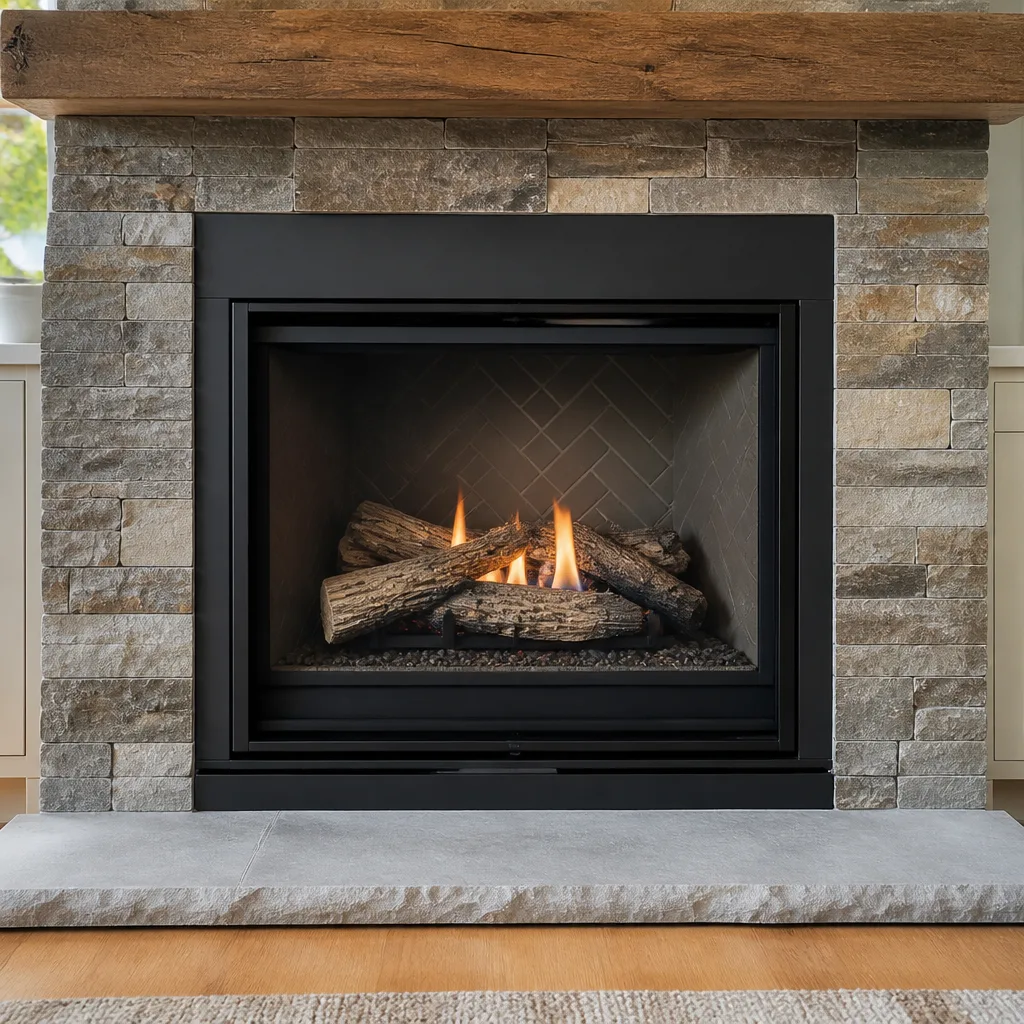 Gas fireplace service
Level 1 sweep and inspection to the NFPA 211 annual standard - flue, crown, cap, and flashing checked and photographed
Chimney sweep logs do not sweep chimneys. They loosen some creosote - which then falls where a brush and vacuum still have to collect it.
Choosing the Right Chimney Cleaning Brand: A Buyer’s Guide for Northwood
When a technician tells you they applied a crown sealant, the useful follow-up is: which one? ChimneySaver and a generic masonry sealer are not interchangeable, and the difference tends to show up in your crown’s condition a few mild winters down the road. Most homeowner guides talk about finding a sweep, checking reviews, and comparing prices. Almost none of them talk about the products that actually go into your chimney. That’s a gap worth closing, because in Northwood the labor is only half the job. What gets brushed, coated, capped, and relined is the other half, and it’s the half you’ll live with. This guide teaches you to read the materials shelf, not just the price tag.
Quick Answer
The right chimney brand isn’t a single name; it’s a set of materials matched to the job. A cap should be stainless steel or a listed brand like Gelco, a floor-level flue repair should use a tested resurfacing system such as HeatShield, and a reline should use a listed liner like DuraFlex. In Northwood, ask what product is being used, whether it’s UL-listed, and whether it’s rated for the specific application before you approve any repair.
Styles & brands we work with
- Sweep & inspection
- Caps & crowns
- Flue relining
- Masonry repair
- Gas fireplace service
Table of Contents
- Why the Products Matter as Much as the Labor in Northwood
- The Product Categories in Chimney Work
- What a Good Product Benchmark Looks Like
- UL Listing and NFPA 211: Why They Matter in California
- Specific Product Lines Worth Knowing by Name
- How to Ask a Contractor About Materials Without Sounding Adversarial
- Brand Questions to Ask on Every Repair Quote
- Caps and Crowns: The First Line of Defense
Why the Products Matter as Much as the Labor in Northwood
Northwood sits in a mild-winter climate, and that shapes how chimney products age here. You won’t see the deep freezes that crack crowns overnight in colder states, but you will see a steady cycle of dry summers, occasional rain, and long stretches where the chimney is dormant. A well-applied coating on a crown can hold up for years; an off-brand sealant applied thin over a dirty surface can fail in a season or two, and the failure is quiet. Water gets behind it, the masonry spalls, and the next quote is for a rebuild instead of a recoat.
The same logic runs through every part of the system. A galvanized cap is cheaper and will rust through far sooner than a stainless one in a humid or rainy season. A generic liner patch may look fine on the day it goes in. A listed, tested system installed to spec is what survives the first real stress test, which is usually a hot fire followed by a cold night. We’ve seen both outcomes plenty of times in Northwood, and the pattern is consistent: the materials decide how long the repair lasts.
What that means for a homeowner is simple. The cost of a chimney repair isn’t just the technician’s time. It’s the service interval baked into the product. A repair with a durable material may cost more today and last considerably longer. A cheap one can cost less and put you back on the phone sooner. Chimney Sweep Northwood builds quotes around named, professional-grade products for exactly this reason. You can see what’s going into the job and what it’s rated to do.
The Product Categories in Chimney Work
Chimney work uses a handful of distinct material categories, and it helps to know what each one does before you talk to anyone. When a contractor quotes a repair, they’re really naming a solution in one of these buckets:
- Caps. The cover at the top. Stainless steel is the benchmark for durability; galvanized steel is cheaper and shorter-lived. Brands like Gelco make listed caps designed for specific flue sizes.
- Crown coatings and repair materials. The concrete crown that seals the top of the chimney. Coatings and repair mortars, including ChimneySaver and HeatShield, are formulated to bond to masonry and resist moisture.
- Liner repair systems. Used when the flue is compromised but not fully failed. HeatShield is a resurfacing system; full relining is done with a listed liner like DuraFlex.
- Liner systems. The flue itself. Flexible stainless liners are the standard for wood-burning appliances that need a fresh flue.
- Creosote treatments. Chemical products (Rutland is a common name) that help break down hardened creosote between sweeps, used as a supplement to sweeping, never as a substitute.
- Component hardware. Dampers, top-sealing assemblies, and connectors. Lyemance is one name you’ll see on top-sealing dampers, and Olympia Chimney makes a range of venting and liner components.
In Northwood, the categories that come up most often in a service visit are caps and crown work, because a mild climate lets a homeowner defer them without noticing until a leak shows up inside. Knowing the category tells you what question to ask next: which product, and is it rated for this application?
What a Good Product Benchmark Looks Like
The industry benchmark in chimney products is not a single brand. It’s a set of standards: the product is listed by a recognized testing body, it’s rated for the application it’s being used in, and the manufacturer publishes installation specs that a trained installer follows. Here’s what that looks like in practice, category by category:
- Caps: stainless steel with a listed design that fits the flue. Galvanized is the lower tier. A cap should be sized to the flue, not clamped on loose.
- Crowns: a purpose-made crown repair material, not a bag of generic mortar mix, applied to a properly prepped surface.
- Liner repair: a resurfacing system that’s been tested for the application, with a known cure time and a documented application method.
- Liner replacement: a listed flexible stainless liner sized to the appliance and insulated where required.
- Creosote treatment: a product that supports sweeping, used according to its own instructions.
We’ve found that the honest answer to “is this a good product” is usually “it’s a good product for this job, and here’s why.” A professional-grade product used wrong is worse than a basic product used right. That’s why the material matters alongside the installer’s skill and the written spec.
UL Listing and NFPA 211: Why They Matter in California
NFPA 211 is the national standard for chimneys, fireplaces, vents, and solid fuel-burning appliances, and it’s the reference point a chimney professional works from. UL listing is the testing stamp on a product. Together they give you a way to check that what’s going into your home has been evaluated, not just sold. In California, where a post-installation inspection may be required depending on the job and the local authority having jurisdiction, listed products make that inspection smoother. An inspector can see a listed liner, a listed cap, and a proper installation, and sign off on it. An unlisted part can trigger questions and delays.
You don’t need to memorize standards. You need to know they exist and to ask about them. “Is this UL-listed?” and “Is this installed to NFPA 211?” are fair, plain questions. A contractor who works with professional-grade brands will answer them easily. If the answer is vague, treat that as information. Chimney Sweep Northwood works with product lines that are built to these standards, and we can tell you which product is going in and why.
For Northwood homeowners in older homes, this matters more. An unfamiliar chimney may already have an unlisted or improvised setup from a prior owner. A sweep and inspection will show what’s there, and listed replacements bring it back to a known standard.
Specific Product Lines Worth Knowing by Name
You don’t need to become a brand expert. But a few names come up repeatedly in professional chimney work, and recognizing them helps you evaluate a quote. Here’s a plain-language guide:
- HeatShield. A resurfacing system for compromised flue liners. It’s applied to the inside of the flue, and it requires training to install correctly. If your liner is cracked or spalling but not beyond repair, this is one of the options a specialist may recommend.
- DuraFlex. A flexible stainless liner brand used for full relining. When a flue needs a new liner, this is the tier of product a professional-grade quote will include.
- Gelco. A brand of chimney caps and accessories. Listed caps in the right size protect the flue from rain and animals.
- Olympia Chimney. A supplier of chimney and venting components, including liners, caps, and related hardware.
- Famco. A brand of chimney caps and dampers worth recognizing when it appears on a quote.
- Copperfield. A line of chimney caps and crowns used by specialists.
- ChimneySaver. A line of water-repellent sealants and crown repair products. It’s not the same as a generic masonry sealer, and that difference shows up over time.
- Lyemance. A well-known name for top-sealing dampers, which close off the flue when the fireplace isn’t in use.
- Rutland. A common brand for creosote treatment products used to support sweeping.
Chimney Sweep Northwood works with DuraFlex, HeatShield, Gelco, Olympia Chimney, Famco, and Copperfield. Those are the names you’ll see on our quotes, and knowing them lets you ask better questions of any contractor you talk to in Northwood.
How to Ask a Contractor About Materials Without Sounding Adversarial
Most homeowners don’t want to interrogate a contractor. That’s fine. You don’t have to. A few simple, friendly questions get you the information you need, and a good contractor will welcome them.
- “What product are you planning to use?” A named brand is a good sign. “A sealant” or “a cap” with no name is worth a follow-up.
- “Is it rated for this application?” This tells you whether the product is designed for the job or being adapted to it.
- “How long should it last?” A confident answer with a range, and a reason for the range, tells you the contractor knows the material.
- “Will this pass inspection?” If a permit or inspection is part of the job, asking upfront is smart.
- “Can you show me what you found?” For any repair recommendation, ask to see the camera inspection. Photos and video make the recommendation verifiable.
An answer that includes product names tells you the contractor thinks in materials, not just hours. It also means you can look up the product yourself if you want to. An answer with no names, no ratings, and no specs is the one to be cautious about. You’re not being difficult by asking. You’re doing exactly what a buyer should do. If you’d like to see how this works in practice, a free estimate from us includes exactly this kind of explanation.
Brand Questions to Ask on Every Repair Quote
Price is one number. The material is the other. Before you approve any repair quote in Northwood, ask these questions. They’re short, and they’ll save you a repeat visit:
- What product is being used? Named brand, not a category.
- Is it UL-listed? If yes, ask for the listing on request. If not, ask why.
- What is it rated for? A crown coating and a flue liner are not rated for the same conditions.
- Is it installed to NFPA 211? The standard, not a promise.
- What’s the expected service life? A range with a reason is better than a flat claim.
- What’s the warranty on the product and the labor? They’re not always the same, and both matter.
- Does the quote include the parts the product needs? Some products require specific primers, adhesives, or connectors. Confirm they’re in the price.
A quote that names the product, the standard, and the service life is the one you can trust. A quote that says “repair crown” next to a lump sum gives you nothing to compare. Chimney Sweep Northwood prices each job with a written estimate, and the estimate names what’s going in. You shouldn’t have to guess.
Caps and Crowns: The First Line of Defense
If you ask a chimney specialist which part of the system fails first in a mild climate, caps and crowns come up often. A cap keeps rain, birds, and debris out of the flue. A crown seals the top of the chimney and keeps water out of the masonry. When one of them fails, water gets in, and the damage moves downward. That’s why cap and crown work is worth understanding, not just approving.
A stainless cap outlasts a galvanized one. A purpose-made crown repair material outlasts a generic mortar patch. And a properly installed top-sealing damper, like one from Lyemance, closes the flue when the fireplace is idle, which reduces heat loss on a cool Northwood evening. None of this is dramatic. It’s just the difference between a repair that lasts and one that comes back.
When we look at a chimney, we’re looking at the whole system: the cap, the crown, the flue, the firebox, and the connections. If your cap or crown is failing, we can replace it with a product that’s rated for the job. If it’s holding up, we’ll tell you that too. That’s the value of a full-system inspection: you know exactly where you stand, and you’re not sold work you don’t need.
Common Mistakes to Avoid
- Approving a repair without a product name. “Crown repair” and “crown repair with a listed product” are two different things. Ask what’s going on before you agree.
- Buying on price alone. A cheaper material often means a shorter service interval, and in Northwood’s mild climate a failing crown can go unnoticed until water is already in the masonry.
- Letting a sweep use an unnamed sealant. ChimneySaver and a generic masonry sealer are not interchangeable. The label matters.
- Skipping the camera inspection. If you can’t see the flue, you can’t verify the recommendation. Ask for photos and video before you approve liner work.
- Assuming a cap is a cap. A galvanized cap and a stainless Gelco cap are not the same. Ask what’s rated for your flue.
- Treating a creosote treatment as a substitute for sweeping. Rutland and similar products support sweeping; they don’t replace it.
- Not asking if the job needs an inspection afterward. In California, a post-installation inspection may apply depending on the job. Asking upfront avoids surprises.
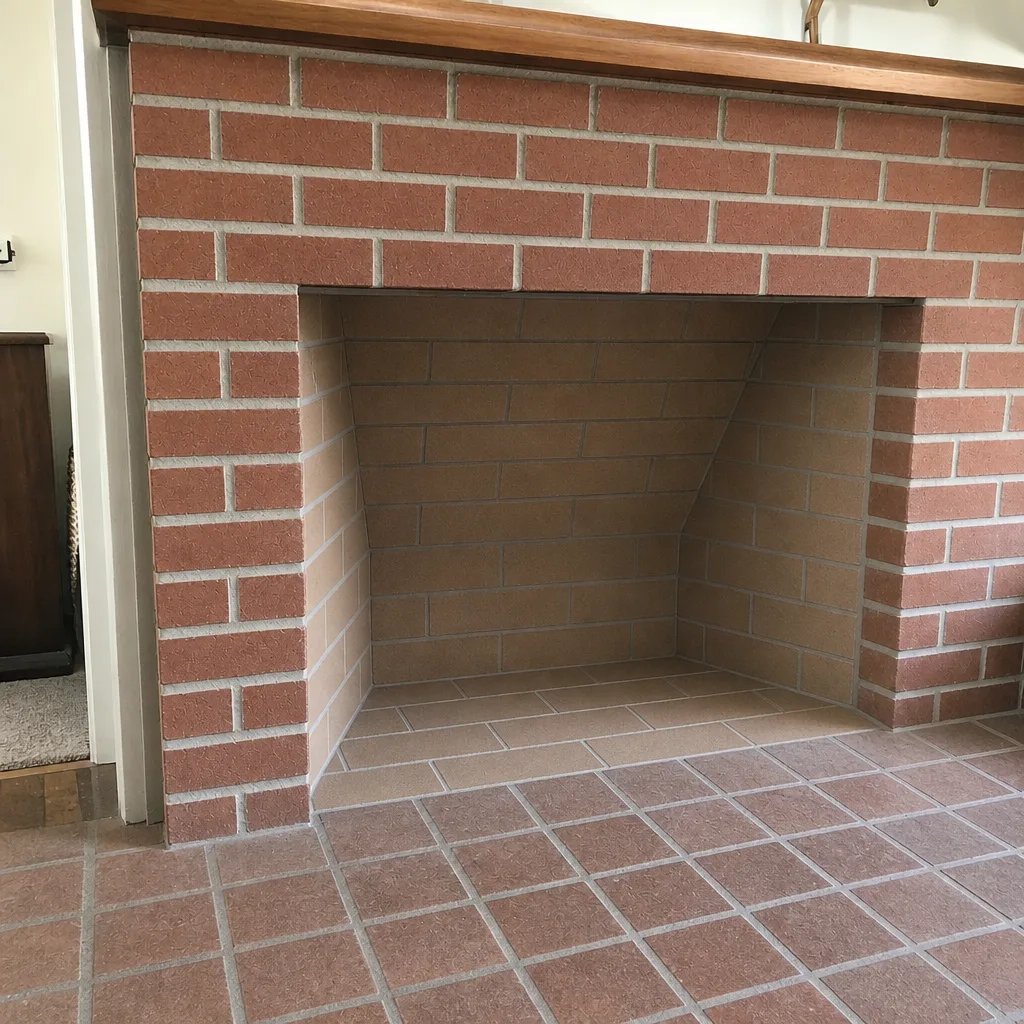
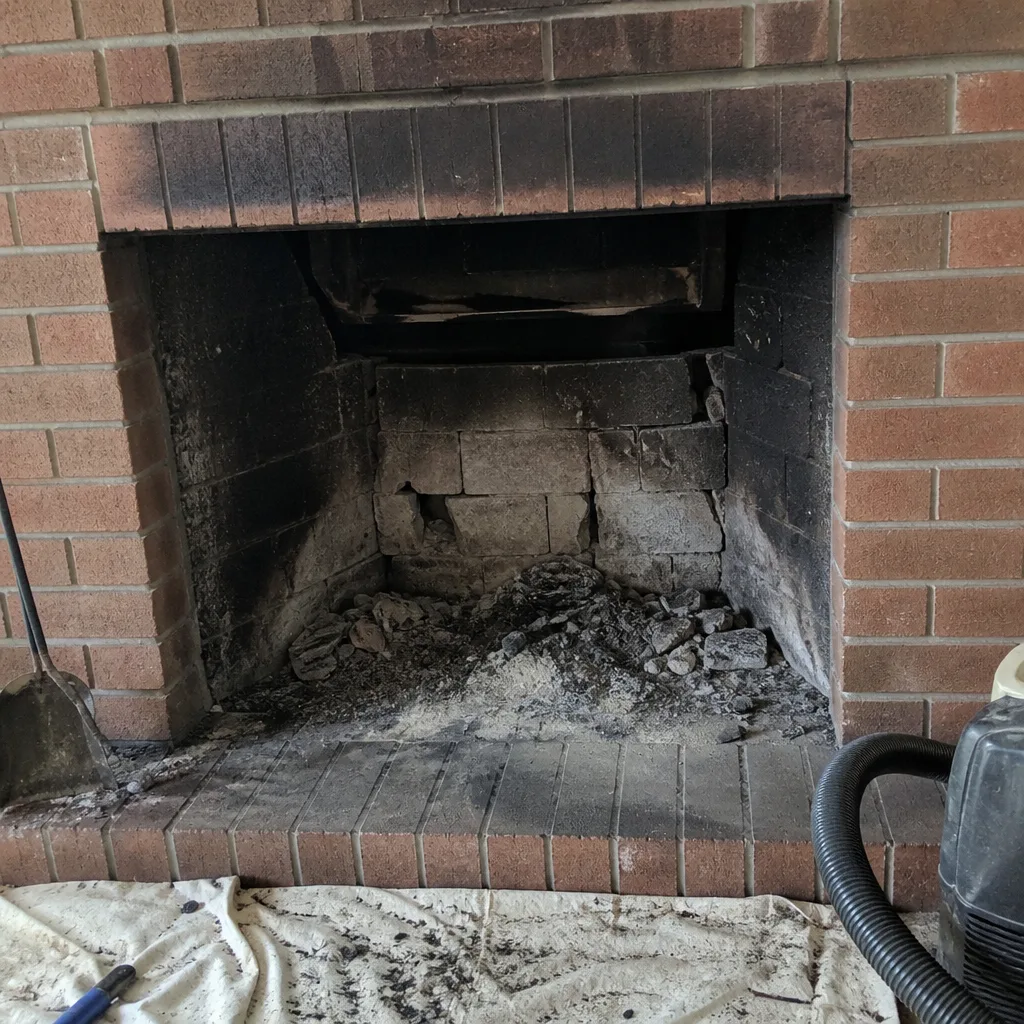
See the difference
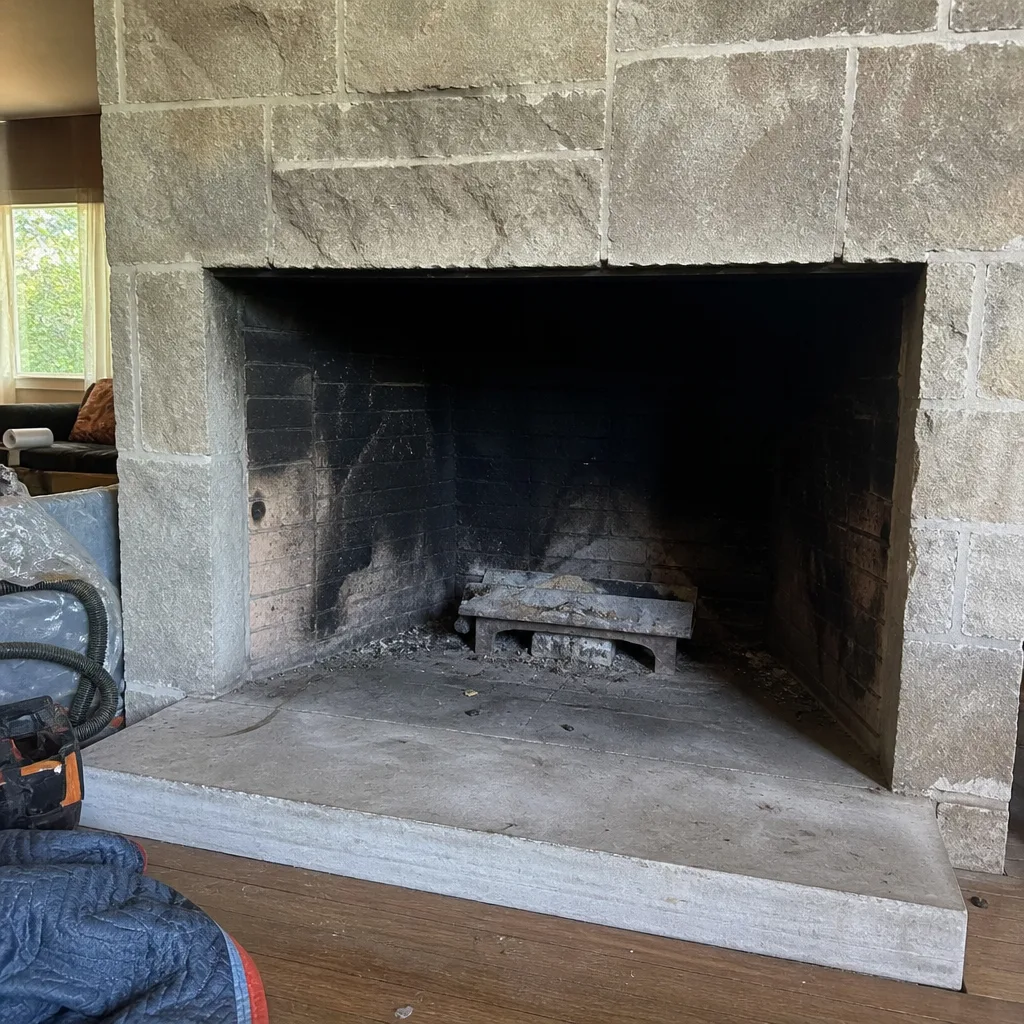 Before
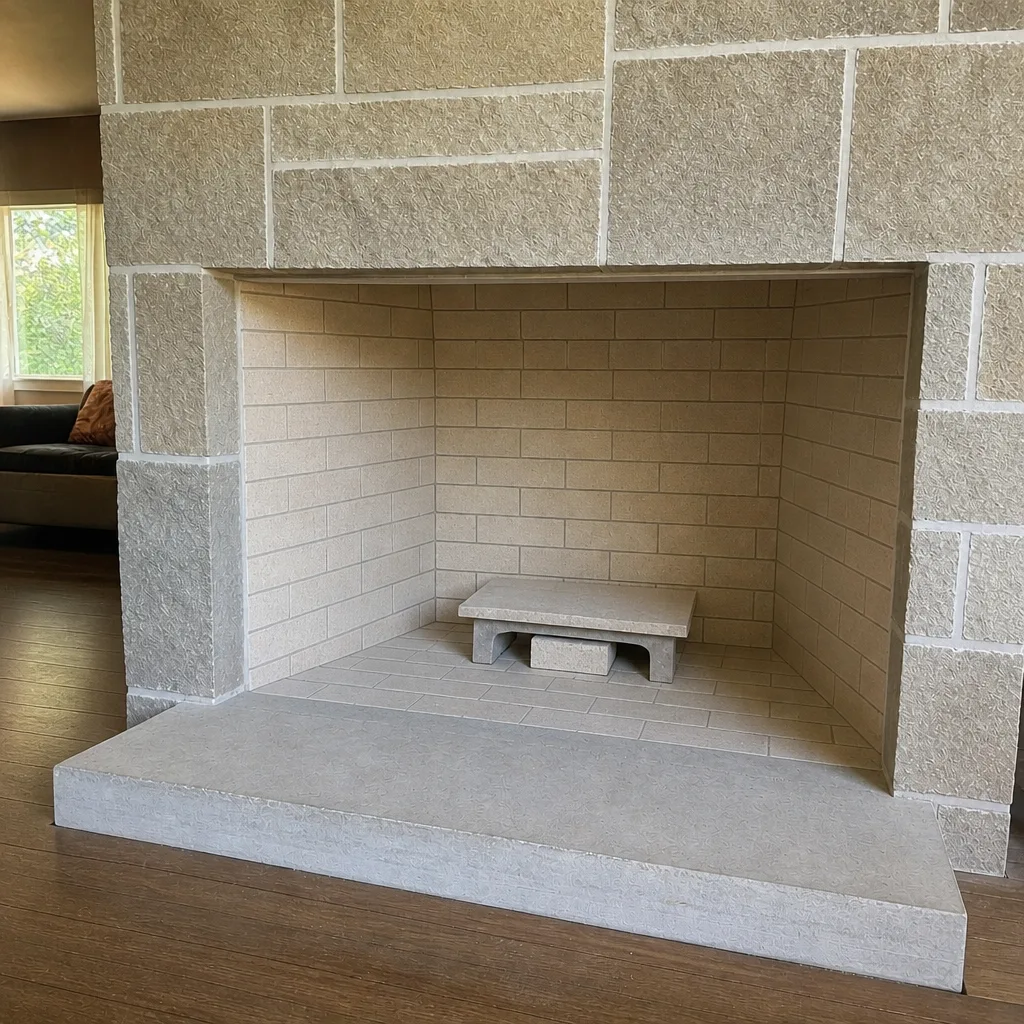 After
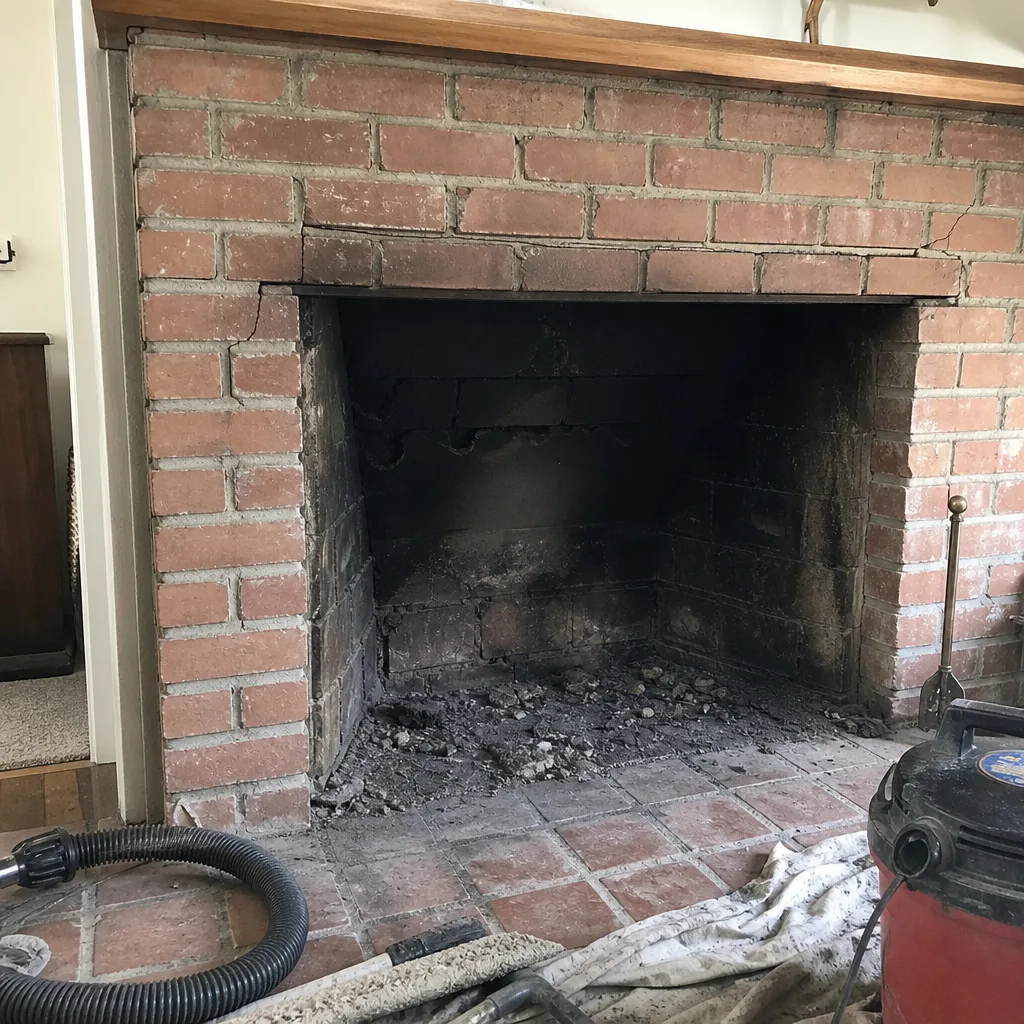 Before
 After
 Before
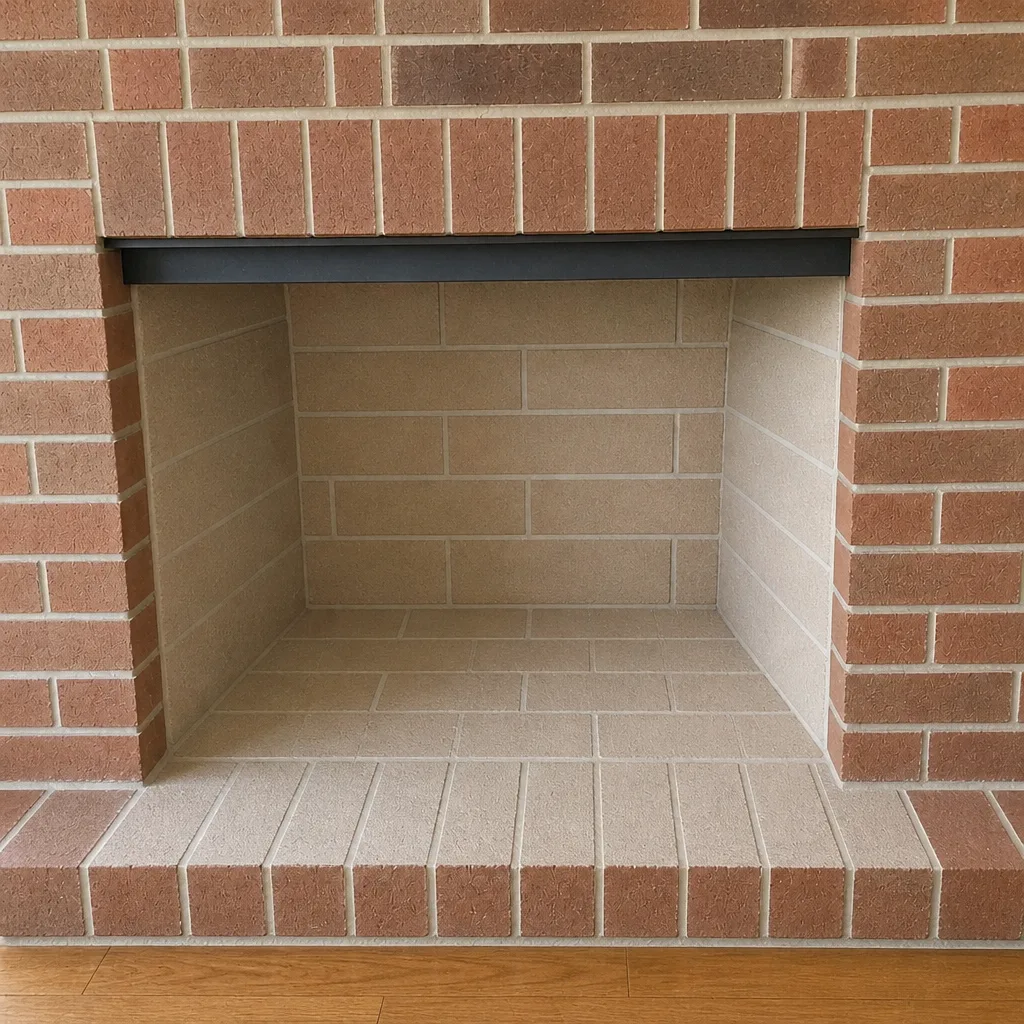 After
When to Call a Professional
Some chimney work is genuinely a professional job, and some of it is a repair you can plan for. Call a professional if you smell smoke in the house when the fireplace is running, if you see water stains near the chimney or on the ceiling, if the firebox or flue is cracked or spalling, if your cap is loose or missing, or if you’ve moved into a Northwood home and don’t know when the chimney was last inspected. You should also call if you’ve had a chimney fire, even a small one, because the flue needs to be checked before the next fire. High-tension parts and flue interiors are not DIY territory; a trained professional has the tools and the training to inspect safely. Chimney Sweep Northwood offers free estimates in Northwood. Call (855) 337-2036. We answer 24/7. Fast dispatch from 7am to 7pm, Sunday through Friday.
Frequently Asked Questions
You’ll see professional-grade names like HeatShield for liner resurfacing, DuraFlex for full relining, and Gelco and Famco for caps. ChimneySaver is a common name in crown coatings and sealants, Lyemance in top-sealing dampers, and Rutland in creosote treatment. Any of these named on a quote is a good sign. Call (855) 337-2036 to talk through what your chimney needs.
It makes a real difference in how long the repair lasts. A stainless cap outlasts a galvanized one, a tested resurfacing system outlasts a generic patch, and a listed liner is what passes inspection. The material sets the service interval, and that’s not marketing.
You want one, and NFPA 211 is the standard to ask about. Listed products make a post-installation inspection smoother and give you a way to check that what’s going in has been tested. Ask any contractor which standard the product meets. If they can’t tell you, that’s a signal.
A camera inspection tells you. A cracked or spalling lining that’s still structurally sound may be a candidate for a resurfacing system like HeatShield; a failed or missing liner usually calls for a full reline with a product like DuraFlex. Don’t accept a liner quote without seeing the camera evidence. Call (855) 337-2036 for a free estimate.
It depends on where the water is getting in. A failed cap lets water straight into the flue; a cracked crown lets it into the masonry. Often both are involved, and the inspection will show which. A listed cap and a proper crown repair together are the reliable fix.
A sweep removes creosote and debris mechanically. A treatment product like Rutland helps break down hardened creosote between sweeps. The treatment supports the sweep; it doesn’t replace it. If your flue has heavy creosote, a sweep is the first step.
The Bottom Line
The brand on the quote is a promise about how long the repair will last. In Northwood, with its mild winters and long dry stretches, that promise is worth reading carefully. Ask what product is going in, whether it’s listed, and what application it’s rated for. Name recognition helps, but the standard behind the name is what counts. A chimney sweep is the starting point. A structurally sound chimney, built with professional-grade materials, is the goal. Chimney Sweep Northwood handles the full system, from inspection and chimney sweep to fireplace repair, chimney repair, and chimney cap & crown work, all under one roof. Ready to see what’s going into your chimney? Call (855) 337-2036 for a free estimate. We answer 24/7. Fast dispatch from 7am to 7pm, Sunday through Friday.
Written by the team at Chimney Sweep Northwood.