
Last updated November 24, 2026
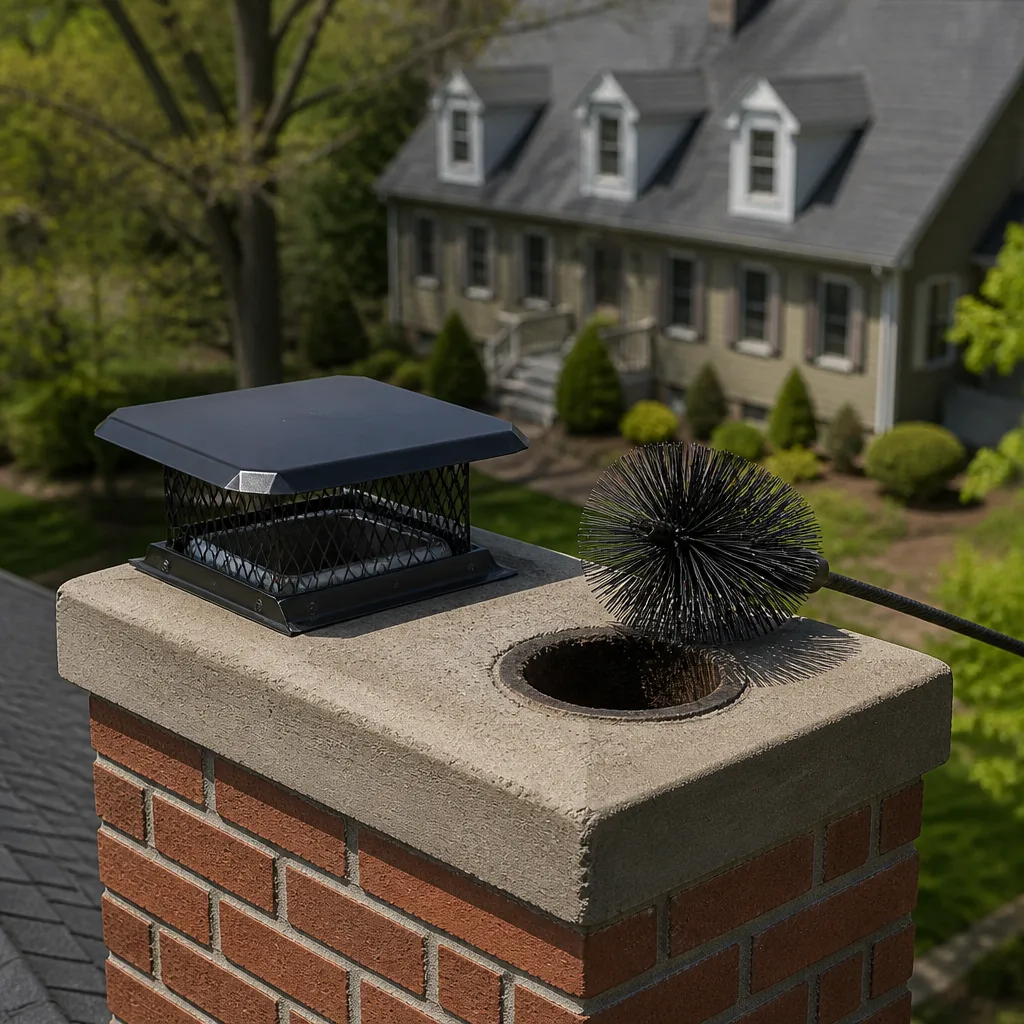 Sweep & inspection
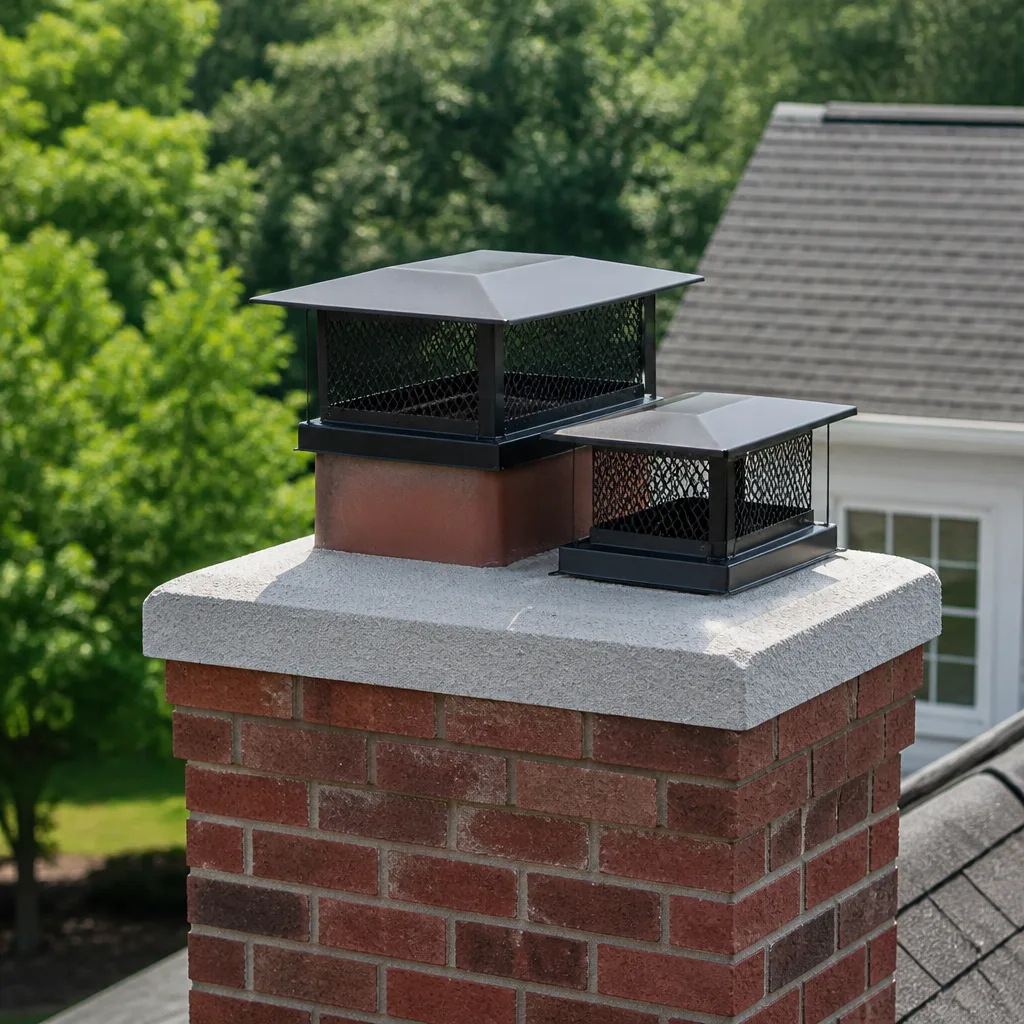 Caps & crowns
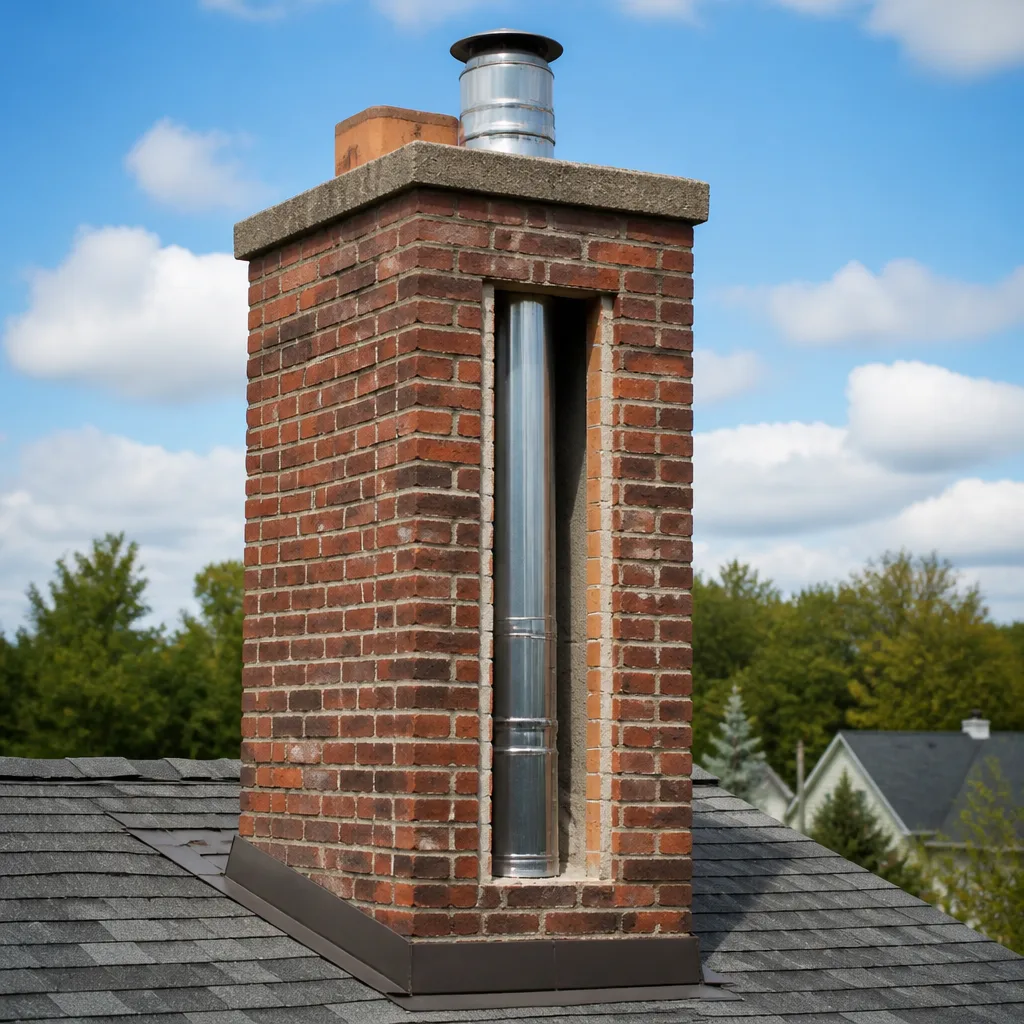 Flue relining
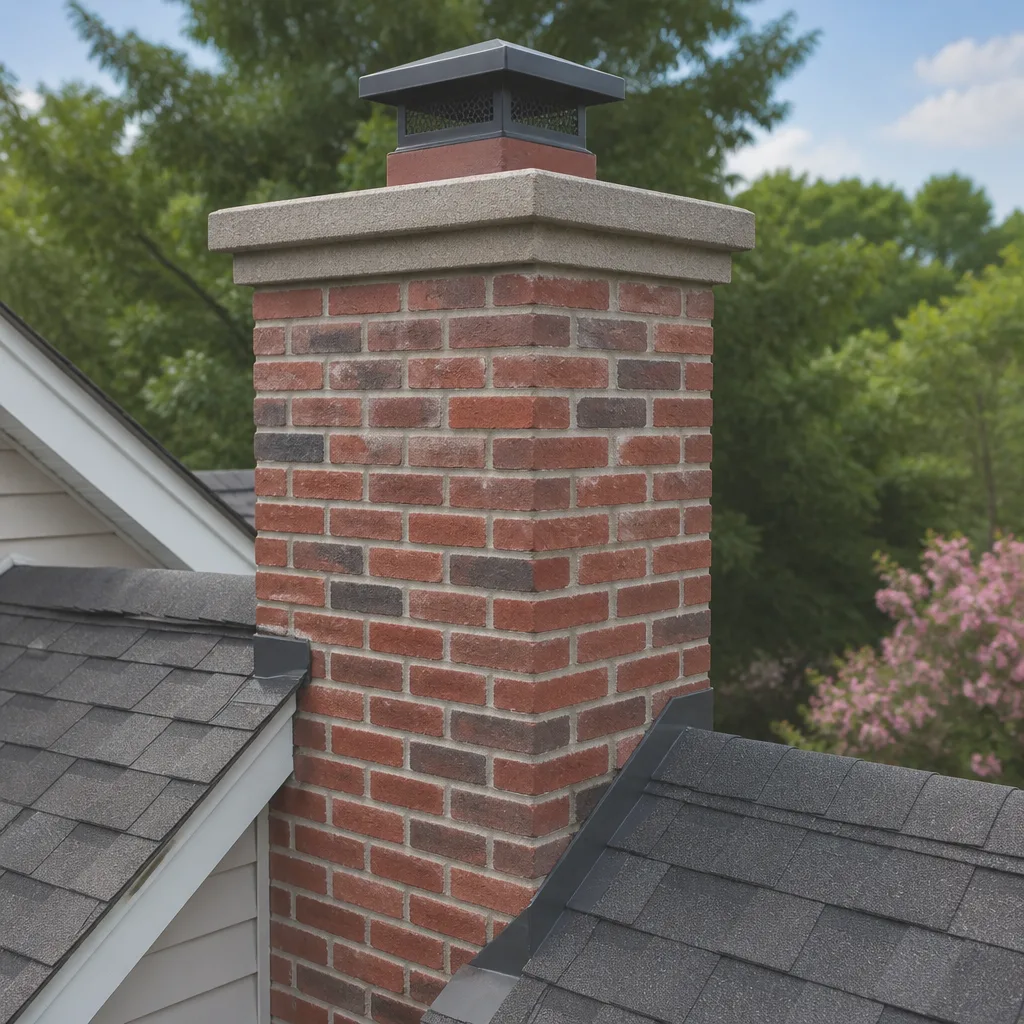 Masonry repair
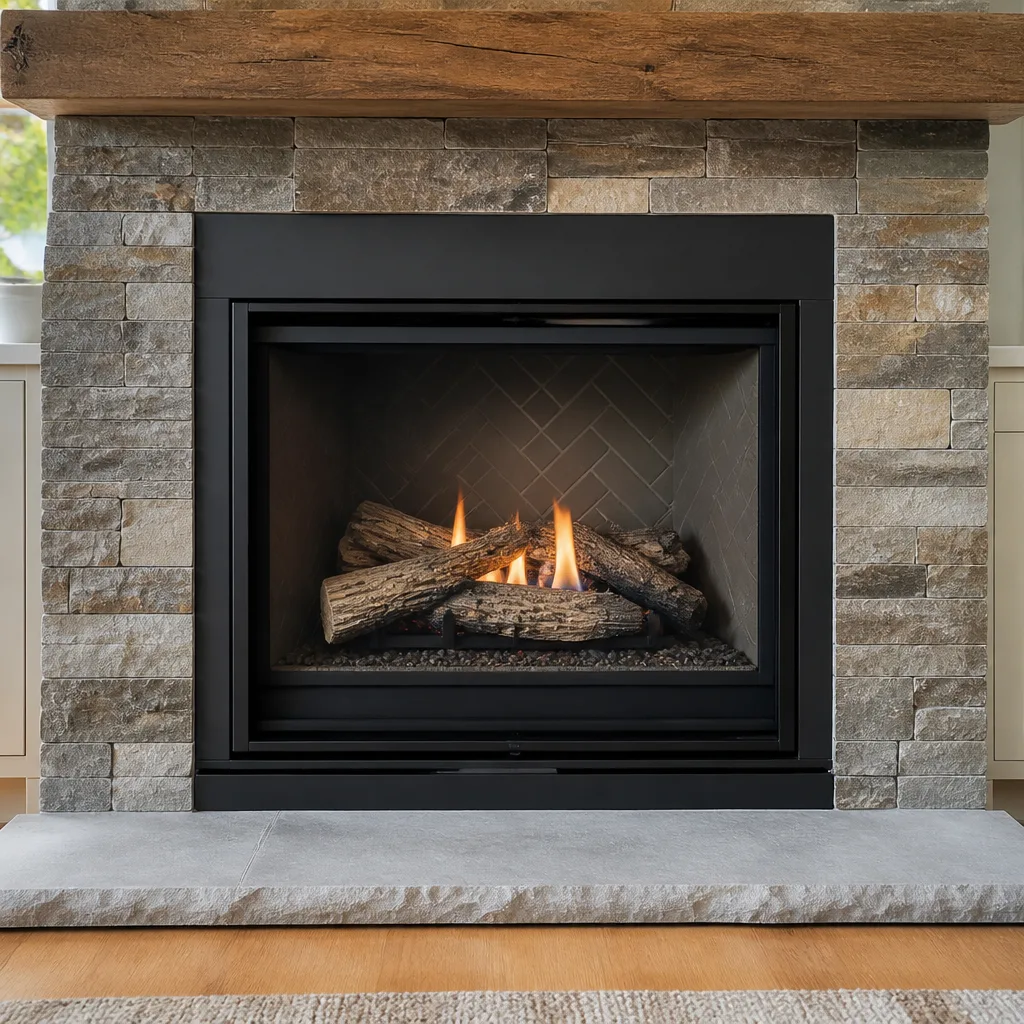 Gas fireplace service
Level 1 sweep and inspection to the NFPA 211 annual standard - flue, crown, cap, and flashing checked and photographed
Chimney sweep logs do not sweep chimneys. They loosen some creosote - which then falls where a brush and vacuum still have to collect it.
The Complete Guide to Chimney Cleaning in Northwood
Most homeowners schedule a chimney sweep and assume the job is done when the technician leaves. But a cleaning without an inspection is like an oil change without looking under the hood: you’ve completed a task, not maintained a system. The flue gets brushed, the soot goes in the vacuum, and everything behind the firebox wall, above the smoke chamber, and around the crown stays exactly as it was. In Northwood, where dry heat and wildfire-season air put unusual demands on a chimney, that gap between cleaning and diagnosis is where expensive problems hide. This guide walks through what a proper cleaning actually covers, how inspections differ, and what to watch for on the report.
Quick Answer
A chimney cleaning in Northwood should include brushing the flue, sweeping the firebox and smoke chamber, checking the damper, cap, crown, and liner, and finishing with an inspection that tells you the condition of the whole system – not just the flue. Cleaning alone clears creosote; only the inspection catches cracks, gaps, and blockages before they become structural repairs. Expect a full-service visit to cover both.
Styles & brands we work with
- Sweep & inspection
- Caps & crowns
- Flue relining
- Masonry repair
- Gas fireplace service
Table of Contents
- Why Cleaning in Northwood Is Really a Diagnosis
- The Three NFPA 211 Inspection Levels and When Each Applies
- What a Full-Service Cleaning Actually Touches
- How Northwood’s Climate and Air Quality Affect Creosote
- Step by Step: What Happens During a Proper Cleaning
- Why the Materials Used During Cleaning Matter
- How to Read a Cleaning Report and Spot Red Flags
- What You Can Check Yourself and What You Shouldn’t
Why Cleaning in Northwood Is Really a Diagnosis
A chimney is a system, and every part of it depends on the others. The firebox holds the fire. The smoke chamber funnels exhaust upward. The flue liner carries it out. The crown sheds water off the top. The cap keeps debris and animals out. The damper controls airflow. When one part fails, the others take on strain they weren’t designed for, and the failure often goes unnoticed until smoke backs up into a room or a liner cracks through.
That’s why we treat cleaning as the opening move in a diagnostic sequence rather than a standalone chore. When a technician brushes a flue in Northwood, they’re also looking up the liner with a camera, checking the smoke chamber for gaps where combustion gases can leak, and examining the crown for hairline cracks that let moisture in. Most of what gets found during a cleaning isn’t visible from the hearth. It’s above the damper, in the smoke shelf behind the firebox, or on top of the chimney where a cracked crown is quietly letting water into the masonry.
Northwood homeowners with active fireplaces often call us because smoke is drifting into the room on startup, or because the fire doesn’t draft the way it used to. Nine times out of ten, the fix starts with a cleaning and a proper look at the system, not a repair. The residue that builds up on the smoke chamber walls, the debris that collects on the smoke shelf, and a partially blocked cap all restrict airflow in ways that change how the fireplace behaves long before they turn into a real hazard.
The takeaway is simple: a cleaning tells you what’s in the flue. An inspection tells you what condition the flue, the liner, the crown, and the cap are in. You need both to make a repair decision. When you book a chimney sweep, ask what happens after the brushing stops. That answer separates a one-task visit from a full-system check.
The Three NFPA 211 Inspection Levels and When Each Applies
The National Fire Protection Association’s Standard 211 defines three levels of chimney inspection, and the level that applies depends on what changed since the last one. Most homeowners don’t know the difference until they’re selling a house or a chimney event forces the question.
Level 1 is the basic visual check that comes with a routine cleaning. It covers readily accessible portions of the chimney, the firebox, the damper, and the visible parts of the flue – no tools that could damage the structure, no camera. This is the right level when the appliance, fuel type, and chimney haven’t changed since the last inspection. If you’ve been burning the same wood in the same fireplace for years and nothing unusual has happened, Level 1 is what you need.
Level 2 goes further, adding a video camera scan of the flue interior, and covers accessible sections of the attic, crawl space, and chimney exterior. Level 2 is the standard whenever the situation has changed: a property sale, a new appliance installation, a change in fuel type, a chimney fire, an earthquake, or any weather event that could have damaged the structure. It’s also what most home inspectors recommend before a real estate transaction closes, because it’s the level that documents the actual condition of the liner from the inside.
Level 3 is a full investigation that can require removing parts of the chimney or building to access concealed areas. This is reserved for situations where a serious hazard is suspected but not yet confirmed – a known chimney fire, a liner collapse, or a blockage that can’t be reached any other way. It’s rare, and it’s the last resort.
For most cleaning customers in Northwood, Level 1 applies after a standard sweep. If you’ve just purchased the home or the chimney has been through something unusual, Level 2 is the appropriate call. If you’re unsure which one your situation needs, describe the history of the chimney when you call and the technician can tell you before the visit.
What a Full-Service Cleaning Actually Touches
A brush-and-vacuum service cleans the flue. A full-service cleaning works the whole system. The difference shows up in what’s examined and what’s left alone, and it’s the reason two cleaning estimates for the same chimney can differ by a wide margin.
Here’s what a complete cleaning should cover, top to bottom:
- Chimney cap. Checked for blockages (bird nests, leaves, soot buildup), rust, and proper fit. A cap that’s loose or damaged lets water and animals in. We work with Gelco caps and can replace one that’s beyond repair.
- Crown. Inspected for cracks that admit water into the masonry. Cracks compound quickly, and repair through chimney cap & crown work is far less expensive than rebuilding a chimney that’s been soaking for years.
- Flue liner. Scanned with a camera for cracks, gaps, and separation. The liner is what stands between combustion gases and the framing of the house – a damaged liner isn’t a maintenance issue, it’s a safety issue that requires professional attention.
- Smoke chamber. The sloped area above the damper where gases collect before entering the flue. Rough or damaged smoke chamber walls slow drafting and collect creosote. Resurfacing with HeatShield is often the right fix when the chamber is pitted or the liner has gaps near the top.
- Damper. Checked for smooth operation, proper seating, and rust. A damper that doesn’t close fully wastes heat and lets conditioned air escape when the fireplace is idle.
- Firebox. Swept and inspected for cracked brick, deteriorated mortar, and gaps between the firebox and the surrounding masonry. Fireplace repair is usually a masonry job, not a cleaning one, so knowing the difference early saves money.
That’s the whole path the exhaust takes on its way out, plus the parts that protect it from weather. A cleaning that misses the crown and the cap will leave you with a spotless flue and a chimney that’s still leaking water or pulling in debris. Full-system coverage is what we mean when we say we handle the full chimney system, not just the sweep.
How Northwood’s Climate and Air Quality Affect Creosote
Creosote forms in every chimney that burns wood, but how fast it accumulates depends on how the fire burns and what the air around it is doing. Northwood’s dry heat matters here. In a wetter climate, wood often arrives damp enough that homeowners learn to season it or the fire won’t catch. In a dry, hot climate, firewood dries out quickly on the surface and can seem ready to burn when the interior is still holding moisture. That moisture cools the smoke as it rises, and cooler smoke deposits more creosote on the flue walls.
Wildfire-season air quality adds another variable. When outside air is thick with smoke and particulates, homeowners naturally keep windows closed and rely more on the fireplace or wood stove for heat and for the comfort of a fire. More burning hours per season means more creosote. It also means the chimney works harder during the exact months when the outside air isn’t helping the draft.
The dry climate has one compensating effect: chimneys in Northwood generally see less water intrusion than chimneys in wet regions, so masonry decay from moisture is less common. That’s the good news. The flip side is that when water does get into a crown crack or a failed flashing, the owner often doesn’t notice, because it’s rare enough that they aren’t looking for it. That’s why our cleaning visits always include a close look at the crown and the cap – not because they’re always failing, but because they’re the parts a homeowner is least likely to check.
Burning dry, well-seasoned wood and keeping the fire hot enough to draft well are the two habits that make the biggest difference in creosote buildup in Northwood. Beyond that, the accumulation rate depends on your burning habits and your chimney’s condition, which is what the annual cleaning and inspection are for.
Step by Step: What Happens During a Proper Cleaning
Knowing the sequence helps you evaluate what a technician actually did, and it tells you what to expect when you book. Here’s how a professional cleaning typically runs.
- Protect the room. Drop cloths go down around the hearth. The vacuum is set up before any brushing starts, so soot is captured at the source instead of drifting into the room.
- Inspect before cleaning. A quick look at the firebox, damper, and visible flue establishes a baseline. It also catches anything that shouldn’t be brushed – a damaged liner, a bird nest, a blockage that needs to come out whole rather than be broken up.
- Sweep the flue. Brushes sized to the flue go up from the firebox or down from the top, depending on the chimney’s configuration. The vacuum runs continuously.
- Clean the smoke chamber and smoke shelf. The area above the damper where creosote tends to collect. This is where a lot of the difference between a thorough cleaning and a quick one shows up.
- Sweep the firebox and damper. Soot and ash are removed, and the damper is checked for smooth operation.
- Camera-scan the flue. This is the step that turns a cleaning into a diagnosis, and it’s the one most basic sweep services skip.
- Inspect the crown, cap, and exterior. Any cracks, gaps, or rust are noted and photographed.
- Report the findings and recommend next steps. A written report that describes the condition of each part, not just what was cleaned.
Most of these steps take minutes. The camera scan and the exterior look are what separate a system check from a chore. When you book with us, that diagnosis is included – not sold as an add-on – because a cleaning without a look at the liner and the crown is only partial information. If you’re dealing with a chimney that hasn’t been cleaned in years, the first visit may take longer, and the report may identify repair work that the next visit should address.
Why the Materials Used During Cleaning Matter
Chimney cleaning itself doesn’t require much in the way of products – brushes, a vacuum, and drop cloths. Where materials matter is in what gets used to protect and repair the system after the cleaning. This is where generic sweep services and full-system specialists part ways.
Two examples from our own work. When a flue liner has minor cracks or gaps, resurfacing with HeatShield can restore it without tearing out the liner – a specialized method that requires training to apply correctly, and one most basic sweep companies don’t offer. HeatShield is designed specifically for compromised flue liners, and applying it properly depends on the technician understanding the flue’s condition from the camera scan, not from a guess. When a liner is beyond resurfacing, a full relining with a DuraFlex liner restores the full system. That’s structural work, not maintenance, and it’s why our coverage runs the whole lifecycle: inspect, clean, repair, protect.
The same principle applies on the exterior. Caps and crowns are the first line of defense against water and animals, and a cap that isn’t the right material for the chimney fails faster than one that is. We work with Gelco and Famco caps because they’re built to hold up through years of weather, and we work with Copperfield and Olympia Chimney components because those are the parts certified specialists rely on when they’re rebuilding a chimney’s top end.
The reason it matters isn’t brand loyalty. It’s that a repair done with the right material lasts longer than the same repair done with a generic substitute, and the homeowner who has to redo the work in a few years pays twice. When a cleaning report recommends a repair, ask what material will be used and why. A technician who can explain that answer is one who’s thinking about the system, not just the invoice.
How to Read a Cleaning Report and Spot Red Flags
A cleaning report should tell you what was found, not just that the work was done. The reports that give you real information describe the condition of each part you paid to have checked, and they flag anything that needs attention separately from routine maintenance. When the report is vague, ask follow-up questions before you authorize anything else.
Here are the red flags that mean repair is likely needed, not just another sweep:
- Cracks, gaps, or separation in the flue liner. This is a safety issue, not a cosmetic one. Combustion gases can pass through a cracked liner into the structure of the house, and no amount of cleaning fixes it.
- Deteriorated smoke chamber walls. Pitted or rough smoke chamber surfaces slow drafting and collect creosote. HeatShield resurfacing is often the fix short of a full rebuild.
- Cracked or missing crown sections. Water gets in through the cracks, and masonry decay follows. Crown repair is far cheaper than a chimney rebuild.
- Damaged or missing cap. Animals and rain get in without one. A cap of the right material is one of the least expensive protections a chimney can have.
- Cracked firebox brick or loose mortar. This is a fireplace repair, not a cleaning follow-up, and it needs to be addressed before the next fire.
- Heavy third-degree creosote. Glazed creosote that brushes won’t remove usually means the chimney has been burning cool fires for a long time. It often points to a draft problem that’s worth diagnosing.
If a report says “cleaned” without saying anything about the liner, the crown, the cap, or the smoke chamber, that report isn’t telling you about the system. Just as important is the opposite: a report that recommends thousands of dollars of work with no photos or video to back it up. You’re entitled to see the evidence. Our reports include the camera scan and the photos, so you’re making the decision with the same information we are. If a recommended repair can wait until next season, we say so.
What You Can Check Yourself and What You Shouldn’t
There are some things a homeowner can check between professional cleanings, and there are some things that are genuinely dangerous to attempt. Knowing the difference protects both your chimney and your household.
What you can check yourself:
- Whether the damper opens and closes smoothly, and whether it seats fully when closed.
- Whether the cap on top of the chimney is present, properly fitted, and free of visible damage or blockages (checked from the ground with binoculars, not by climbing).
- Whether smoke backs up into the room when the fireplace starts, which usually means a draft problem worth investigating.
- Whether creosote is visible on the visible surfaces of the firebox and damper area, which tells you it’s time to book a cleaning.
- Whether the firewood you’re burning is dry and well-seasoned, which is the single biggest factor in creosote buildup.
What you should leave to a professional: anything involving the flue interior, the smoke chamber, the liner, or the top of the chimney. Reaching into a flue to brush or inspect it by hand is the kind of work that causes injuries, and it can damage a liner that was fine before you started. Roof access for cap and crown work carries its own serious fall risk. Gas-fired appliances and anything involving gas lines fall in the same category – a licensed professional handles those, and no homeowner should troubleshoot them.
If you’re unsure whether something you’re seeing is normal, the safe move is to ask. A description over the phone plus a camera scan is usually enough to tell you whether you need a cleaning, an inspection, or a repair. Cleaning and inspecting are different jobs, and knowing which one you need saves money.
Common Mistakes to Avoid
- Treating the cleaning as the whole job. A brushed flue with no inspection report tells you nothing about the liner, crown, or cap. Those are the parts that fail silently and expensively.
- Skipping years because “it doesn’t look that dirty.” Creosote accumulates inside the flue where you can’t see it, and Northwood’s long burning season builds it up faster than most homeowners expect. Annual cleaning and inspection is the standard for active fireplaces.
- Burning unseasoned wood to save money. Wet wood burns cool, deposits more creosote, and costs more in the long run than dry wood does up front. It’s the most common self-inflicted chimney problem we see in Northwood.
- Authorizing repairs without seeing the evidence. If a report recommends a liner replacement or masonry work, ask for the camera footage or photos. You shouldn’t have to take it on faith.
- Ignoring a cracked crown because the fireplace still works. The fireplace working and the crown being sound are separate questions. Water damage compounds quietly, and a small crack becomes a rebuild.
- Hiring a sweep-only service for a system-level problem. If the report turns up liner damage or a smoke chamber that needs resurfacing, a brush-and-vacuum company will refer you out. Ask before you book whether they handle repairs in-house.
- Assuming a cap is optional. A missing or damaged cap lets rain, animals, and debris straight into the flue. It’s one of the least expensive protections a chimney can have and one of the most commonly skipped.
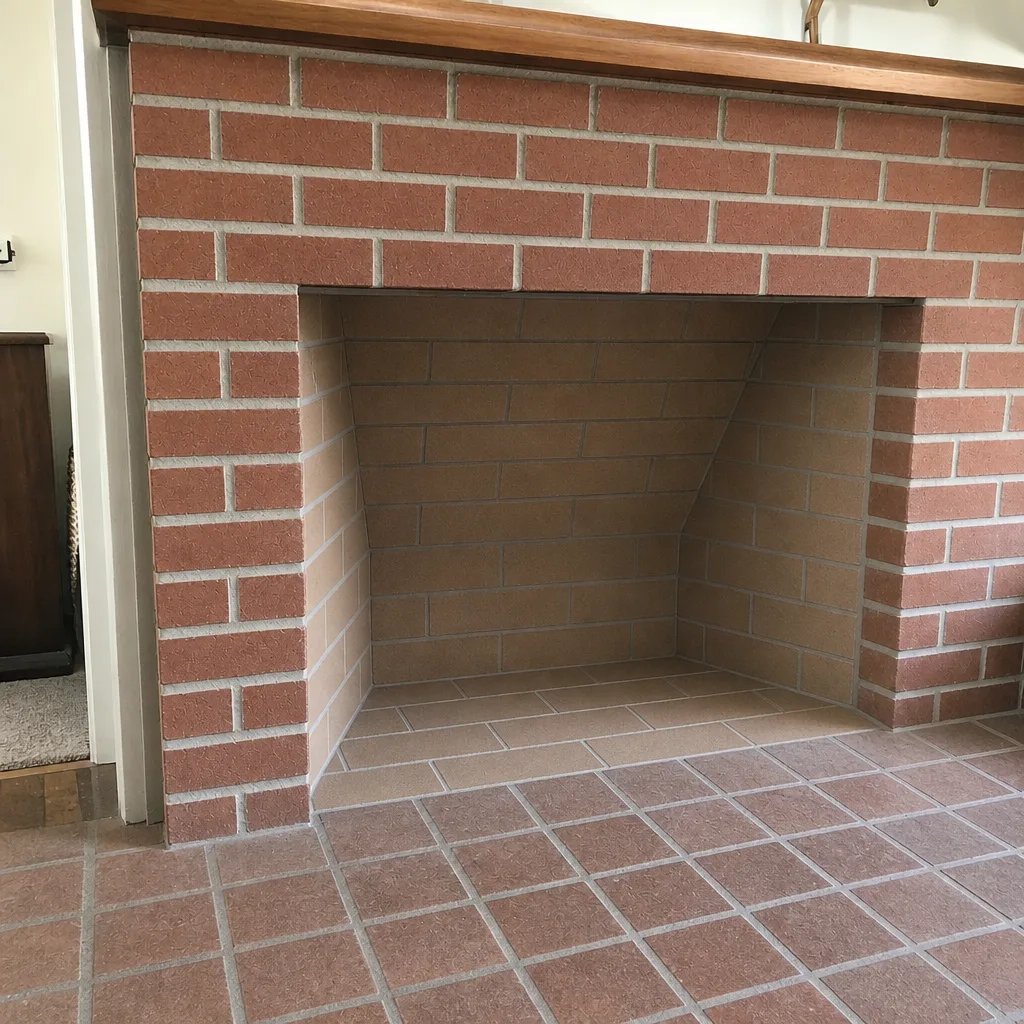
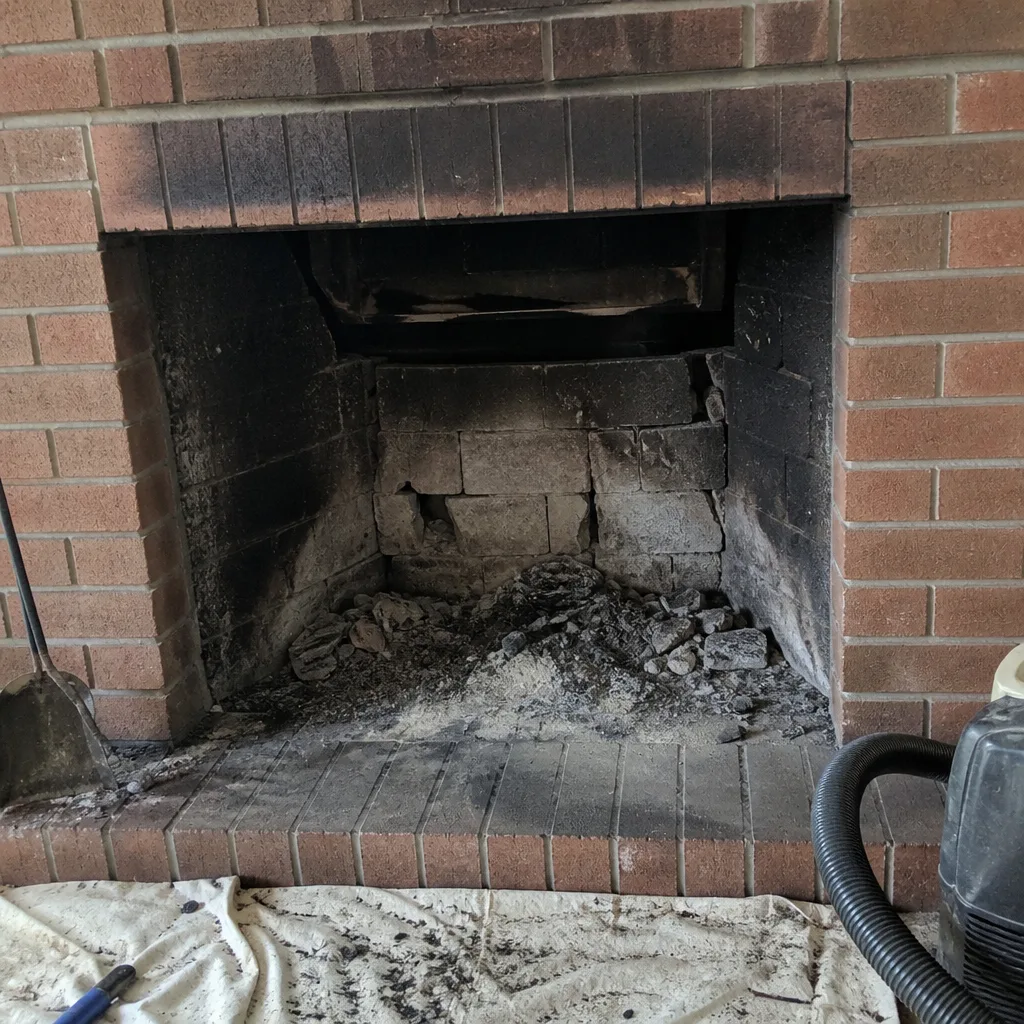
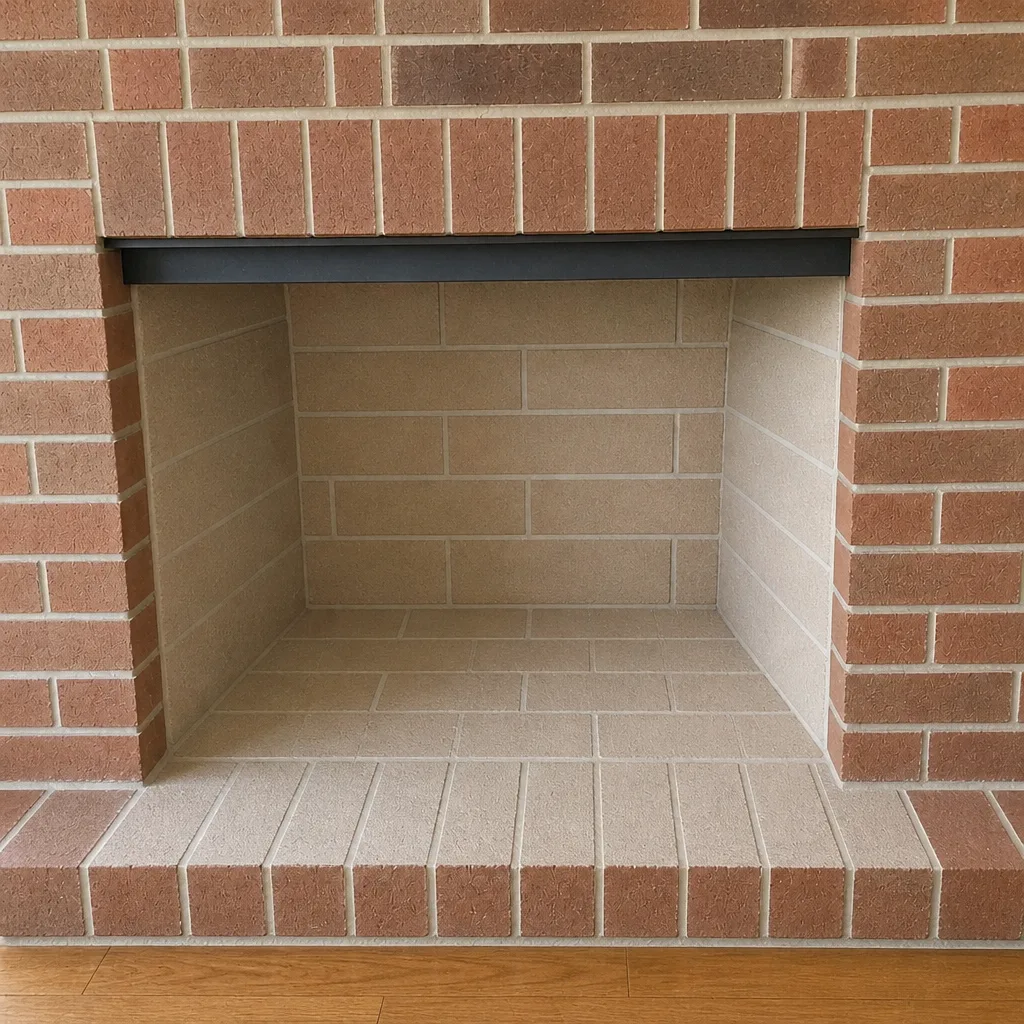
See the difference
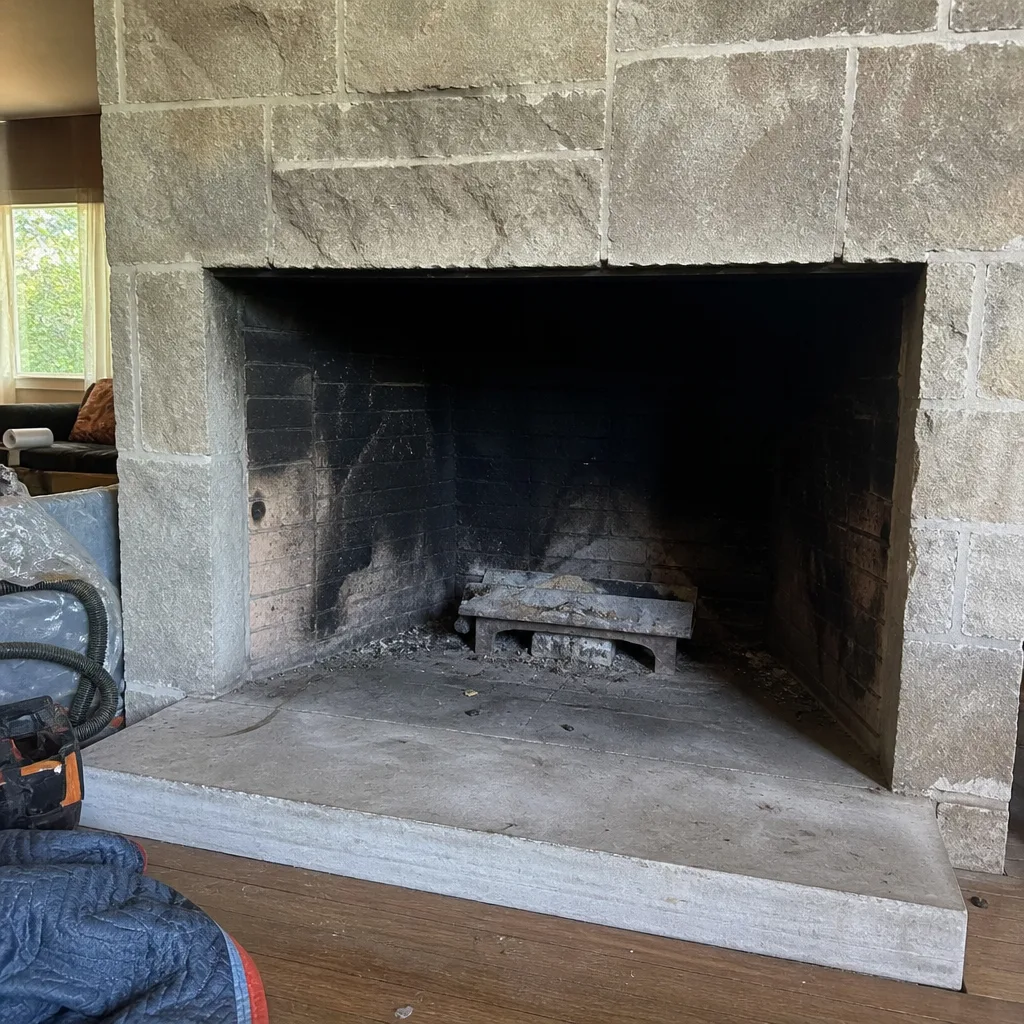 Before
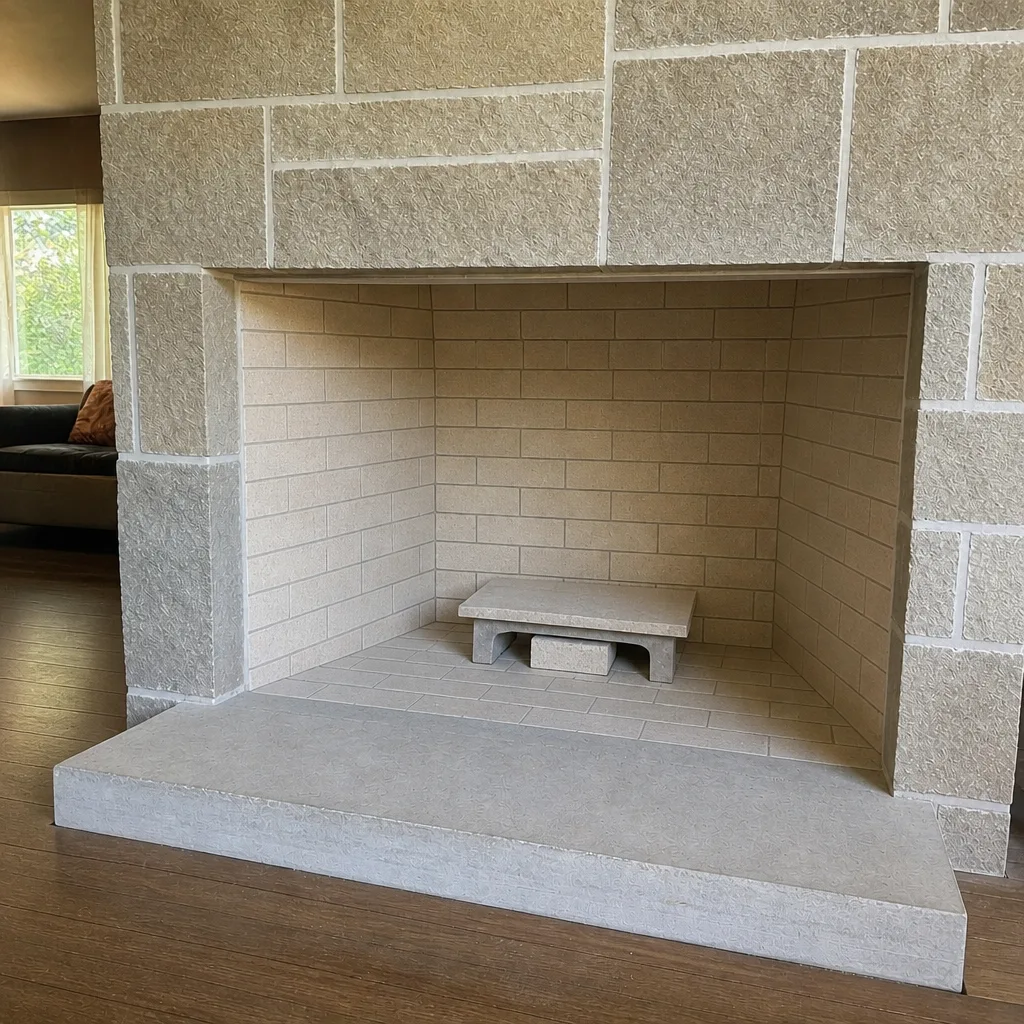 After
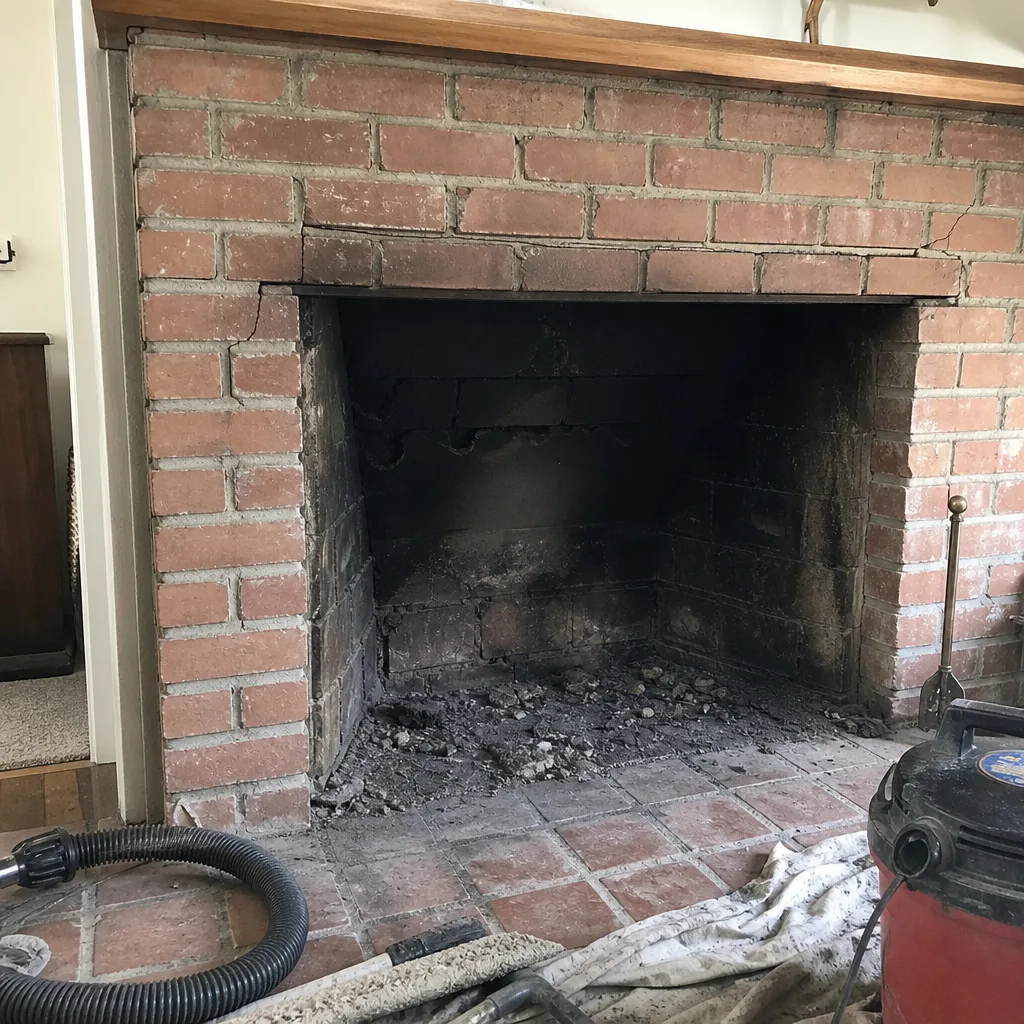 Before
 After
 Before
 After
When to Call a Professional
Call a professional when the chimney hasn’t been cleaned in over a year and the fireplace has been in regular use, when smoke backs up into the room on startup, when you notice creosote on the firebox surfaces, or when a visual check from the ground shows a damaged cap or crown. Call as well before you burn for the season in a home you’ve just bought, since you have no history of when the chimney was last serviced. Any time a chimney has been through a chimney fire or a significant event, a Level 2 inspection is the right call regardless of when the last cleaning was.
Chimney Sweep Northwood offers free estimates in Northwood. Call (855) 337-2036. We answer 24/7. Fast dispatch from 7am to 7pm, Sunday through Friday. The local professional is licensed and insured as their state requires, and the flat-price sweep is agreed before booking.
Frequently Asked Questions
Chimney cleaning in Northwood is priced per job by a written estimate, agreed before booking, so you know the price before any work starts. The estimate is free. A standard cleaning is one line on that estimate; if the camera scan turns up a liner issue or crown damage that needs repair, those items are quoted separately so you can decide what to authorize. Call (855) 337-2036 for an exact quote – estimates are free.
Once a year for an active fireplace or wood stove is the standard, and Northwood’s long burning season makes the annual visit worth keeping. If the fireplace is used heavily through the season, or the wood isn’t always well-seasoned, more frequent cleaning is worth considering. The inspection that comes with the cleaning will tell you whether the condition calls for a shorter interval.
Yes, a visual inspection should come with every cleaning – that’s what a Level 1 inspection is, and it’s the minimum appropriate for a routine service. A camera-based Level 2 inspection is the right call after a property sale, a new appliance installation, a chimney fire, or any other event that could have changed the structure. Ask which level applies before you book so the visit covers what you need.
Creosote builds up inside the flue where it can’t be seen, and once it reaches a heavy glaze, it’s a fire risk that brushing alone won’t resolve. Separately, an unnoticed liner crack or crown failure lets combustion gases or water into the structure. Skipping the cleaning doesn’t cause the damage directly, but it removes the inspection that would have caught it. Call (855) 337-2036 to book a cleaning and inspection together – estimates are free.
Often, yes. We handle the full chimney system – the sweep, the inspection, fireplace repair, chimney repair, and cap and crown installation – so a problem found during the cleaning can usually be addressed in the same visit if it’s straightforward. More involved repairs, like a DuraFlex relining or HeatShield resurfacing, get scheduled separately after you approve the estimate. You won’t need a second contractor for the follow-up work.
Without an inspection, no one can answer that honestly. If the chimney hasn’t been cleaned in over a year, if you see creosote on the firebox surfaces, or if you’ve had any smoke backup, it’s worth holding off on a fire until it’s checked. If the last cleaning was recent and the fireplace is drafting normally, using it while you wait for your appointment is usually fine. Call us if you’re unsure and want to talk it through – we answer 24/7.
The Bottom Line
Chimney cleaning in Northwood is the start of a diagnosis, not the end of one. The flue gets brushed, the firebox and smoke chamber get swept, and then the camera goes up the liner to find out what the brushing couldn’t – cracks, gaps, crown damage, cap problems, and creosote heavy enough to need repair rather than another sweep. The inspection level matters too: Level 1 after a routine cleaning, Level 2 after a property sale or a chimney event, Level 3 only when a hazard is suspected in concealed areas. What separates a full-system service from a brush-and-vacuum visit is the coverage – the liner, the crown, the cap, the smoke chamber, and the firebox, all checked, all reported, all handled by the same team. We use Gelco, HeatShield, DuraFlex, and Copperfield because the materials are part of the diagnosis, not an afterthought.
If your chimney is due for a cleaning, or you’ve just moved into a Northwood home and don’t know its history, call (855) 337-2036. We answer 24/7. Fast dispatch from 7am to 7pm, Sunday through Friday. The local professional is licensed and insured as their state requires, the flat-price sweep is agreed before booking, and the camera inspection and photo report are included. Call us for a free estimate and get the whole system looked at, not just the flue.
Written by the team at Chimney Sweep Northwood.