
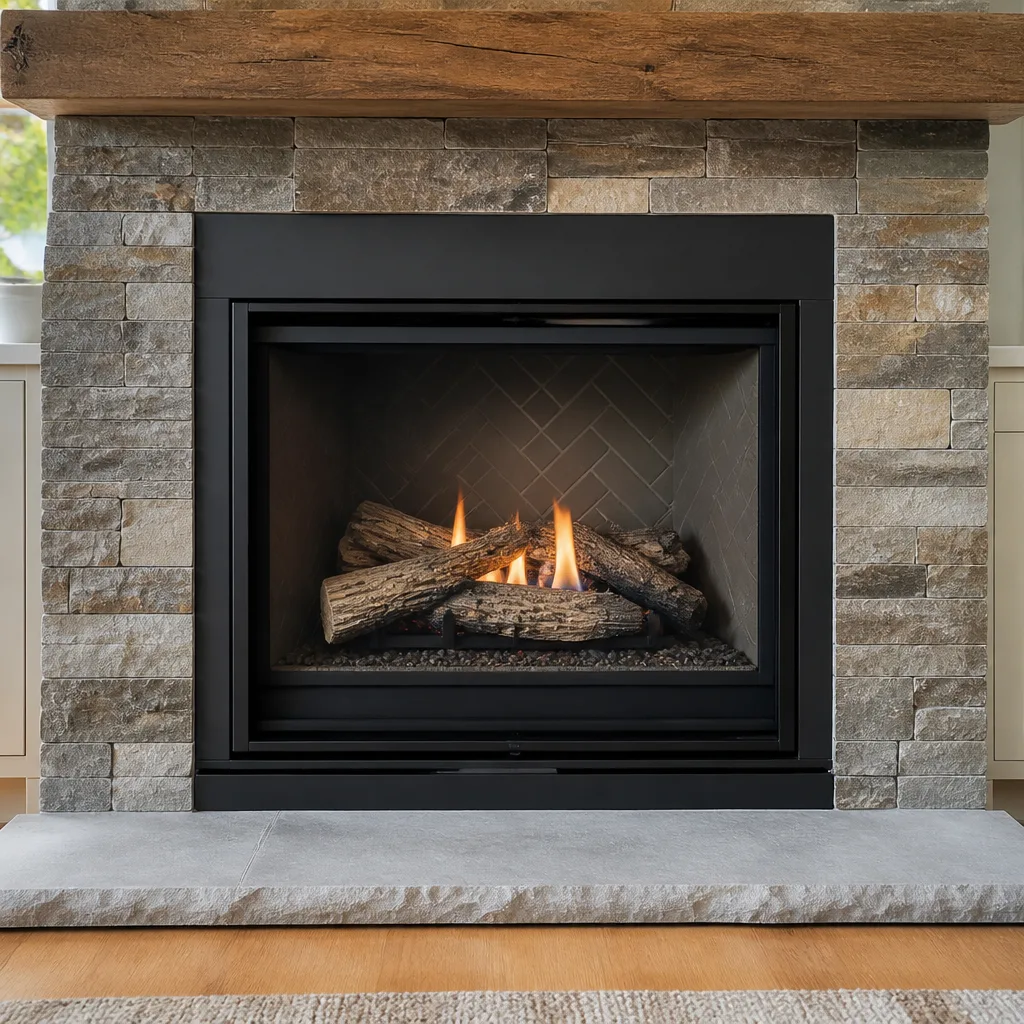
 Gas fireplace service
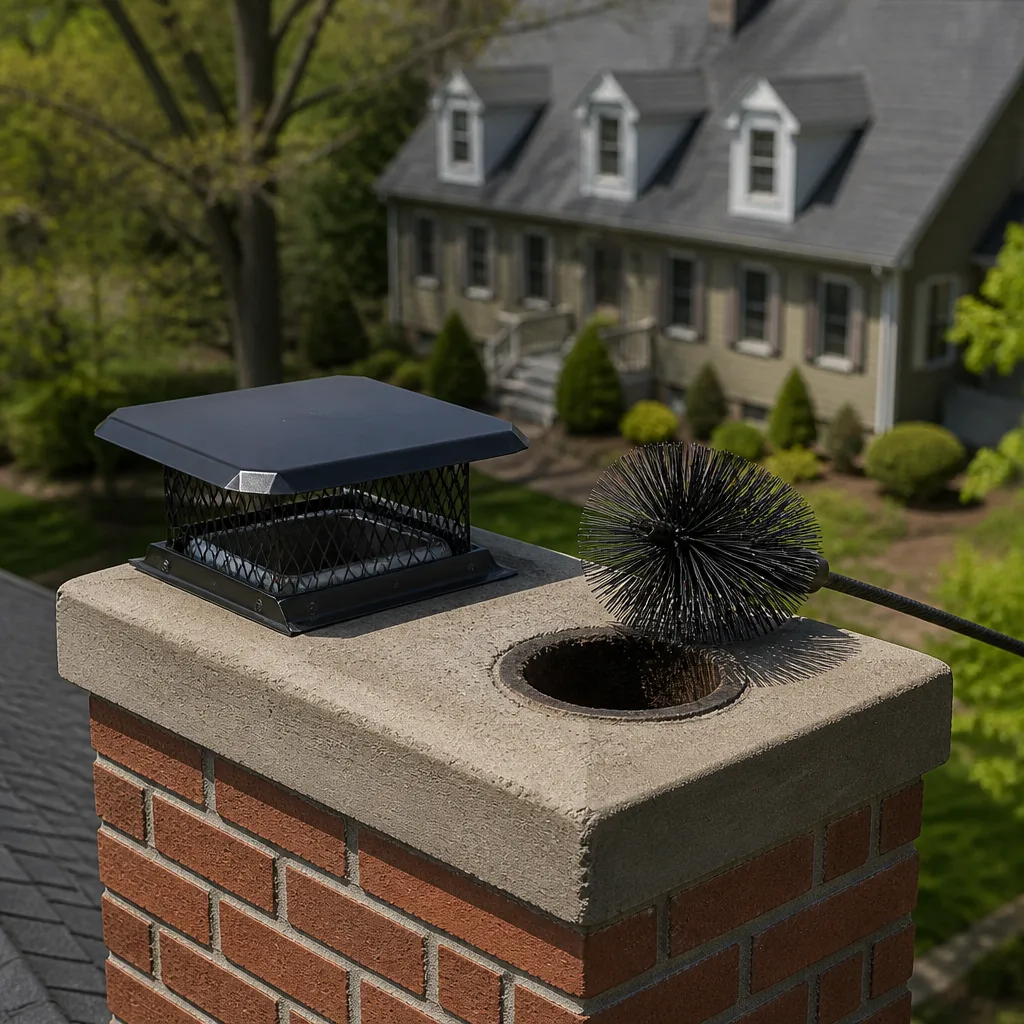 Sweep & inspection
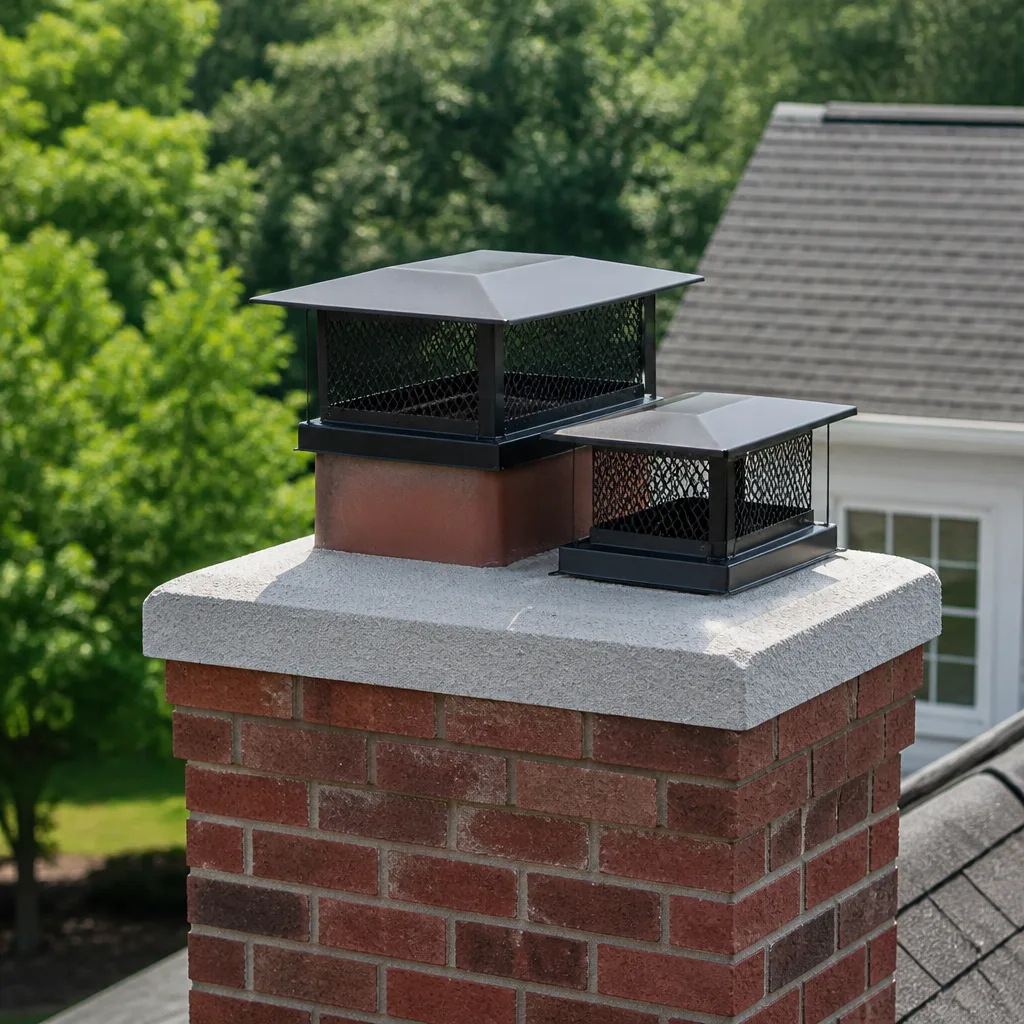 Caps & crowns
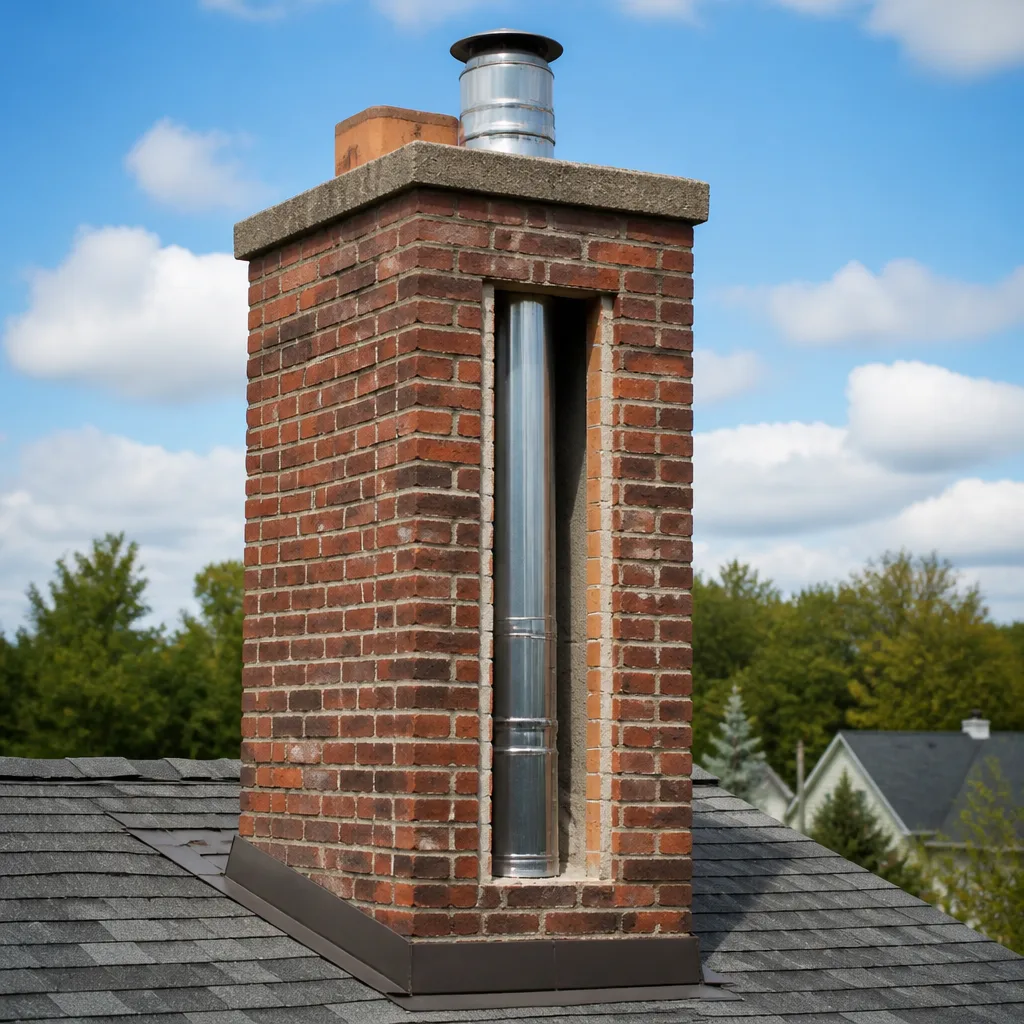 Flue relining
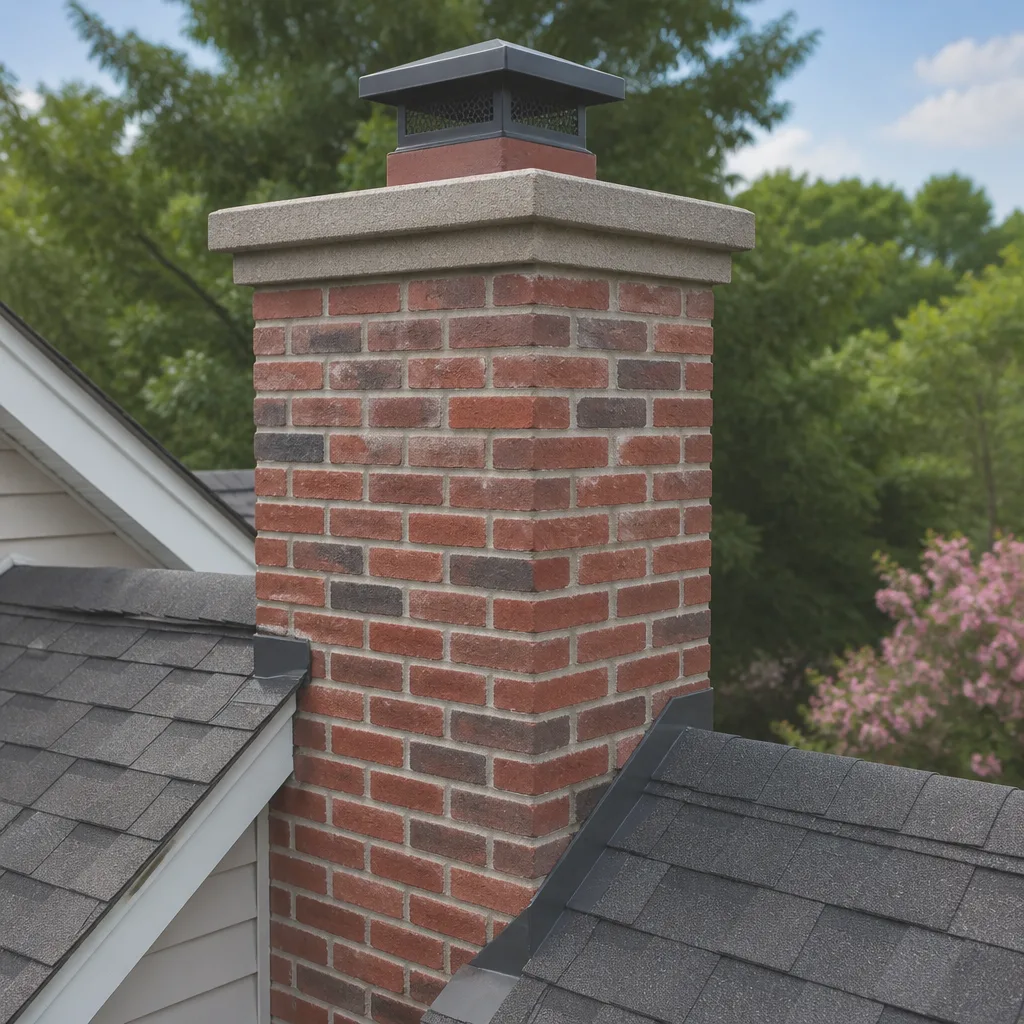 Masonry repair
Level 1 sweep and inspection to the NFPA 211 annual standard - flue, crown, cap, and flashing checked and photographed
Chimney sweep logs do not sweep chimneys. They loosen some creosote - which then falls where a brush and vacuum still have to collect it.
Why Northwood Homeowners Choose HeatShield Chimney Cleaning
We provide independent HeatShield chimney cleaning in Northwood for homeowners whose flues are lined with castable refractory rather than clay tile. That distinction matters more than most people realize: a HeatShield flue needs different brush technique, different creosote handling, and a different eye for what counts as normal wear. We aren’t affiliated with or authorized by HeatShield. We’re an independent service provider, and we work on HeatShield-lined chimneys because they’re part of what Northwood homes actually have.
HeatShield is a flue resurfacing product, not a fireplace brand. That one fact changes how a flue gets serviced. A HeatShield liner is applied on site as a castable refractory, so reading whether it’s still serviceable takes knowledge of the material, not of a label on your fireplace. Most of the chimney calls we take in Northwood start with a routine sweep and end with a better understanding of what’s inside the flue. Our technicians have up to 10 years of experience with that.
You can reach us at (855) 337-2036. We answer 24/7. Fast dispatch from 7am to 7pm, Sunday through Friday.
Why Trust Chimney Sweep Northwood for Your HeatShield Chimney Cleaning?
HeatShield work rewards familiarity. The castable surface behaves differently under a brush than smooth clay tile does, and a technician who hasn’t swept that material can either leave glazed creosote behind or chew up the surface trying to get it. Our technicians have up to 10 years of experience with those differences, and we treat HeatShield-lined flues as their own category of work, not as a variation on clay tile.
When a HeatShield liner needs attention, we use quality parts and materials that fit the application correctly. The liner itself is proprietary castable refractory applied on site rather than a bolted-in component, so there’s no meaningful aftermarket substitute. Genuine HeatShield material applied by the manufacturer’s method is the standard we hold to. That protects the work you’ve already paid for and keeps the liner performing the way it was designed to.
We also keep your warranty in mind. Service done wrong on a castable liner, whether that’s an aggressive rotary chain or a repair using the wrong mortar, can compromise both the liner and any coverage behind it. If a liner is under warranty or you’re not sure, tell us before we start. We’ll adjust how we work and document what we find with photos, so there’s a clear record either way.
This is one part of a full-system approach. We handle inspection, cleaning, fireplace repair, chimney repair, and cap and crown installation, so a HeatShield issue doesn’t get handed off to a second contractor halfway through.
Styles & brands we work with
- Sweep & inspection
- Caps & crowns
- Flue relining
- Masonry repair
- Gas fireplace service
Common HeatShield Chimney Cleaning Problems We Fix in Northwood
Most HeatShield issues we see in Northwood fall into a handful of patterns. Here’s what they look like and why they happen.
- Hairline and shrinkage cracking in the castable surface. Years of heating and cooling cycles leave fine crack patterns in the refractory. Often that’s cosmetic and no cause for alarm. Sometimes the cracks run deep enough to expose the underlying tile or substrate, and that’s when a Level 2 evaluation is the right next step rather than a guess.
- Deterioration at the top of the flue. The upper section of a liner takes the worst of it first. Rain intrusion, temperature swings, and the seal where the crown meets the flue attack the refractory surface up there before anything goes wrong lower down. Northwood’s dry climate cuts down on freeze damage but doesn’t stop water from finding a failed joint.
- Spalling and soft, chalky patches. Water migrating through a failed crown, cap, or flashing softens the castable over time. It reads like the liner is failing when the real fault is moisture getting in from above. Fixing the water source first changes the whole repair plan.
- Creosote glazing bonded to the rough castable. Creosote grabs the textured surface of a castable liner tighter than it does smooth clay tile. That makes it harder to sweep and easy to damage with the wrong brush or an aggressive rotary chain. It takes patience and the right tool, not more force.
- Debris and pest intrusion through a failing cap. Wind-blown grit, ash, and palm fronds pack into older metal caps and spark arrestors, and a compromised cap lets moisture and pests in at the same time. The liner takes the damage. A proper cap and crown check usually catches this before it becomes a liner problem.
Here’s how this usually goes. A homeowner books a routine annual sweep and the sweep finds the flue interior is castable refractory rather than clay tile, so the brush choice and technique change. A poly brush rather than a metal rotary chain, because a chain can chew the rough castable surface. During the sweep the tech notes glazed creosote in the upper third plus a hairline crack pattern in the liner, photographs both, and recommends a Level 2 inspection before deciding whether the liner is merely dirty or actually compromised. If water staining or a failed crown shows up, the usual resolution is crown repair and waterproofing first, with the liner reassessed a season later rather than relined immediately.
HeatShield Parts & Our Repair-vs-Replace Approach
HeatShield liners don’t have a parts catalog in the usual sense. They’re proprietary castable refractory applied in place, so there’s no aftermarket version of the material that does the same job. When a HeatShield liner needs repair, we use genuine HeatShield material and the manufacturer’s application method. That’s not a sales angle; it’s the only thing that performs correctly in a castable flue.
Repair is usually the right call for surface cracking and isolated spalling. Full replacement is justified when the castable has lost thickness, delaminated from the substrate, or been compromised at the top. The decision should never come from a quote written before anyone looked inside the flue. We photograph what we find, including the crack pattern, the glazing, and any water staining, and we show you the images before recommending anything. If the liner can wait a season, we say so.
Before any work, we set the price with a written estimate agreed before booking. Call (855) 337-2036 for a free estimate.
Our HeatShield Service Process – Step by Step
- 1
Diagnosis. We start with a visual check of the firebox, smoke chamber, and flue, then sweep the liner with a poly brush suited to castable refractory. If cracks, spalling, or water staining show up, we move to a Level 2 inspection with photos of the flue interior.
- 2
Repair or install. For surface cracking and isolated spalling, we resurface with HeatShield material using the correct application method. Where the water source is the problem, we repair the crown or flashing and waterproof first, then reassess the liner.
- 3
Test. After any repair, we check draft and confirm the liner surface is sound and the smoke chamber transitions cleanly. A liner that looks fine but doesn’t draft right wasn’t fixed.
- 4
Warranty and record. We hand over the photos and a written record of what we did and why, so the liner’s condition is documented if warranty questions come up later.
See the difference
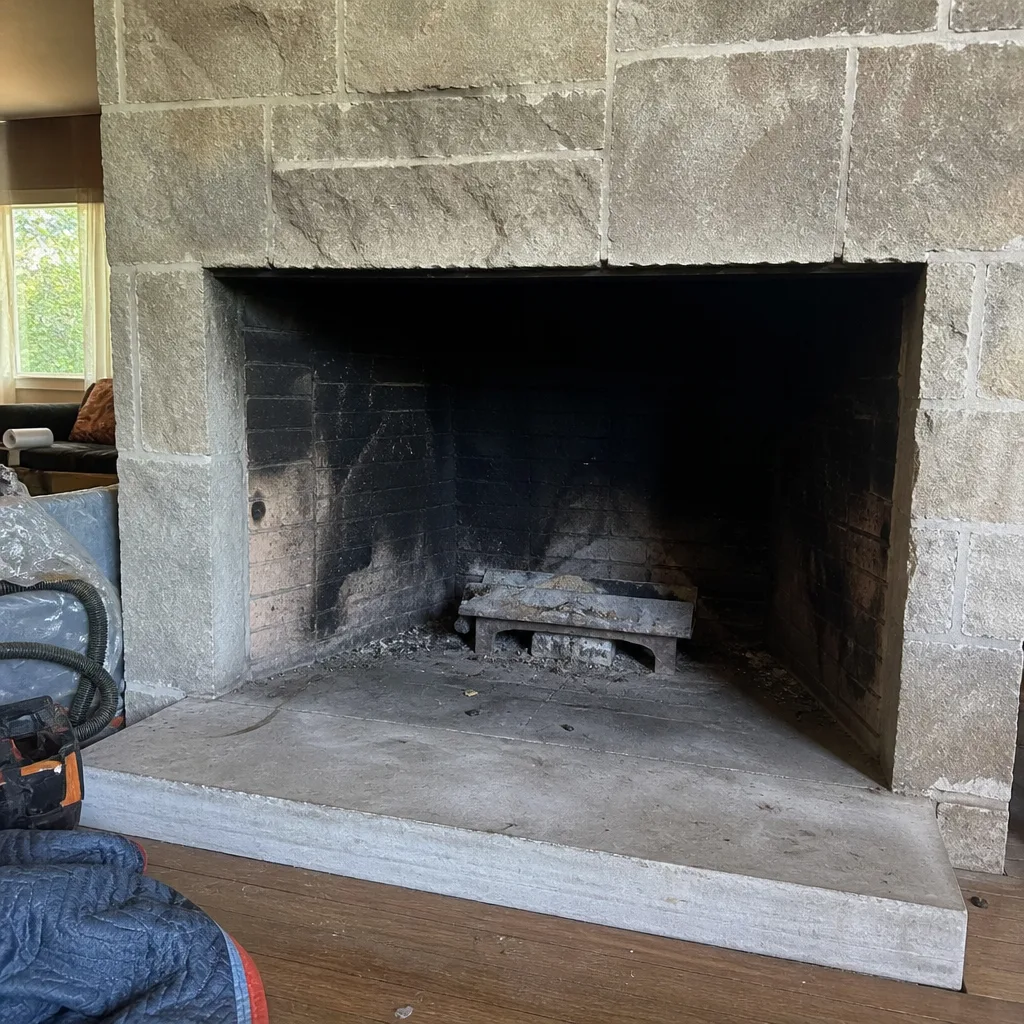 Before
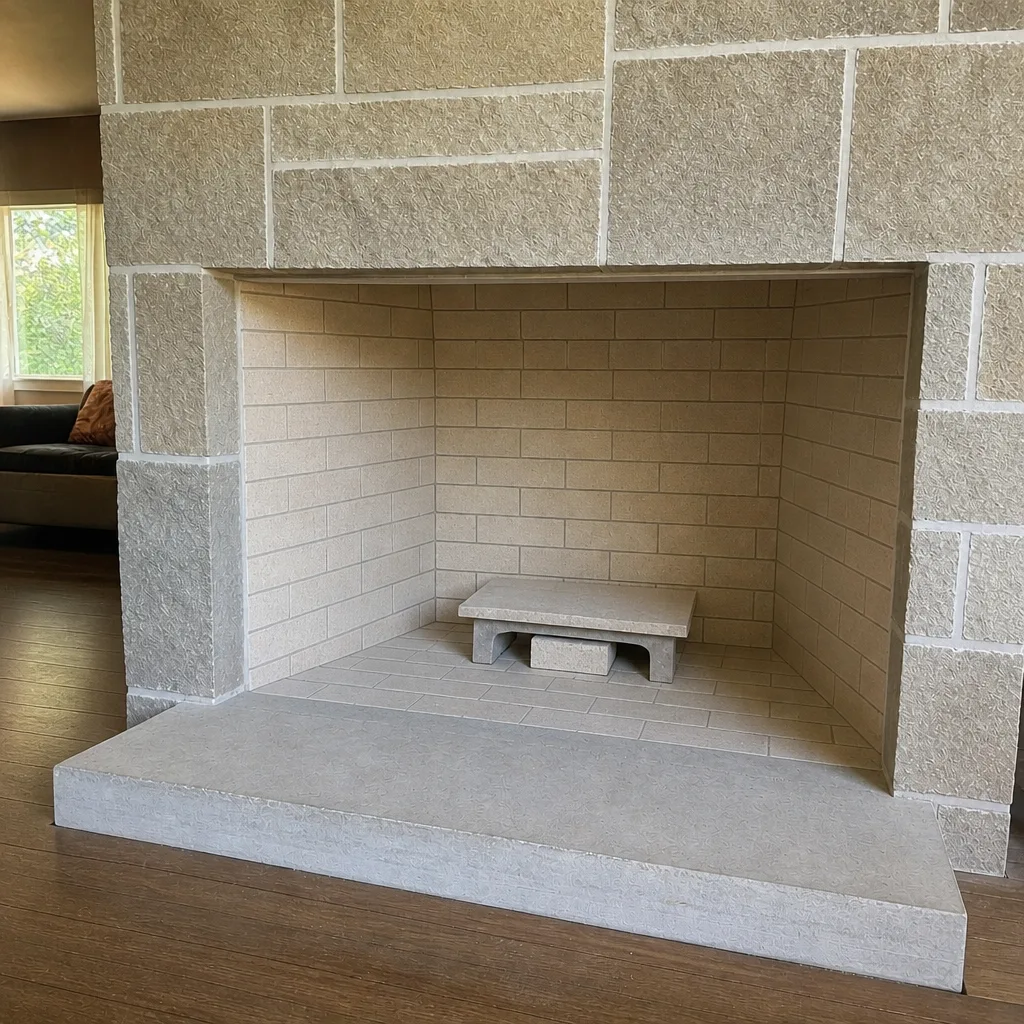 After
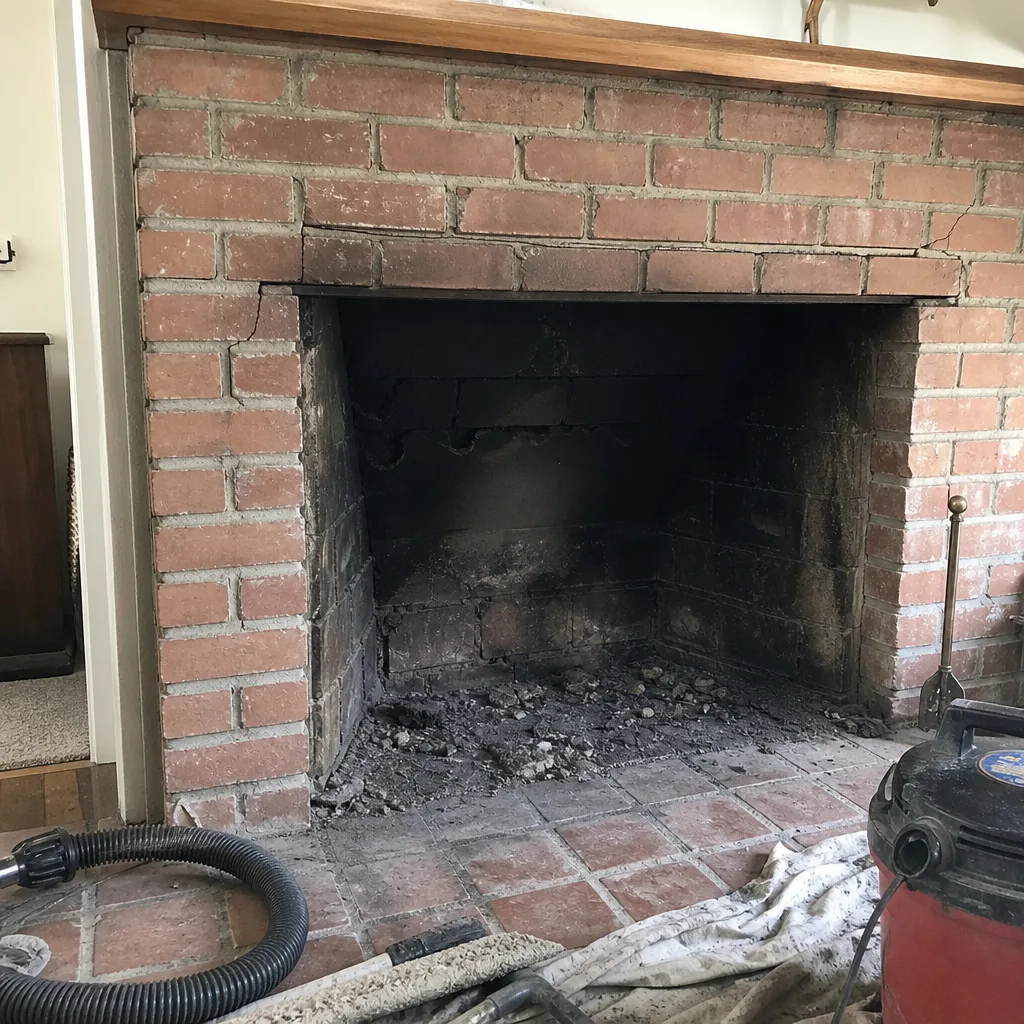 Before
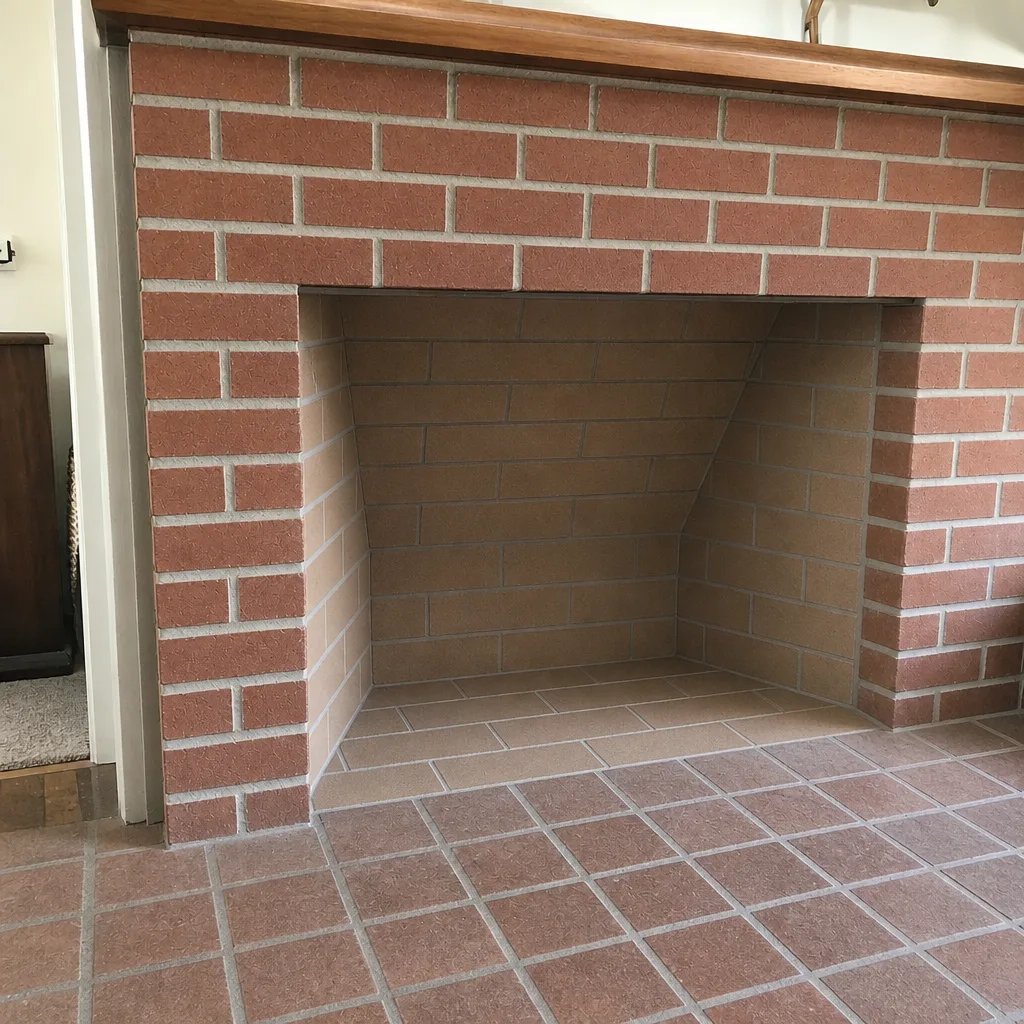 After
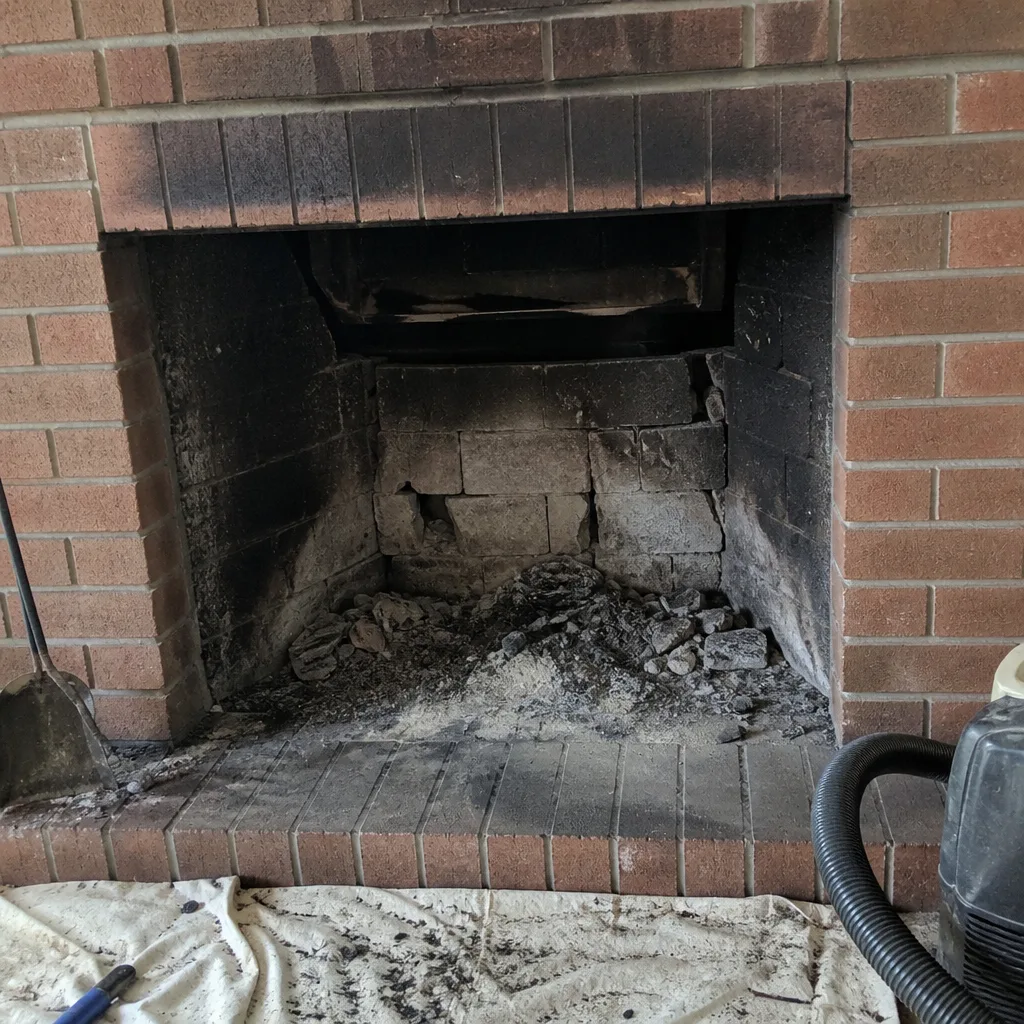 Before
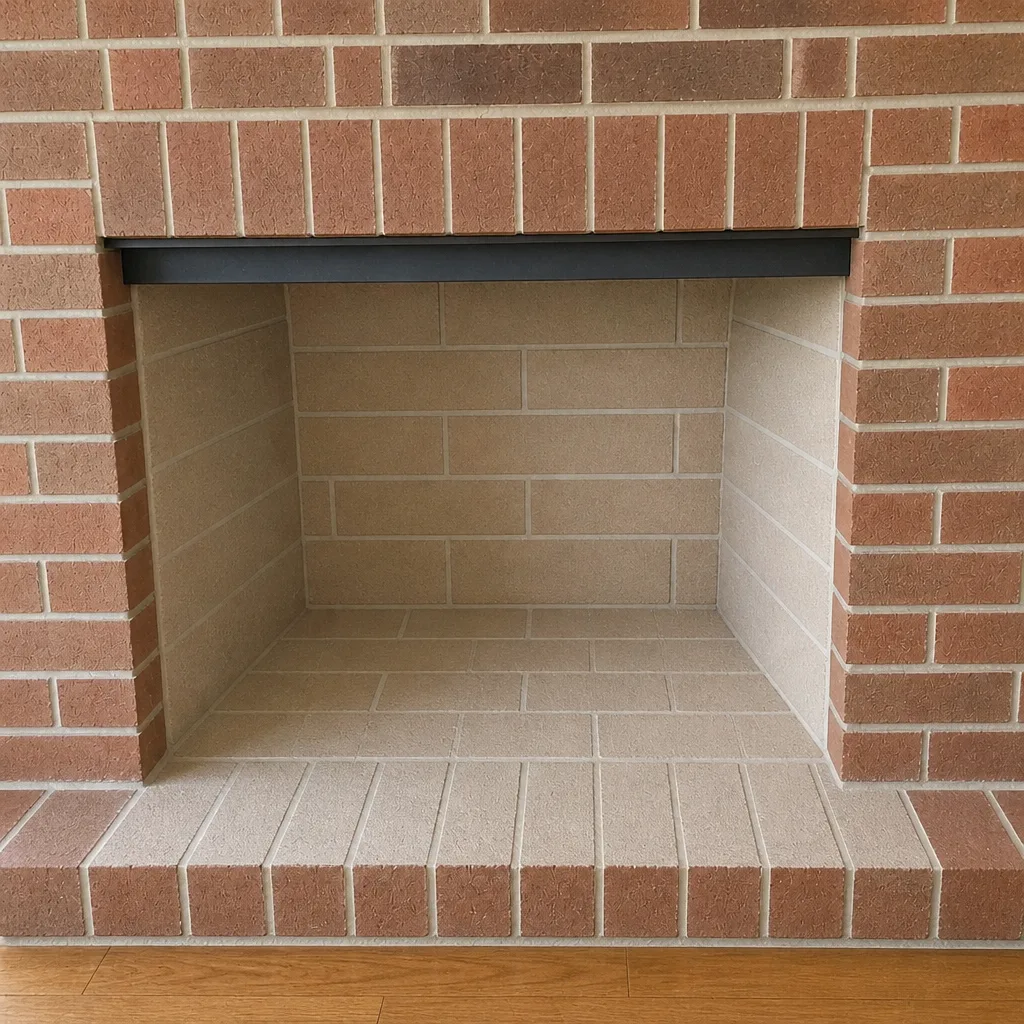 After
HeatShield Products We Service & Install in Northwood
We work with HeatShield’s castable refractory liner, applied over an existing flue or as a stand-alone liner. We service the HeatShield Resurfacing System, the original formulation applied to cracked clay tile interiors. We handle the HeatShield Insulation Mix and insulating refractory blend used with the liner pour. And we use HeatShield high-temperature refractory mortar and wash for firebox and smoke chamber touch-ups.
That range covers liners, resurfacing, and the mortar work around them. If you’re not sure which one you have, a Level 2 inspection with photos will tell you. Given Northwood’s wind-blown dust and debris, the cap and crown joint should be checked on the same visit. We don’t stock HeatShield materials or claim to be a dealer; we work with what fits and document what we find.
We Also Service These Brands
HeatShield is one brand in a broader toolkit. We also work with DuraFlex liners and Gelco components, plus Olympia Chimney, Famco, and Copperfield parts for caps, crowns, and related hardware. That matters if your chimney has mixed components: a HeatShield liner with a Gelco cap, say. We can work across brands on one visit rather than making you line up separate contractors for each part of the system.
FAQs – HeatShield Chimney Cleaning Service in Northwood
No. We’re an independent service provider, not a HeatShield dealer or an authorized representative. We service and repair HeatShield-lined chimneys using genuine HeatShield material and the correct application method, but we’re not affiliated with or certified by the manufacturer. Call (855) 337-2036 for a free estimate.
Yes. HeatShield liners use proprietary castable refractory, so there’s no aftermarket substitute that performs the same way. We use genuine HeatShield material and the manufacturer’s application method for repairs and resurfacing, and we don’t substitute generic mortar or off-brand refractory in a castable flue. Call (855) 337-2036 for a free estimate.
A routine sweep on a HeatShield-lined flue usually takes about the same time as a clay flue sweep, sometimes a little longer because the castable is harder to brush clean. A Level 2 inspection or a resurfacing job takes longer, and we set the timing in the written estimate after we’ve seen the flue. Call (855) 337-2036 for a free estimate.
We service HeatShield’s castable refractory liner, the Resurfacing System applied to cracked clay tile, and HeatShield’s Insulation Mix and refractory mortar used for firebox and smoke chamber work. If you’re not sure what’s in your flue, a Level 2 inspection with photos will identify it. Call (855) 337-2036 for a free estimate.
Not if the work is done with genuine HeatShield material and the correct application method. Problems come from the wrong brush, an aggressive rotary chain, or a generic mortar dressed up as a repair. Those can compromise both the liner and any warranty behind it. Tell us if your liner is under warranty before we begin. Call (855) 337-2036 for a free estimate.
A routine sweep on a HeatShield-lined flue is typically priced in the same range as a standard chimney cleaning, and the written estimate sets the final price. If the sweep turns up cracks, spalling, or water staining, a Level 2 inspection is a separate line item, and resurfacing or repair gets its own estimate after we’ve photographed the flue. Nothing gets recommended without evidence you can see for yourself. Call (855) 337-2036 for an exact quote; estimates are free.
A HeatShield liner looks like a continuous, slightly rough castable surface with no visible tile joints, while clay tile shows stacked rectangular sections with mortar seams between them. The difference isn’t always obvious from the firebox, which is why we check with a camera during the sweep. If you’re not sure, a Level 2 inspection with photos will settle it. Call (855) 337-2036 for a free estimate.
No. Hairline and shrinkage cracks in the castable surface are common after years of heating and cooling and are often cosmetic. What matters is whether a crack runs deep enough to expose the underlying tile or substrate, which is why we photograph the pattern and recommend a Level 2 evaluation before deciding. Relining on a hairline crack alone is premature. Call (855) 337-2036 for a free estimate.
Not quite. The rough castable surface grabs creosote tighter than smooth clay does, and an aggressive rotary chain can chew into it. A poly brush with the right technique cleans a HeatShield liner without damaging the surface. That’s one of the reasons we ask what kind of liner you have before booking. Call (855) 337-2036 for a free estimate.
Rain intrusion, temperature swings, and the seal where the crown meets the flue hit the top section hardest. Water migrating through a failed crown, cap, or flashing softens the castable, and the damage shows up up there before it does lower down. Fixing the water source and waterproofing the crown is usually the first step, with the liner reassessed afterward. Call (855) 337-2036 for a free estimate.
HeatShield is a flue resurfacing product: castable refractory applied to a flue interior, plus the insulation mix and refractory mortar that go with that work. It’s not a fireplace or insert manufacturer, so if you’re shopping for an appliance, HeatShield isn’t the brand for that. If you’re not sure what your flue contains, we can check during a sweep. Call (855) 337-2036 for a free estimate.
Book Your HeatShield Service in Northwood, CA
If your Northwood flue is lined with HeatShield castable refractory, book a sweep with a team that works with the material often. We’ll sweep it correctly, photograph what we find, and tell you plainly whether the liner needs repair now or can wait a season. Call (855) 337-2036 for a free estimate. We answer 24/7. Fast dispatch from 7am to 7pm, Sunday through Friday.
Written by the team at Chimney Sweep Northwood.