
Last updated November 24, 2026
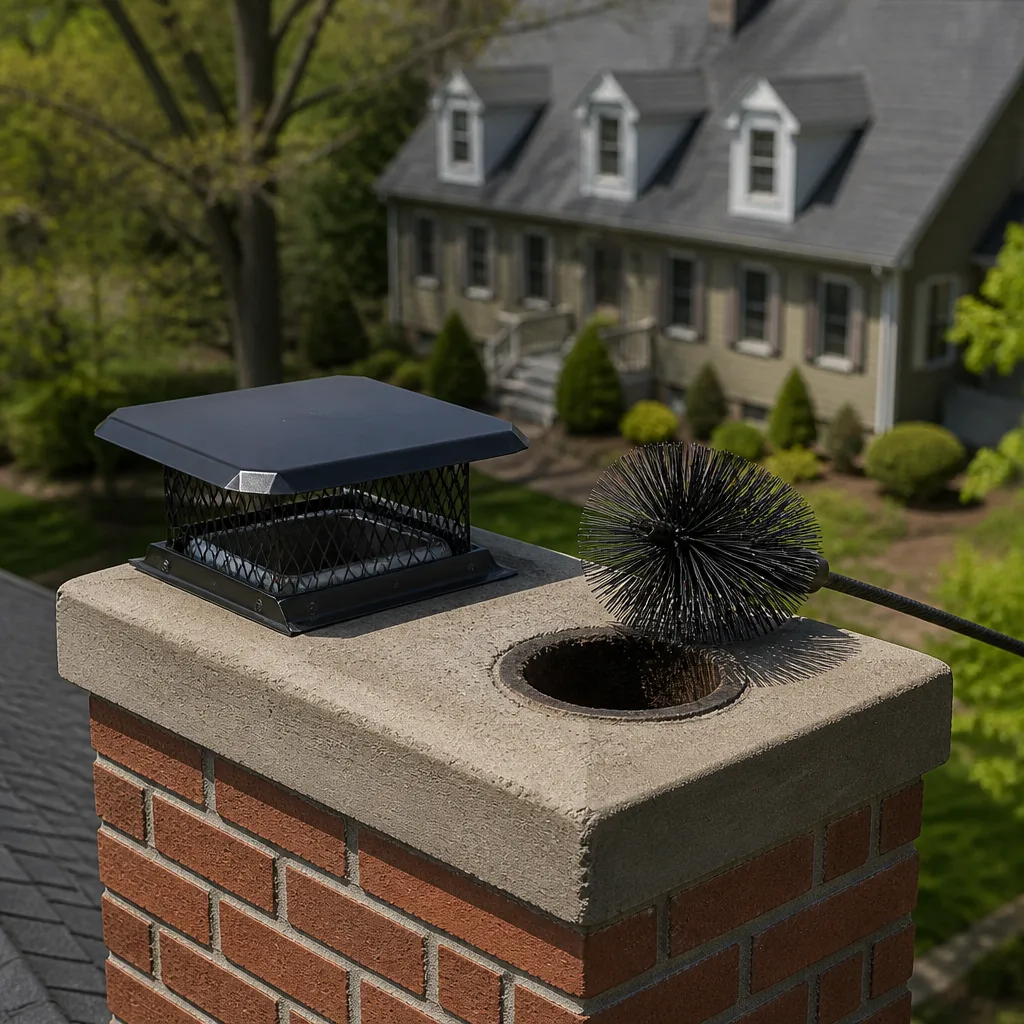 Sweep & inspection
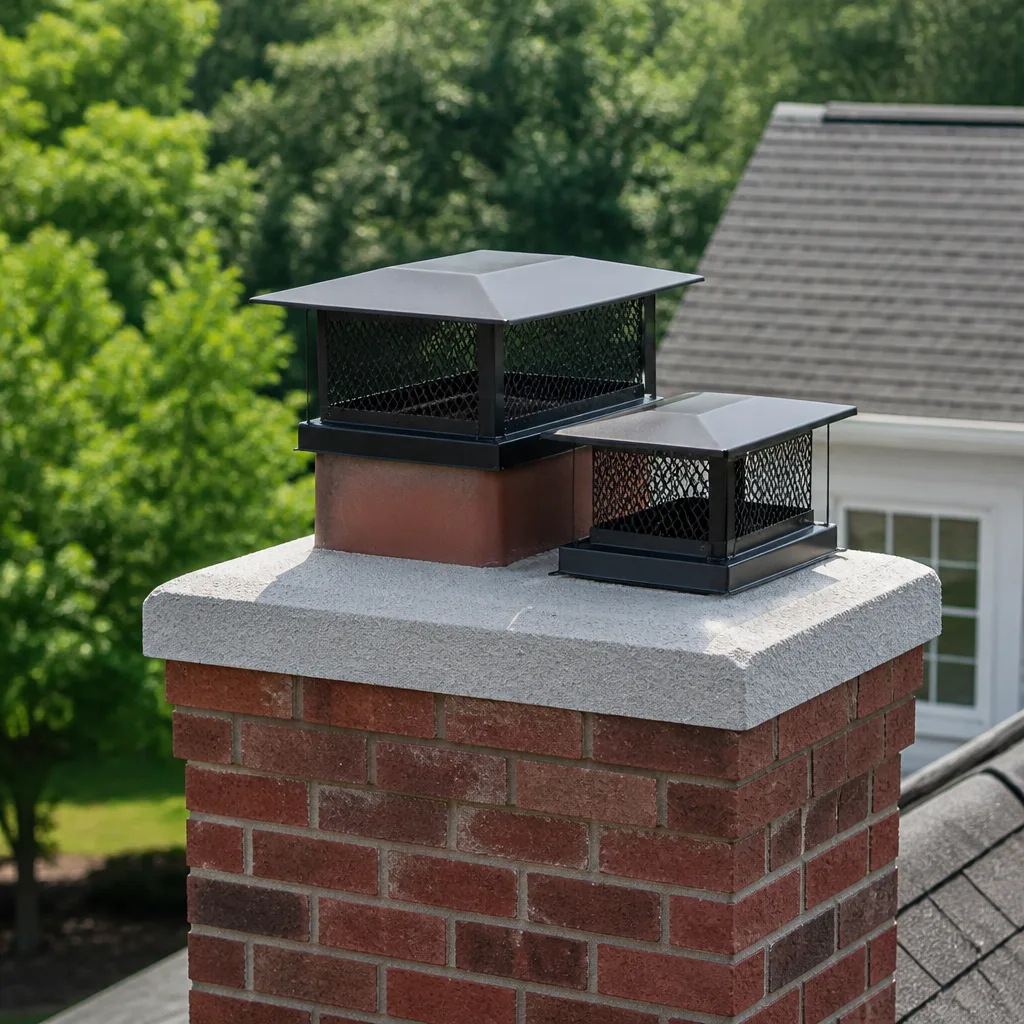 Caps & crowns
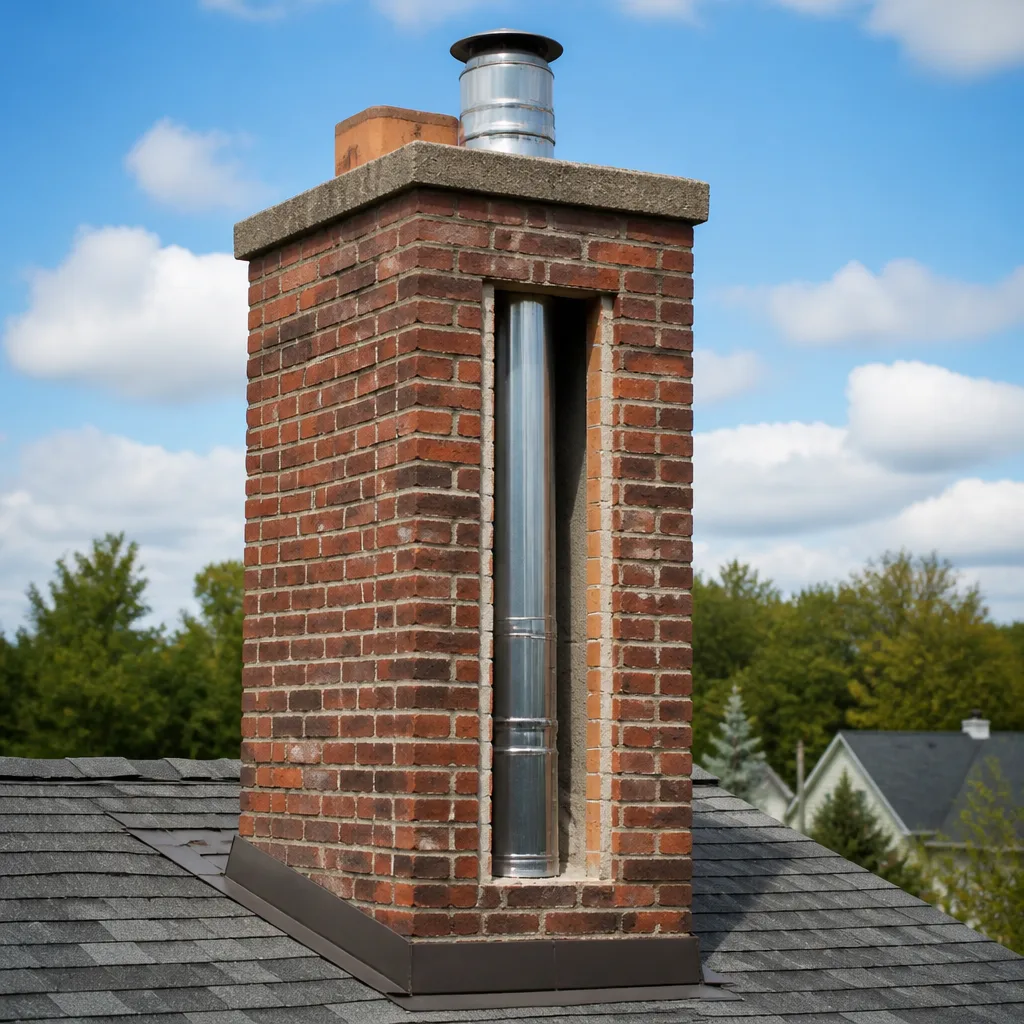 Flue relining
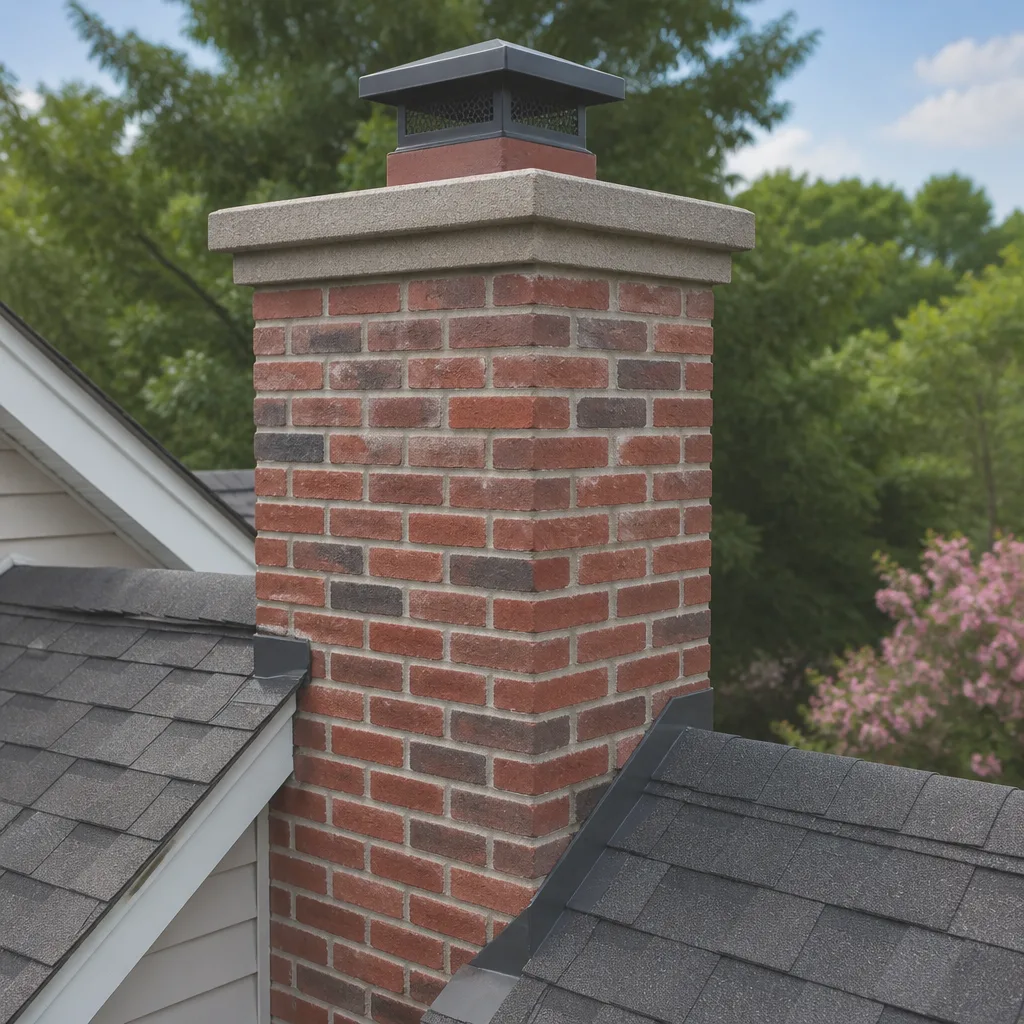 Masonry repair
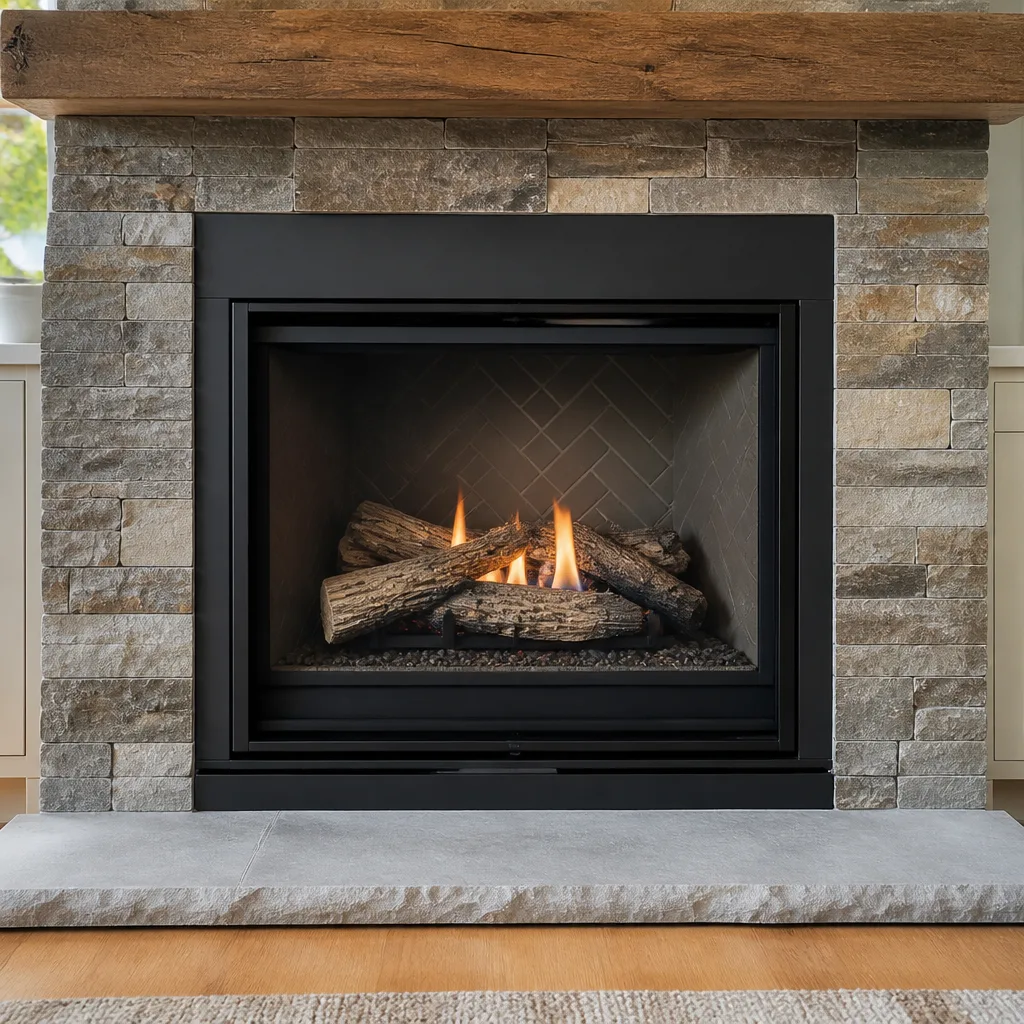 Gas fireplace service
Level 1 sweep and inspection to the NFPA 211 annual standard - flue, crown, cap, and flashing checked and photographed
Chimney sweep logs do not sweep chimneys. They loosen some creosote - which then falls where a brush and vacuum still have to collect it.
Chimney Sweep Maintenance Checklist for Northwood Homeowners
Generic chimney checklists tell you to “schedule an annual sweep.” That’s not a checklist, it’s a reminder. A real maintenance checklist tells you what to look at, what acceptable looks like, and what moves you from maintenance into repair. The difference matters most in a place like Northwood, where dry summers and the Santa Ana wind events that sweep through Southern California load the outside of a chimney with grit and fine debris while the inside quietly collects creosote and glaze. What you check and when depends on what your system actually contains: a wood-burning fireplace, a gas insert, a pellet stove, a clay-tile flue, or a liner that’s been resurfaced. This guide walks you through it component by component, so you know exactly where your Northwood chimney stands.
Styles & brands we work with
- Sweep & inspection
- Caps & crowns
- Flue relining
- Masonry repair
- Gas fireplace service
Quick Answer
A chimney maintenance checklist for a Northwood home should cover nine components: firebox joints, damper, smoke shelf, flue liner, smoke chamber, crown, cap, exterior masonry, and the firebox floor. You check the accessible parts visually each month during burning season, get a professional inspection and sweep once a year, and move from maintenance to repair the moment you find cracked joints, a spalled crown, a rusted or missing cap, or a liner with gaps. Fuel type changes the schedule: wood burns dirtiest and needs the most frequent sweeping, gas inserts need inspection over cleaning, and pellet stoves sit in between.
Table of Contents
- Why a Component Checklist Beats an Annual Reminder
- The Firebox: Joints, Floor, and What You’re Looking For
- Damper and Smoke Shelf: The Overflow Controls
- The Flue Liner: The Most Important Part You Can’t See
- Crown and Cap: Your First Line Against Water and Wildlife
- Exterior Masonry in Northwood’s Dry Climate
- Maintenance Intervals by Fuel Type
- The Homeowner’s Between-Visit Visual Check
- Documenting Maintenance for Insurance and Resale
- Common Mistakes to Avoid
- When to Call a Professional
- Frequently Asked Questions
- The Bottom Line
Why a Component Checklist Beats an Annual Reminder
A chimney is not one thing. It’s a stack of separate parts, each doing a different job, each failing in a different way. The firebox contains the fire. The damper and smoke shelf manage airflow. The liner carries exhaust up and out. The crown sheds water off the top, and the cap keeps rain, birds, and debris out of the flue. When we inspect a chimney in Northwood, we’re not just looking at how much soot has accumulated. We’re checking whether each of those parts is still doing its job.
That’s why a season-by-season reminder misses so much. “Get a sweep every fall” tells you nothing about the hairline crack in a firebox joint that lets heat reach framing, or the crown that’s spalling after fifteen dry summers, or the cap screen that’s torn and letting birds nest in the flue. A component checklist forces you to look at each part on its own terms.
It also changes the conversation about repair. When you know what your liner is made of and how old your crown is, you can tell the difference between normal wear and a component that’s actually failed. That’s the difference between booking a routine chimney sweep and booking a repair.
The good news: most of what you need to check, you can see with a flashlight and a mirror. The rest needs a trained eye and a camera. This guide covers both.
The Firebox: Joints, Floor, and What You’re Looking For
The firebox is the brick chamber where the fire sits. Its job is to contain heat and direct smoke upward. What you check here: the mortar joints between the firebrick, the firebrick faces themselves, and the floor of the firebox.
What acceptable looks like
- Mortar joints are intact, with no gaps wider than a hairline.
- Firebrick faces are solid, not flaking or crumbling.
- The firebox floor is level, with no soft spots or loose brick.
- No rust stains, white chalky deposits (efflorescence), or dark streaks that suggest water is getting in.
What moves you from maintenance to repair
- Joints that have receded enough that you can slide a putty knife in.
- Cracked firebrick that exposes the brick behind it.
- Any soft or crumbly mortar you can dig out with a screwdriver.
- Rust on a metal firebox assembly, which signals water intrusion from above.
Small joint repairs are a routine part of fireplace repair and are far cheaper than replacing firebrick. Left alone, a receded joint lets heat and moisture into the brick structure behind the firebox, and that’s where the expensive work starts.
Damper and Smoke Shelf: The Overflow Controls
The damper is the metal plate at the top of the firebox that opens and closes the flue. The smoke shelf is the ledge just behind and above the damper, where smoke gathers before it turns up the flue. Both are simple parts with a big effect on how your fireplace behaves.
Check the damper
- Open the damper fully and confirm it swings freely and stays open.
- Close it and confirm it seals reasonably well against the frame.
- Look for rust, warping, or a hinge that’s come loose.
- Check the operating handle, whether it’s a poker-style lever or a rotary wheel.
A damper that sticks, warps, or won’t close fully is a common complaint we hear from Northwood homeowners, and it’s usually a repairable part. A damper that won’t open at all is a safety issue, because smoke has nowhere to go but into the room.
Check the smoke shelf
The smoke shelf collects soot and debris and needs to be swept clean during a professional visit. You can peek at it with a mirror and flashlight from inside the firebox. What you don’t want to see: a shelf packed with soot, or debris that has fallen from above. Both are reasons to book a sweep rather than wait. If you’re still sorting out what kind of service you actually need, our Chimney Sweep Northwood main page lays out what a full inspection includes and how it differs from a basic sweep.
The Flue Liner: The Most Important Part You Can’t See
The liner is the wall that separates the inside of your chimney from the framing and insulation around it. It’s the reason a chimney is safe. When a liner fails, heat and carbon monoxide can move into places they don’t belong, and that’s not something a flashlight will show you from the hearth. This is where a professional inspection with a camera earns its keep.
What a liner inspection covers
- Clay tile liners: cracks, gaps at the joints, missing tiles, and glazing from too much heat.
- Metal liners: rust, warping, dents, and seam separation.
- Resurfaced liners: the condition of the resurfacing system itself, especially at the smoke chamber and top connections.
When a liner needs more than cleaning
If the liner has gaps or cracks, cleaning it doesn’t fix the problem, it just makes the problem cleaner. At that point the answer is a liner repair or a full reline. We install DuraFlex liners for full relining and use HeatShield for resurfacing liners that are compromised but structurally salvageable. HeatShield is a resurfacing system that takes training to install correctly, and it lets a chimney specialist restore a damaged flue from the inside rather than tearing out the whole chimney. Not every sweep company works at that level. It’s part of why we’ve built a full-system practice in Northwood where inspecting, cleaning, and repairing are handled under one roof.
We won’t tell you a liner needs replacing without showing you the camera footage. That’s the whole point of using a camera: you see what we see, then you decide.
Crown and Cap: Your First Line Against Water and Wildlife
The crown is the concrete or masonry cap at the very top of the chimney that sheds rain away from the flue. The cap is the metal and mesh cover that sits over the flue opening. Between them, they handle the two things that damage a Northwood chimney fastest: water and wildlife.
Crown checklist
- Is the crown sloped away from the flue, or has it flattened?
- Are there visible cracks, especially where the crown meets the flue?
- Is the crown spalling (flaking, crumbling, or breaking off in chunks)?
- Is the crown separated from the brick below, leaving a visible gap?
A cracked or separated crown is often the beginning of every other chimney problem: water gets behind the brick, mortar recedes, firebox joints fail, and eventually the interior liner is compromised. In our experience, catching a spalling crown early and having it repaired saves far more than waiting for that chain of damage to finish.
Cap checklist
- Is the cap present and firmly attached?
- Is the mesh intact, or are there torn or rusted panels?
- Have birds, squirrels, or wasps built nests under the cap?
- Does the cap sit stably, without rocking in the wind?
A missing or damaged cap is one of the most common things we find on inspection in Northwood. Installing a proper chimney cap & crown is a small job with outsized consequences. We work with Gelco and Famco caps and crowns, which are the kinds of components certified specialists use for the job.
Exterior Masonry in Northwood’s Dry Climate
Northwood’s dry summers and warm Santa Ana wind events are hard on exterior masonry in ways that differ from the cold-climate chimney problems you read about in generic guides. There’s no freeze-thaw cycle to crack the brick. Instead, you get long stretches of dry heat, wind-driven grit, and seasonal sun exposure. What that does over time:
- Mortar dries and recedes rather than freezing and cracking. Receded joints look almost like they’ve shrunk, and they let water into the wall when the rains finally come.
- Stucco and paint on the chimney chase can crack from expansion and contraction. Small stucco cracks should be sealed before the first rain.
- Efflorescence (the white chalky stain) shows up when moisture moves through brick and deposits salts on the surface. It’s not a cosmetic problem by itself, but it’s a signal that water is getting in somewhere.
- Santa Ana wind events drop fine grit and dust into the cap and around the flue opening. A quick look after a wind event is worth the five minutes.
Walk around the outside of your chimney twice a year and look up at it from ground level. Note any popping brick, broken stucco, or a crown that looks uneven. You don’t need to climb a ladder. You just need to notice and call.
Maintenance Intervals by Fuel Type
The single biggest driver of maintenance frequency is fuel type. A wood-burning fireplace deposits creosote with every fire. A gas insert mostly deposits nothing but needs a different kind of inspection. A pellet stove is somewhere in between. Here’s how those intervals actually differ.
Wood-burning fireplace or stove
Sweep once a year under normal use. If you burn a lot (multiple fires a week through the season), sweep more often, and definitely before the start of each burning season. Creosote builds up fastest when the wood is not fully seasoned or the fire is kept low and smoldering, so the wood you burn matters as much as how much you burn. Note that a wood-burning system also needs its firebox joints, damper, crown, and cap inspected annually.
Gas insert
Gas inserts burn cleanly, so the flue itself usually doesn’t need sweeping on a wood-fire schedule. But gas systems still need an annual inspection to check the vent, the cap, and the connection points, because the risks here are different: improper venting sends combustion byproducts into the home, and that’s a carbon monoxide concern. We treat gas inserts as an inspect-first, clean-if-needed job.
Pellet stove
Pellet stoves produce their own ash and can build up in the exhaust vent. Sweep at least once a year, more often if you run the stove heavily, and clean the ash handling components on the schedule your stove’s manual specifies. The venting is where chimney professionals earn their fee on a pellet install, because a clogged exhaust vent is a serious safety issue.
Homeowner’s visual check between professional visits
Monthly during the burning season, and after any dry, windy spell. That’s the schedule that catches most of the problems before they become repairs.
The Homeowner’s Between-Visit Visual Check
You don’t need to disassemble anything or climb onto the roof. What you can safely check from inside the house, with a flashlight and a small mirror, is the surface of each component at the firebox level.
- Open the damper and confirm it moves freely. Feel the handle and listen for grinding or scraping.
- Look up into the firebox with a flashlight and check for a bright, clear smoke shelf and visible flue. Note any heavy soot buildup.
- Inspect the firebox joints with the mirror. Look for receded mortar, cracks, or white deposits.
- Check the firebox floor for loose brick, soft spots, or debris.
- Look at the ground outside where the chimney meets the roofline. Note any staining, efflorescence, or spalling.
- Look up from the yard at the cap and crown. Note whether the cap is flat, damaged, or missing.
- Book your professional inspection when anything looks off, and at least once a year regardless.
What you don’t do: reach up into the flue with a brush, use a chemical cleaner without guidance, or try to fix a liner or firebox joint on your own. Those are jobs where a mistake carries real risk, and doing them yourself can void the value of a future repair.
Documenting Maintenance for Insurance and Resale
Maintenance records matter more than most homeowners realize, and they matter in Northwood for two specific reasons: insurance claims after a chimney fire or carbon monoxide incident, and resale when a buyer’s inspector flags the chimney.
What to keep
- Date of each service. Sweep, inspection, and repair all count.
- What was found and what was done. A photo or camera report is ideal.
- The brand and model of any component installed. If your liner was relined with DuraFlex or resurfaced with HeatShield, that’s worth knowing and noting.
- The name and contact info of the company that did the work. This is often the first thing an insurer asks for.
Why it matters
After a chimney fire, an insurer will want evidence the system was maintained. At resale, a buyer’s chimney inspector will write up whatever they see, and a documented maintenance history is the difference between an objection and a clean report. It also helps you plan. If you know the crown was replaced a few years back but the liner has never been inspected since, that’s a clear item for the next visit.
A simple folder, digital or paper, does the job. Our technicians can leave a written report at every visit if you ask; it’s part of how we work.
Common Mistakes to Avoid
- Treating the annual sweep as the whole checklist. A sweep cleans the flue. It doesn’t tell you whether the crown is spalling or the crown-to-flue joint has separated. Both need a separate look.
- Skipping the inspection because the chimney “still works.” A chimney can draft well and still have a compromised liner, which is a carbon monoxide and fire risk that won’t show up in how the fire burns.
- Ignoring the cap after a wind event. Santa Ana winds push grit, dust, and debris into and around caps. A torn mesh or loosened cap is easy to spot and cheap to fix.
- Burning unseasoned wood to save a few dollars. It produces more creosote, which means more frequent sweeps and a higher risk of a chimney fire. Well-seasoned wood is cheaper than a reline.
- Letting a “we’ll just sweep it” company take on liner work. Liner repair and resurfacing are specialist work. Not every sweep operator installs liners, and some that do use generic materials. Ask what brand of liner they install and what training they have.
- Not keeping records. “We had it swept once” isn’t a maintenance history. Get the report, keep it, and note the components.
- Doing your own firebox joint repair without understanding the cause. Receded mortar is usually a symptom of water intrusion somewhere upstream. Patching the joints without addressing the crown or cap just restarts the clock.
When to Call a Professional
Call a chimney professional if you find anything on the firebox, liner, crown, or cap checklists that looks off, or if you can’t remember the last time the system was inspected. Call sooner if you smell smoke in the house when the fireplace is running, notice water staining on the ceiling near the chimney, see loose or missing bricks on the exterior, or hear birds or scratching from the flue. If a chimney fire has happened, even a small one, call whether or not the fire went out on its own. If you’ve just bought a home in Northwood and don’t know the chimney’s history, book an inspection before your first fire. Our technicians have up to 10 years of experience, and we handle the full system: sweep, inspection, fireplace repair, chimney repair, and cap and crown work.
Chimney Sweep Northwood offers free estimates in Northwood. Call (855) 337-2036. We answer 24/7. Fast dispatch from 7am to 7pm, Sunday through Friday.
Frequently Asked Questions
Once a year for a wood-burning fireplace or stove under normal use, and more often if you burn frequently. Gas inserts usually need an annual inspection rather than a sweep, and pellet stoves should be swept at least once a year with the vent checked for ash buildup. Call (855) 337-2036 for an exact quote on your system.
Not always. A liner with isolated cracks or gaps can sometimes be resurfaced with HeatShield, which restores the flue from the inside without a full teardown. A liner with extensive damage or failed joints usually needs a full reline with a DuraFlex liner. The only way to know which applies is a camera inspection, and we won’t recommend either until you’ve seen the footage. Call (855) 337-2036 for an exact quote; estimates are free.
Most years, nothing. But the reason to keep up with it is that the year something goes wrong, it usually goes wrong quietly. A compromised liner, a separated crown, or a heavy creosote load don’t announce themselves. An annual inspection is how you catch them while they’re cheap to fix. Call (855) 337-2036 to get on the schedule.
Yes, the firebox level: damper operation, firebox joints, firebox floor, and a ground-level look at the crown and cap. What you shouldn’t do is climb onto the roof, reach into the flue, or attempt liner work. Those jobs involve falls, heat, and risk of injury, and they need a trained professional. Call (855) 337-2036 with questions about what you found.
It affects the exterior more than the interior. Wind events push grit and dust into the cap area and can loosen or tear cap mesh. Walking around the house after a wind event and looking up at the cap is the simplest check. If you notice a missing cap or torn mesh, call (855) 337-2036 to get it replaced with a Gelco or Famco cap.
Dated records of every sweep, inspection, and repair, along with what was found. Include the brand of any components installed, like a DuraFlex liner or HeatShield resurfacing, and the name of the company that did the work. A written report at each visit is the easiest way to build that history. Call (855) 337-2036 if you want us to prepare one for your Northwood home.
The Bottom Line
A chimney maintenance checklist is only useful if it’s specific. Check the firebox joints, the damper, the smoke shelf, the liner, the crown, the cap, and the exterior masonry. Sweep your wood-burning system once a year and inspect it at the same time. Adjust the schedule for fuel type, because a gas insert and a wood stove don’t need the same care. Watch the exterior after Santa Ana wind events and dry summers, because that’s where Northwood problems tend to show up first. Keep records, and let a trained set of eyes look at the liner at least once a year. When something needs repair, work with professionals who handle the full system, from the sweep to the DuraFlex liner to the Gelco or Famco cap. Chimney Sweep Northwood is ready when you are. Call (855) 337-2036 for a free estimate.
Written by the team at Chimney Sweep Northwood.
See the difference
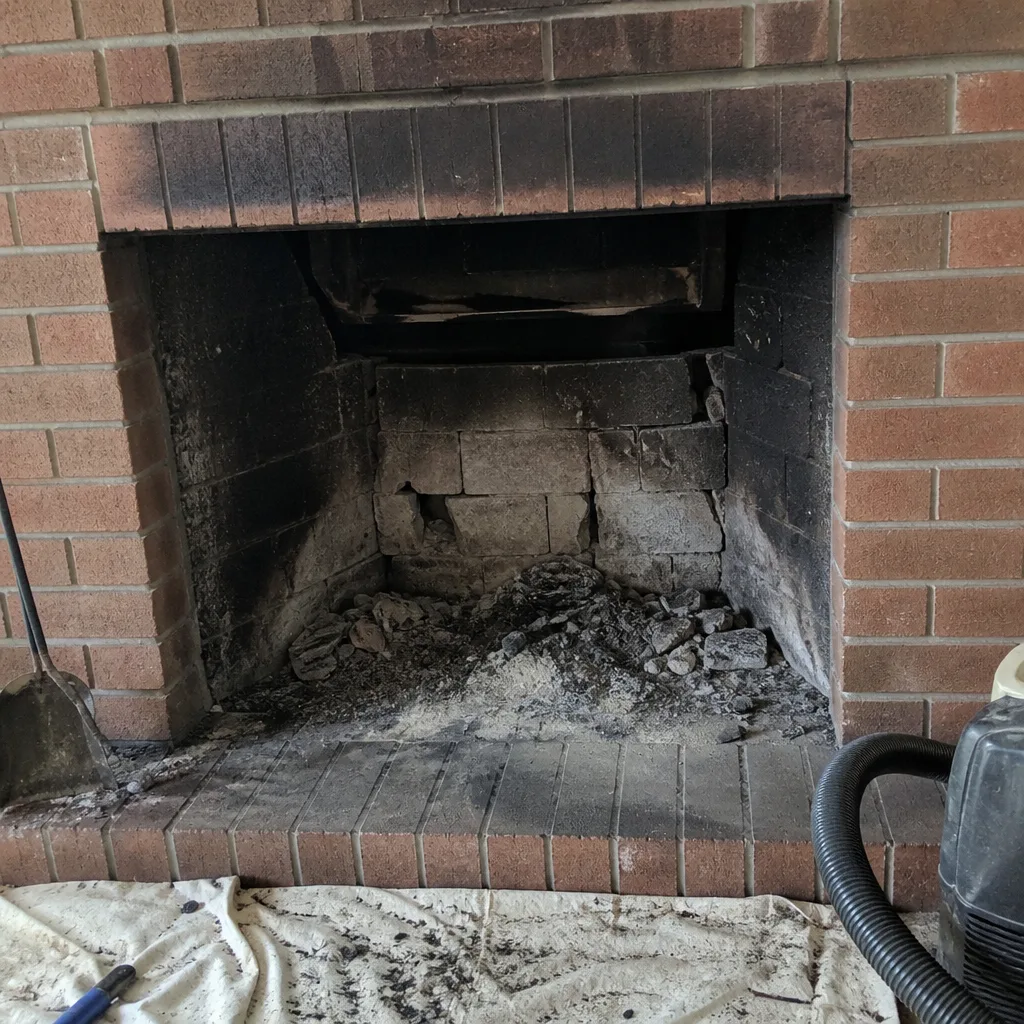
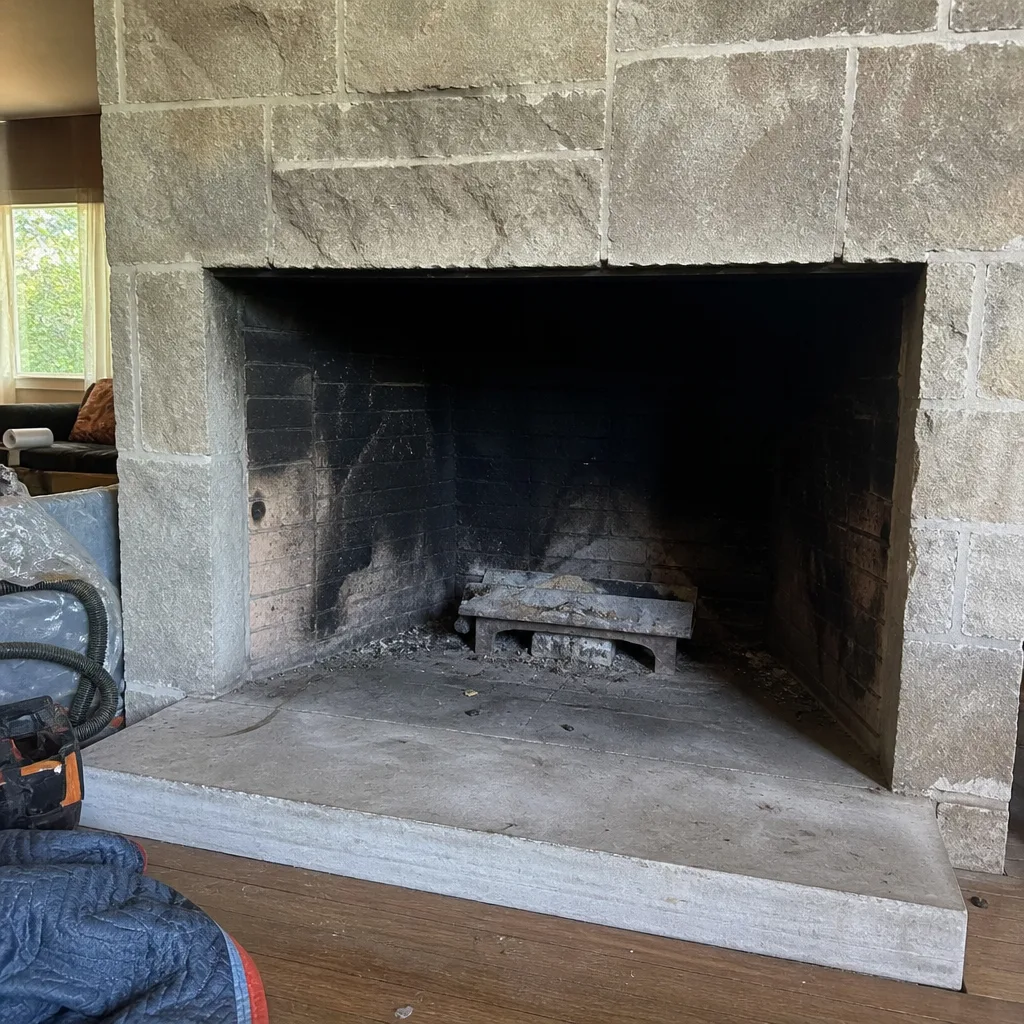 Before
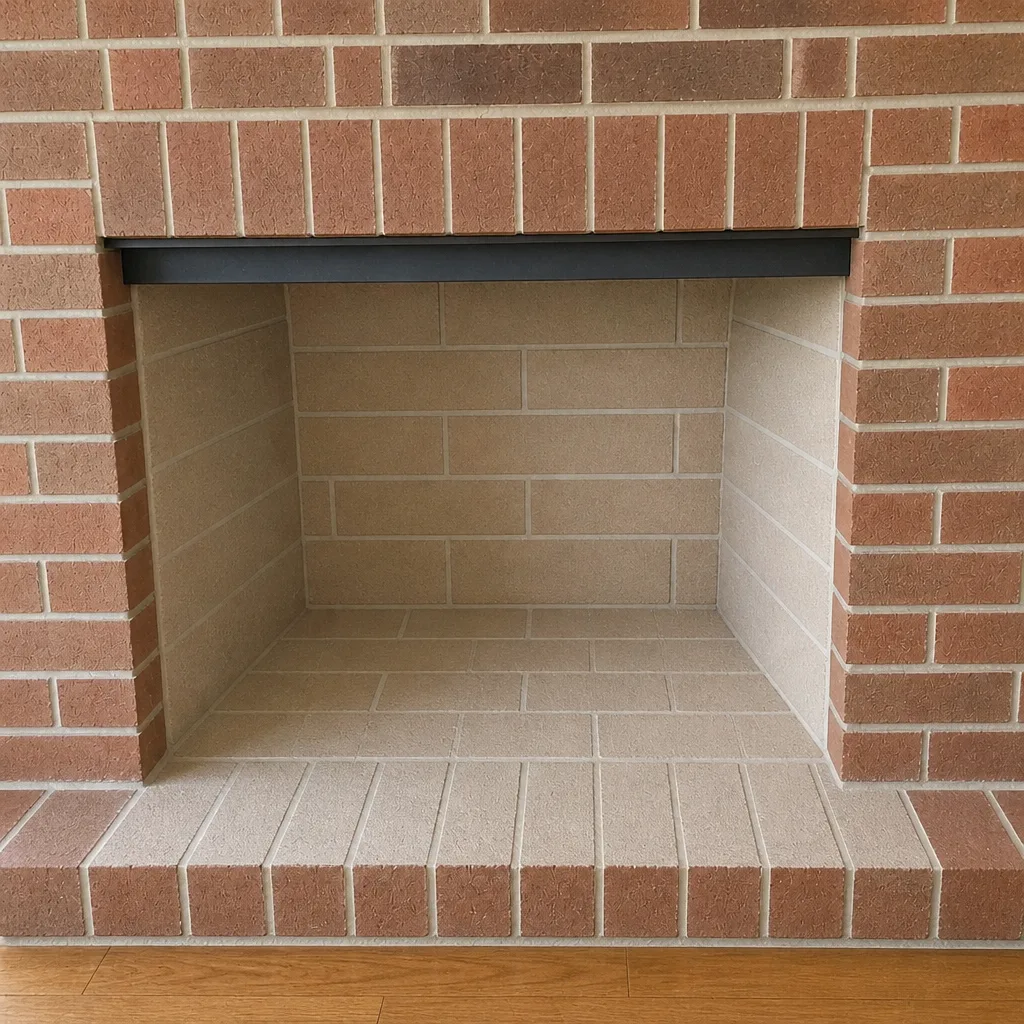
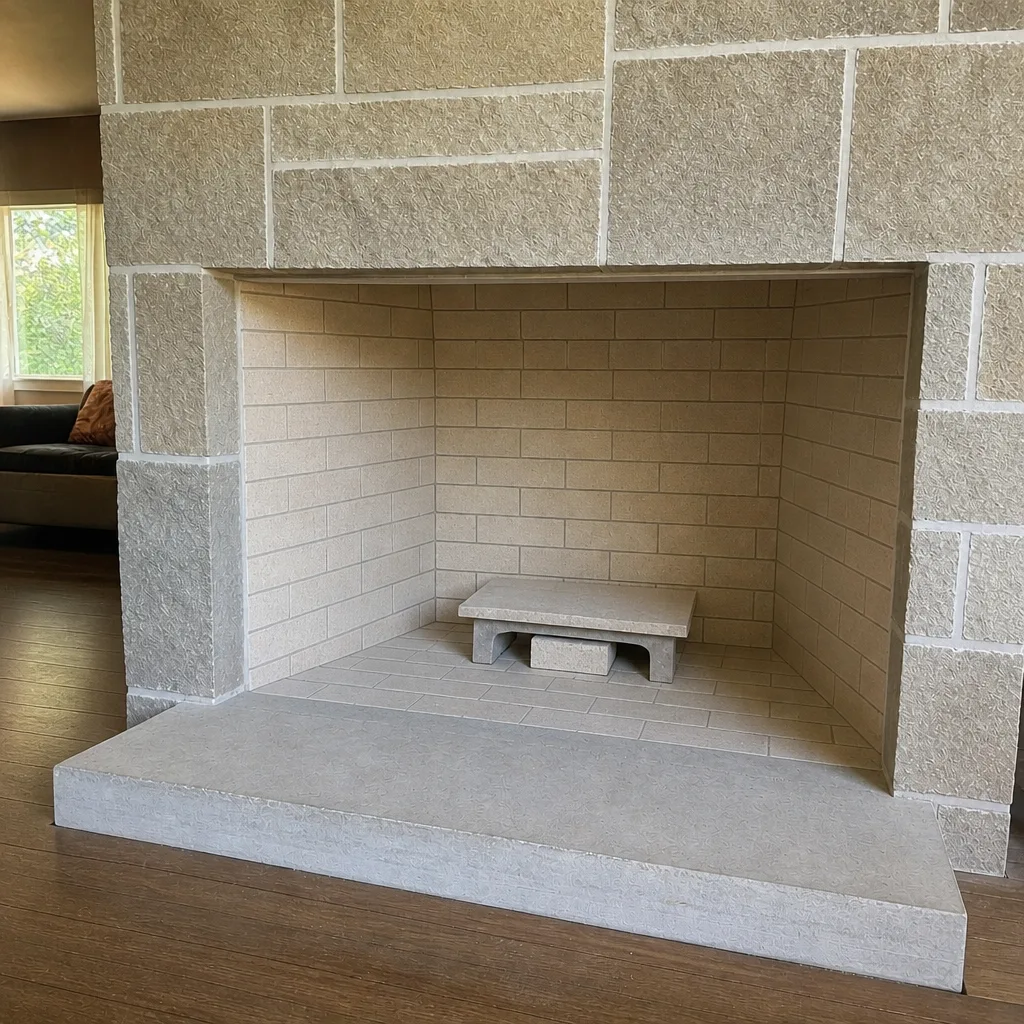 After
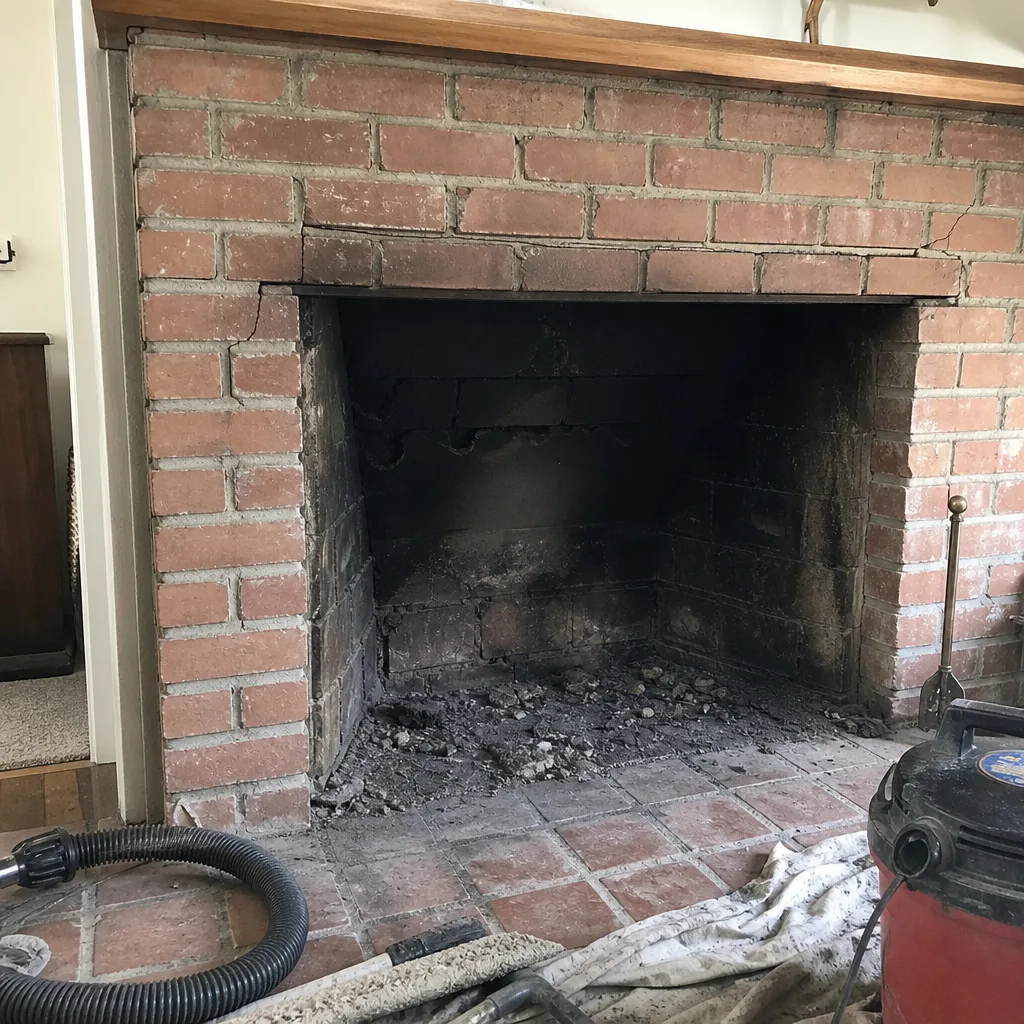 Before
 After
 Before
 After